National Geographic
2019 - 2025 // Assignments Around the World
2024: Cicada Summer
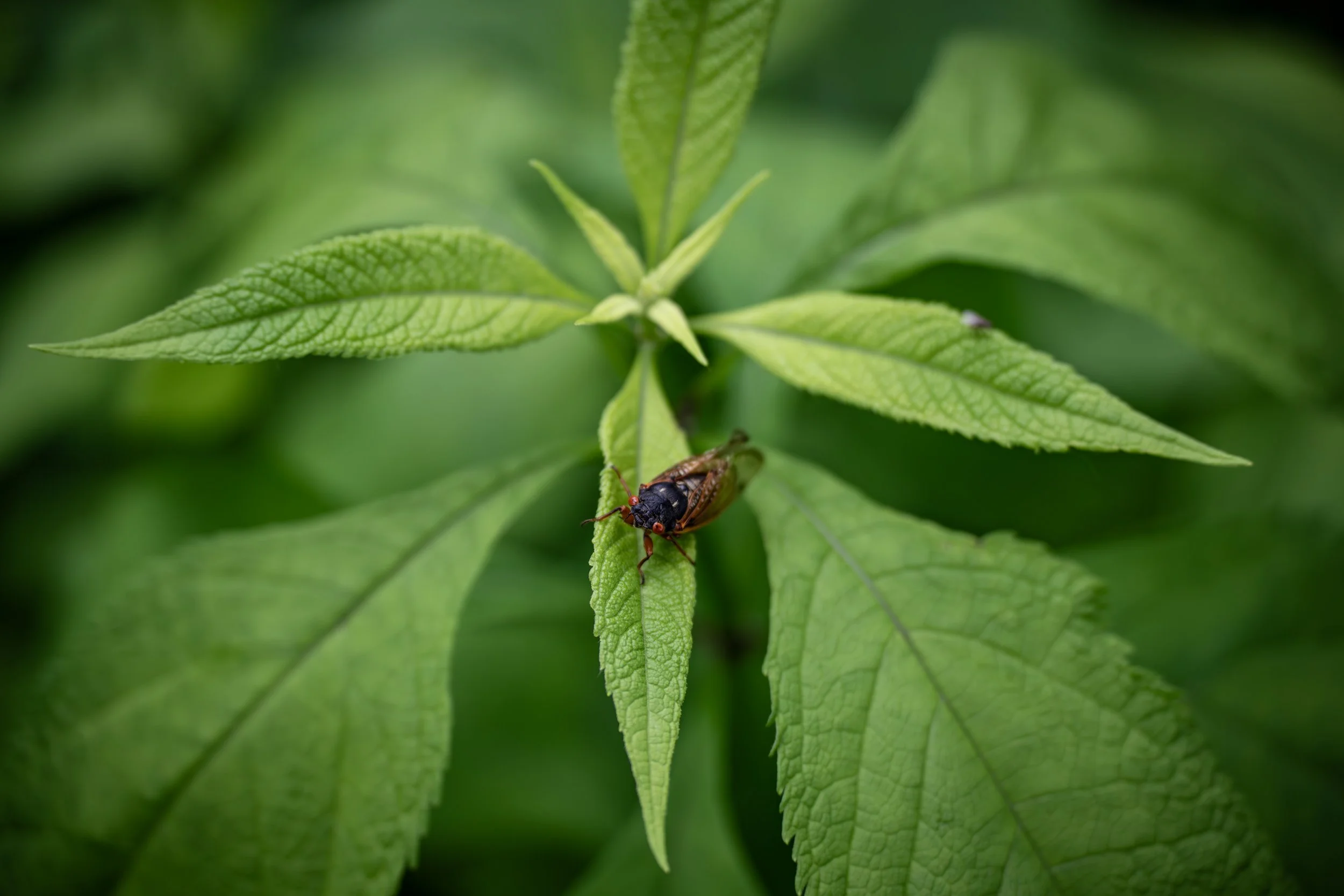
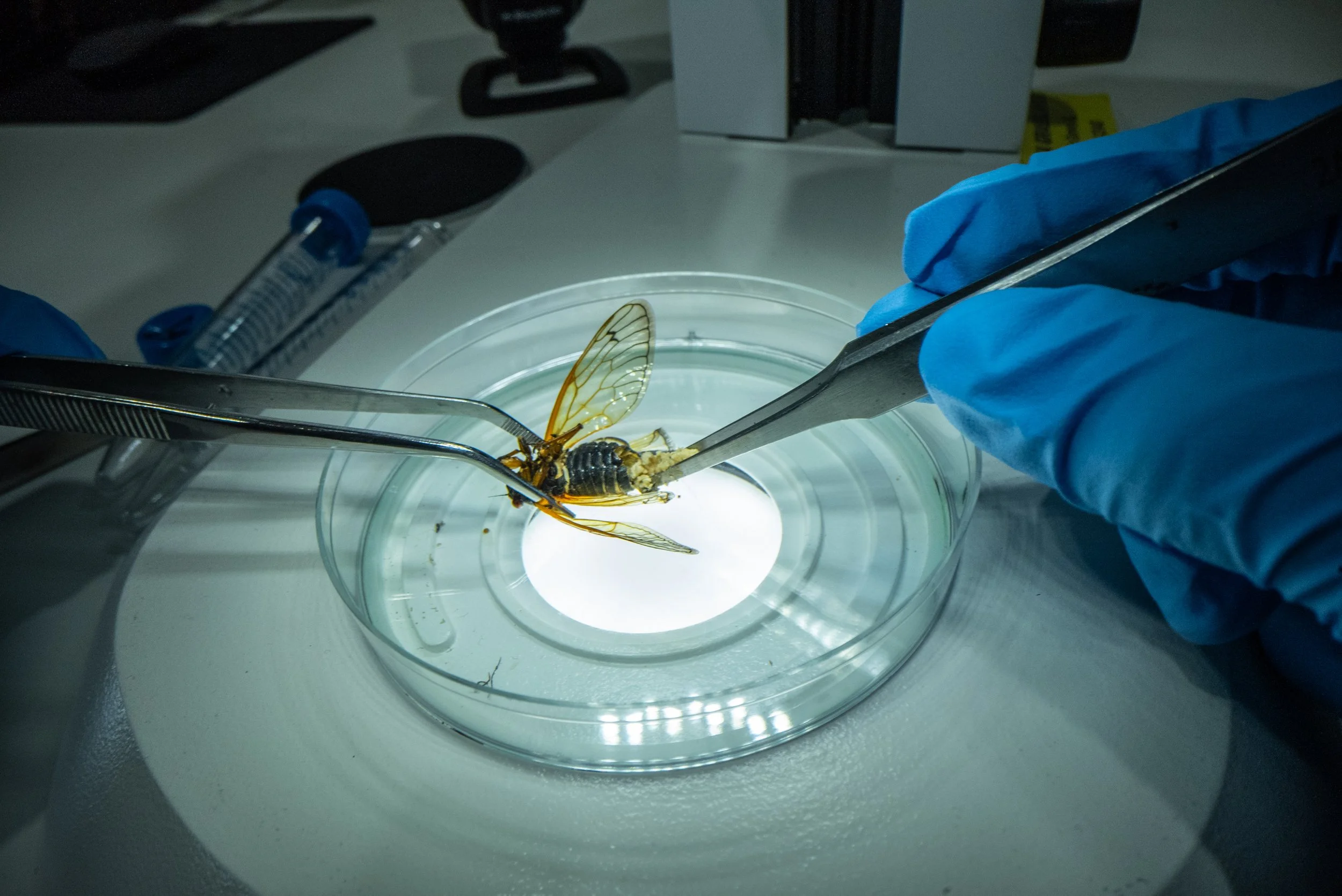
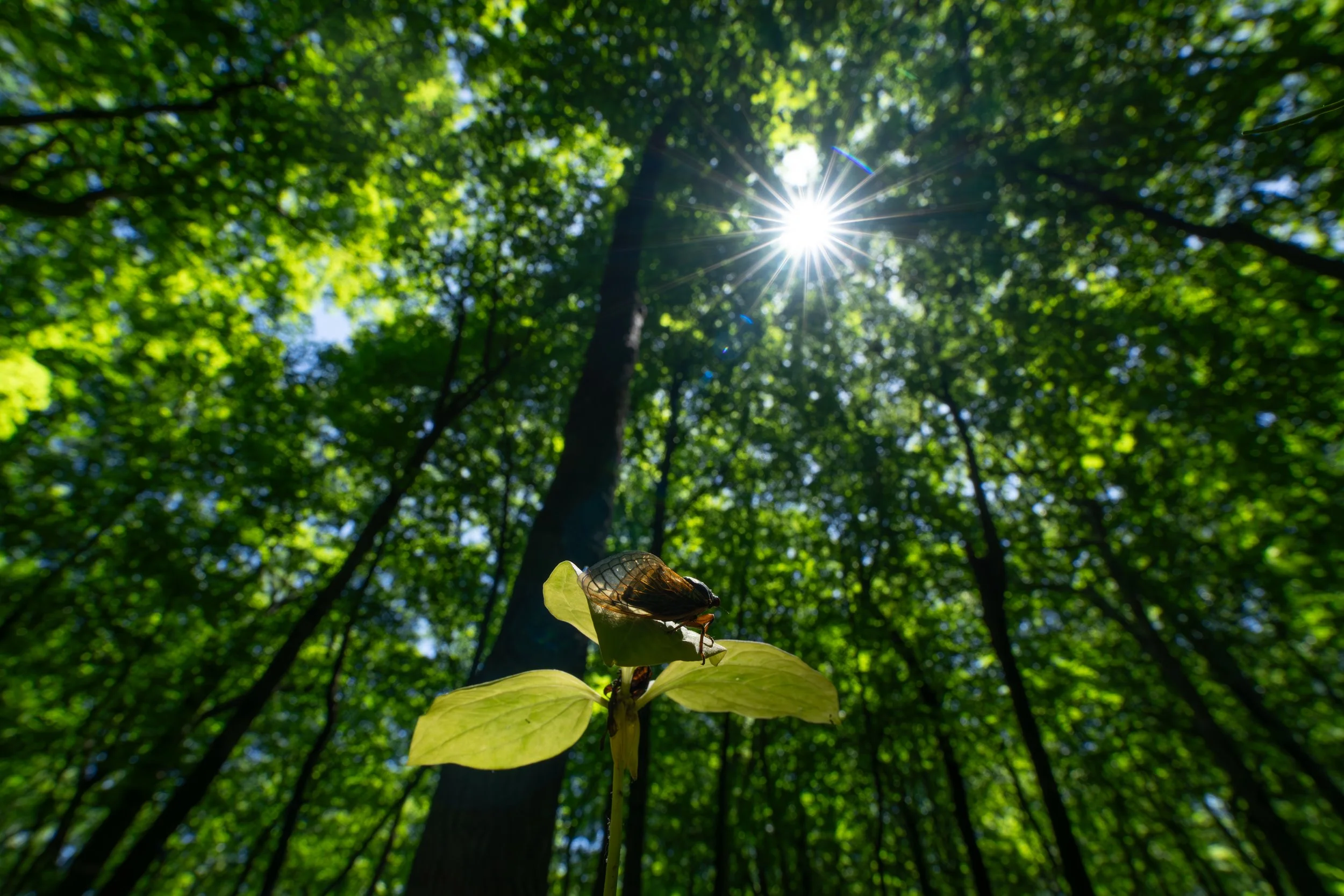
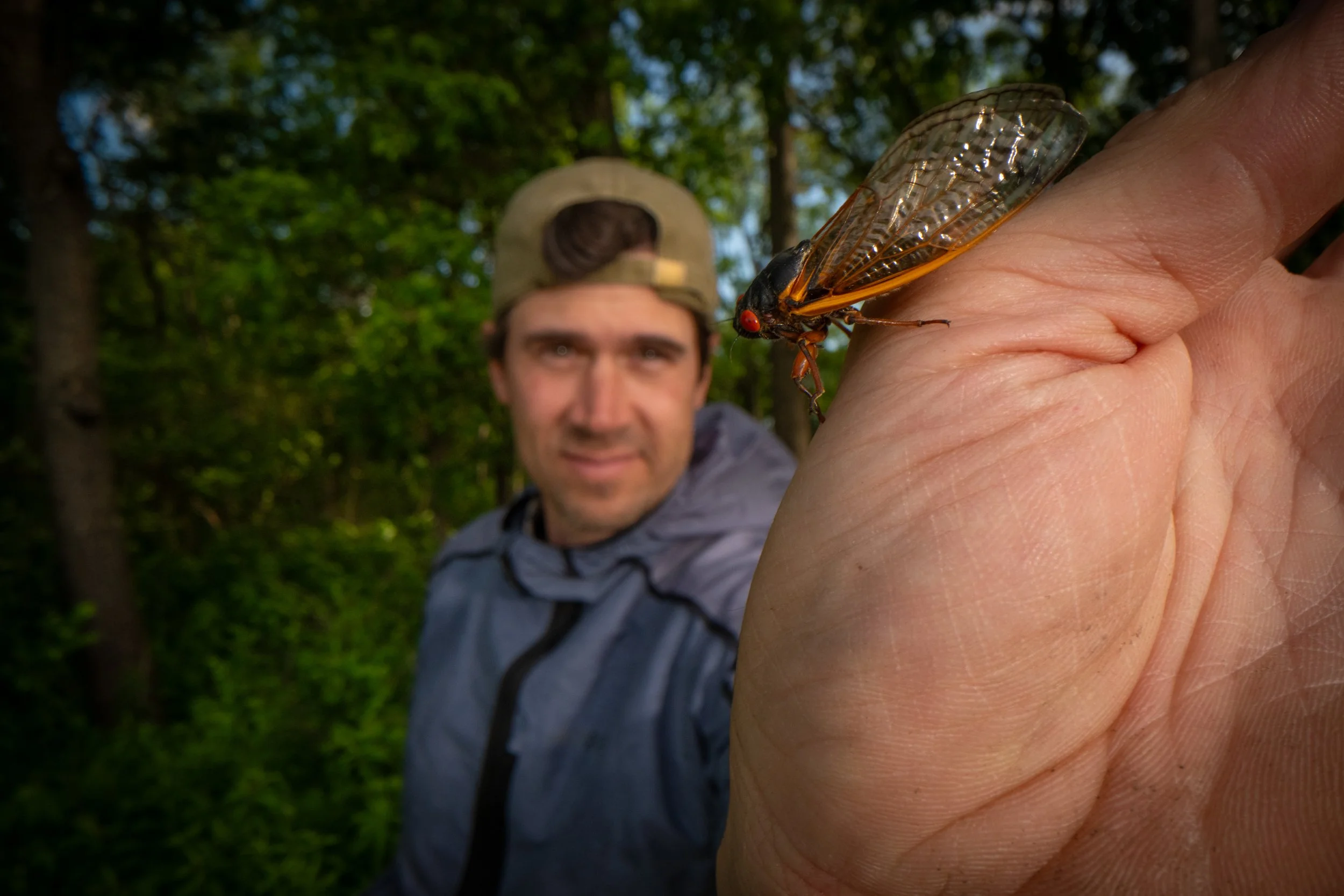
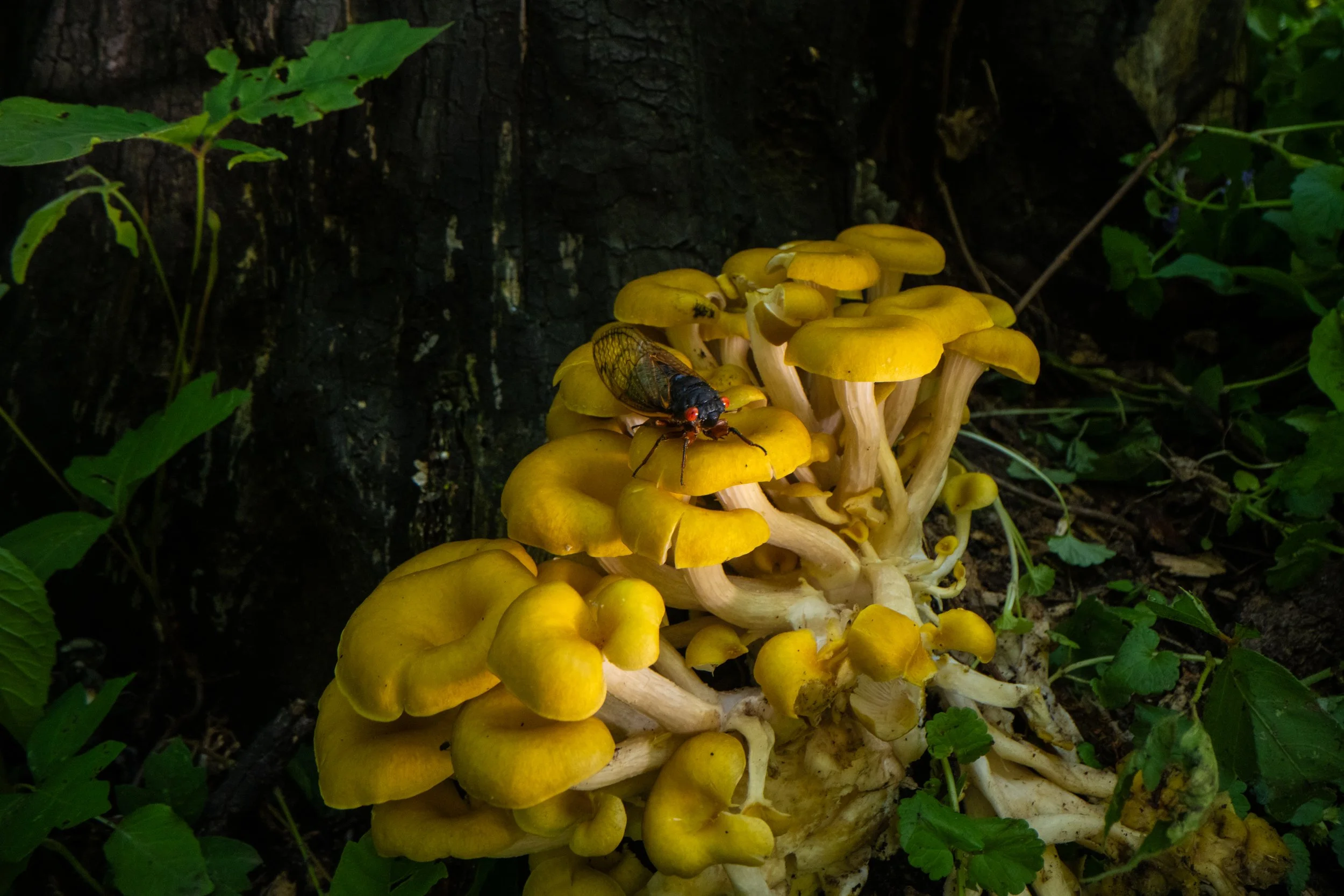
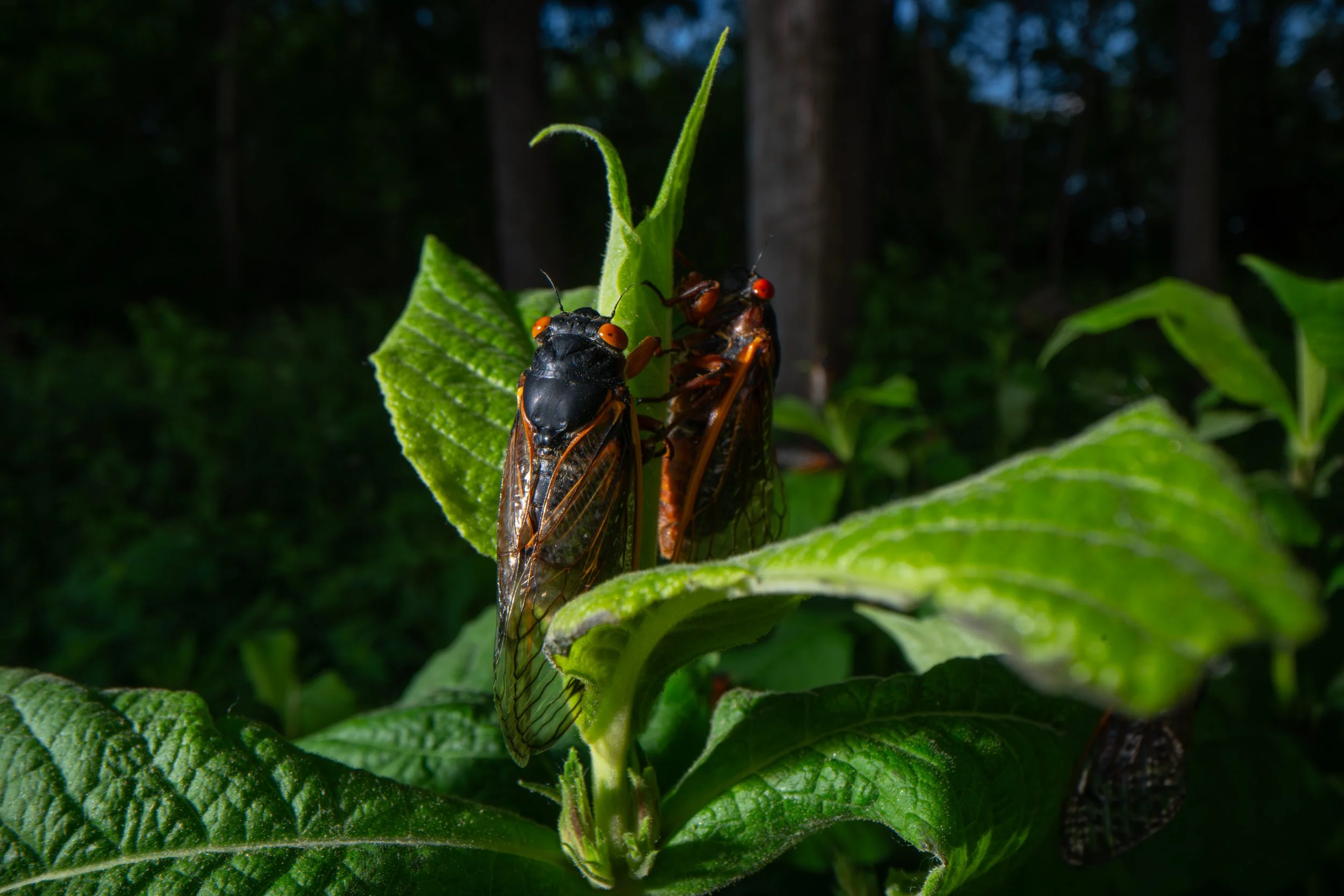
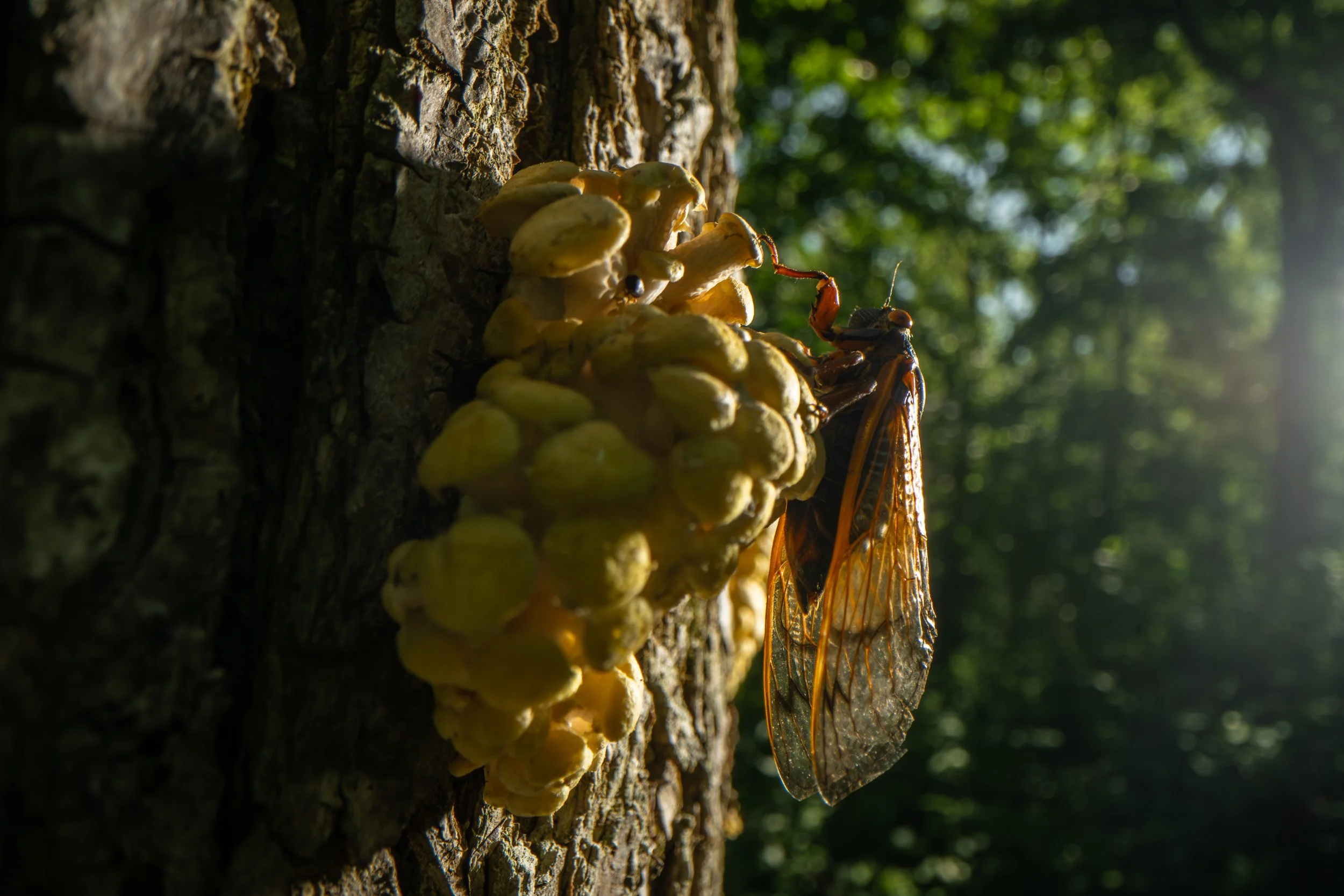
In 2024, National Geographic sent Tommy Joyce and Keith Ladzinski to Illinois for an assignment that comes around once every 221 years, the simultaneous emergence of two massive broods of periodical cicadas. Tommy moved through forests alive with billions of insects, producing a video that captured the strange spectacle of their brief but explosive return above ground. It was the kind of assignment that defies easy description, where science, sound, and natural wonder collide into something you just have to see to believe.









2023: Zion National Park
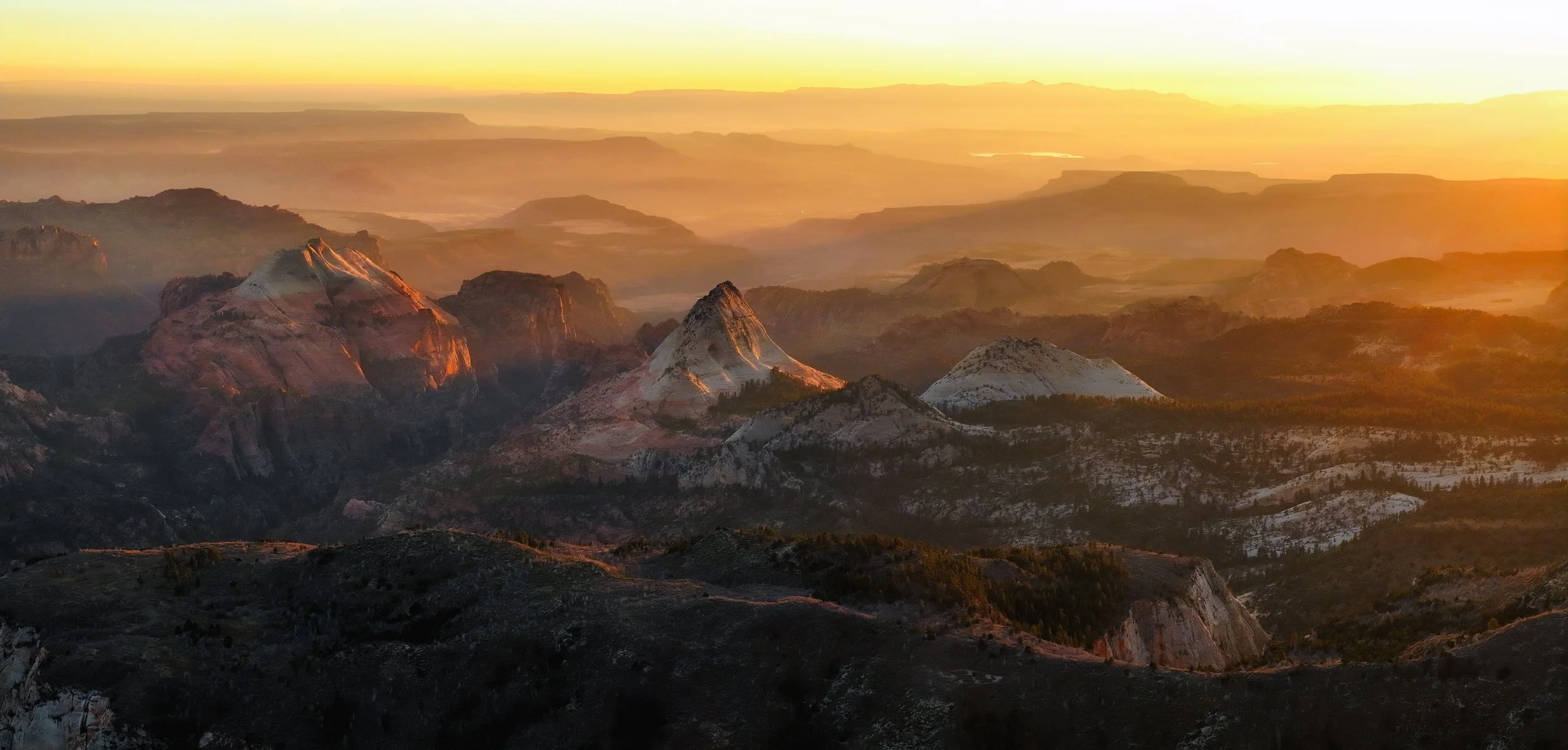
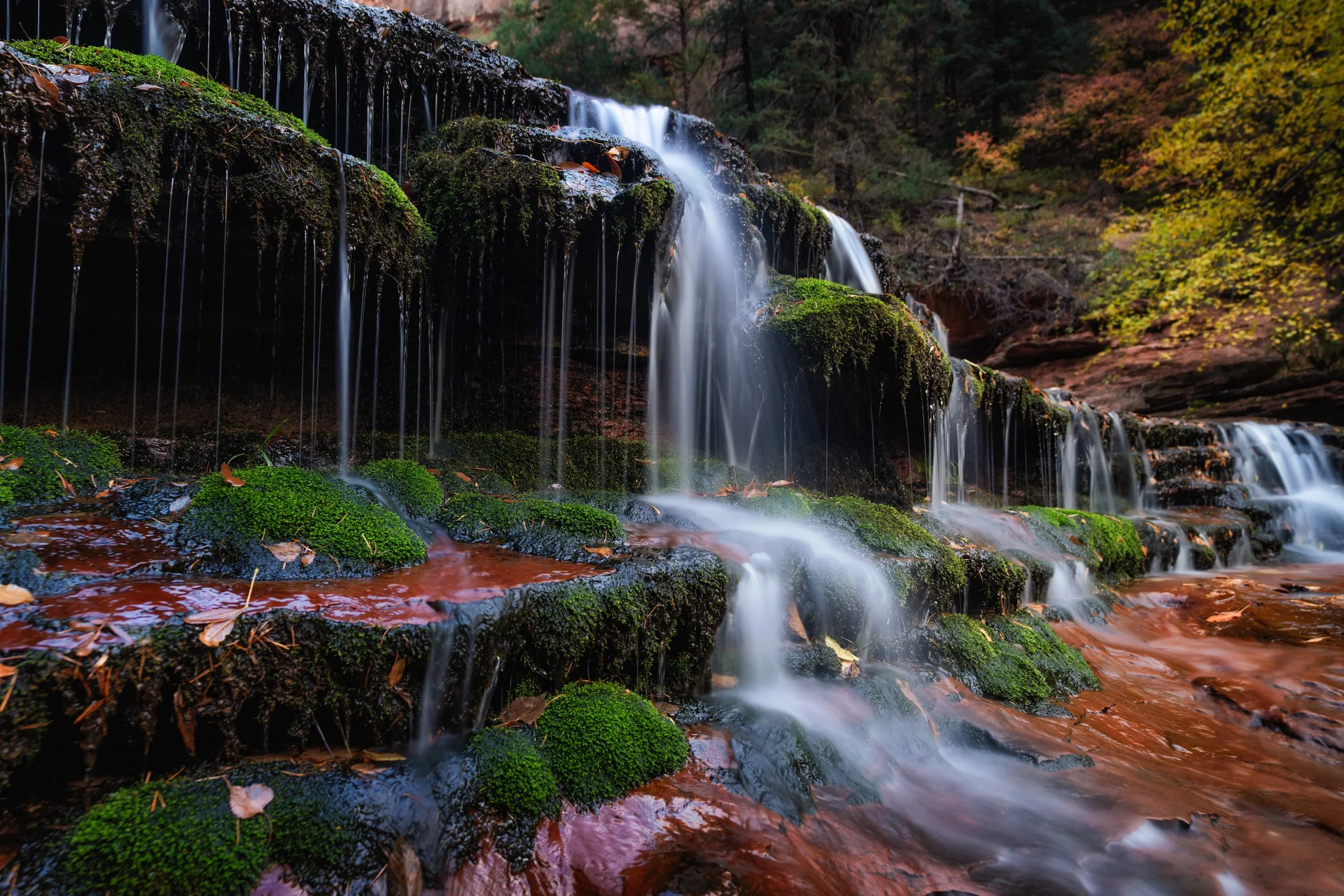
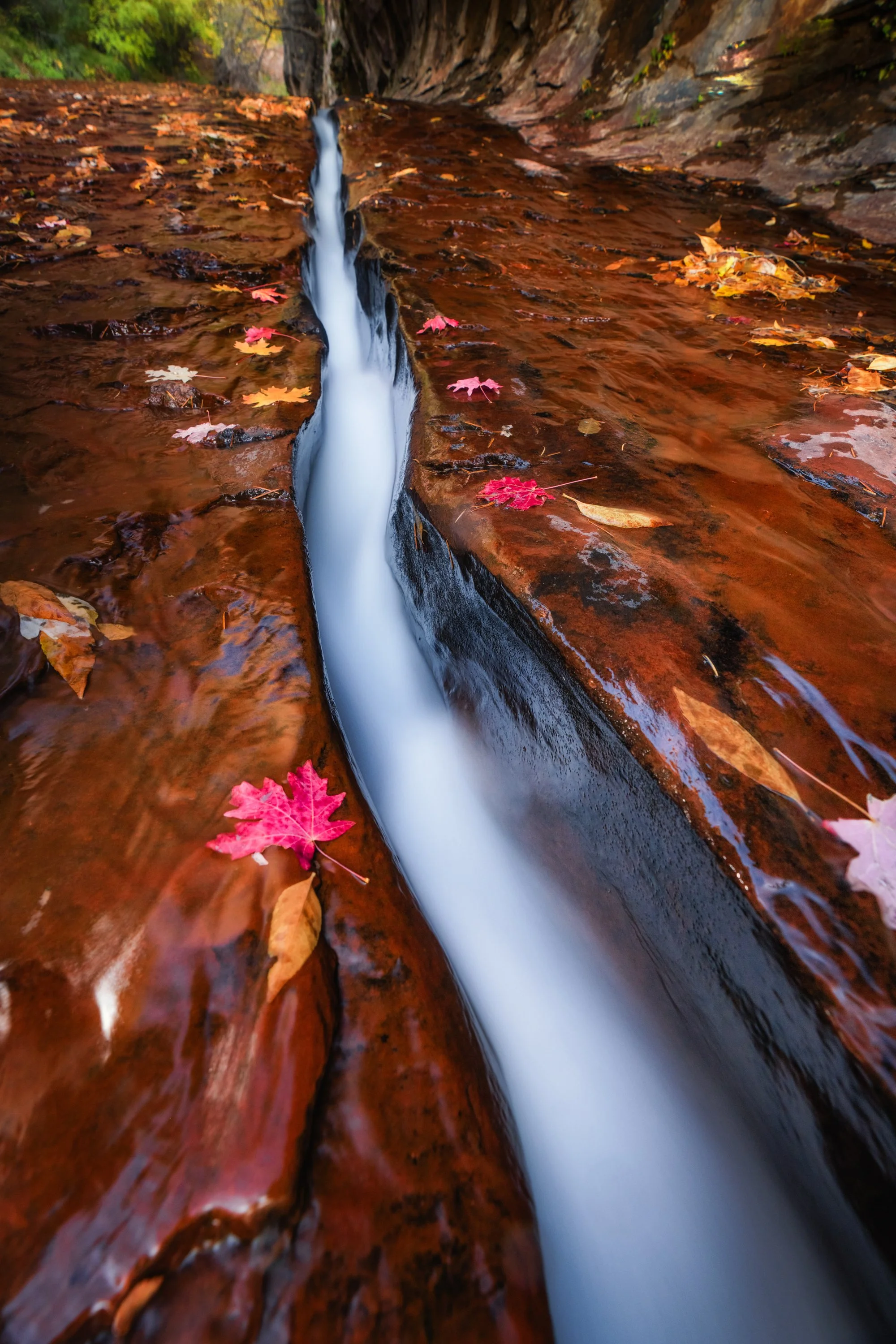
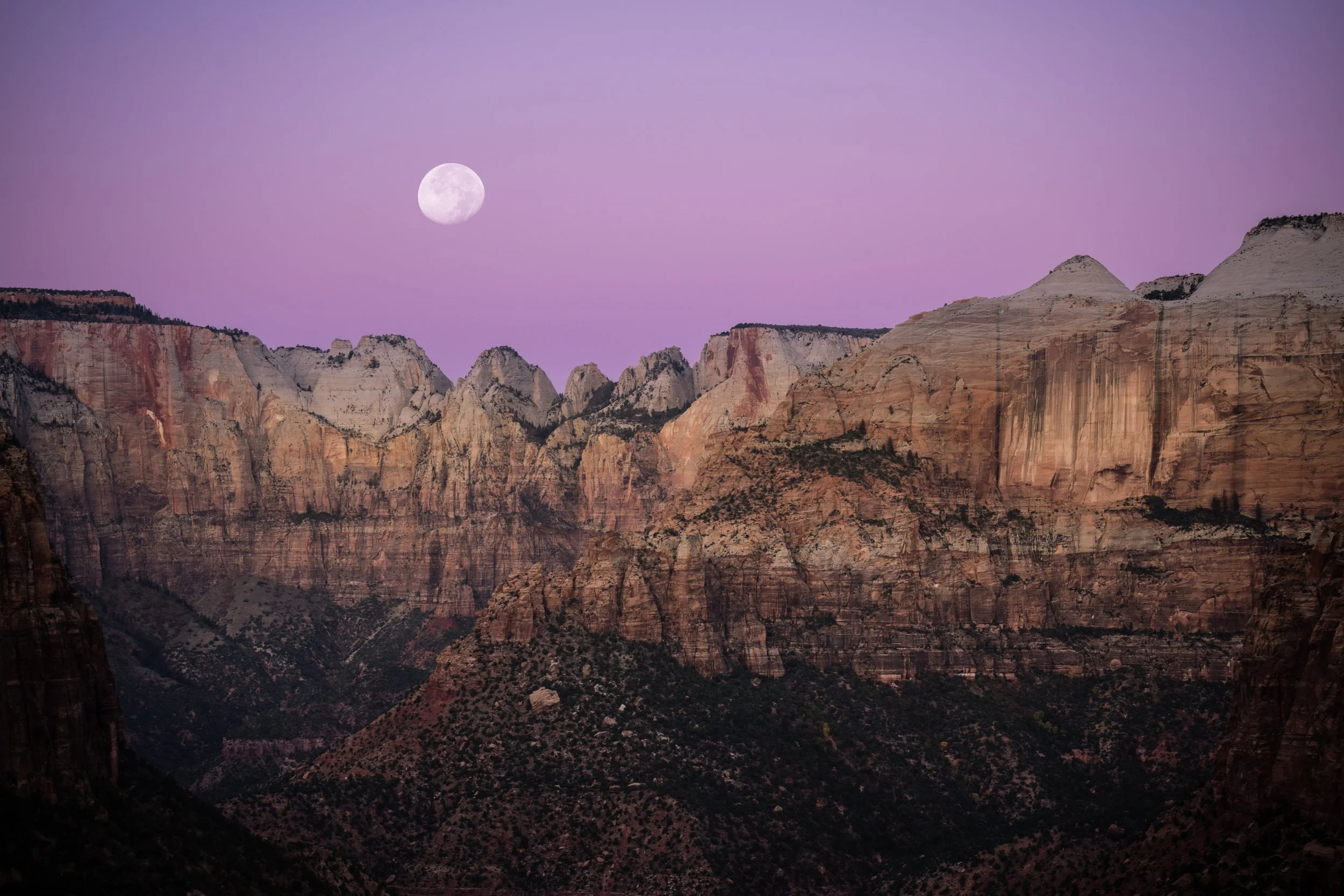
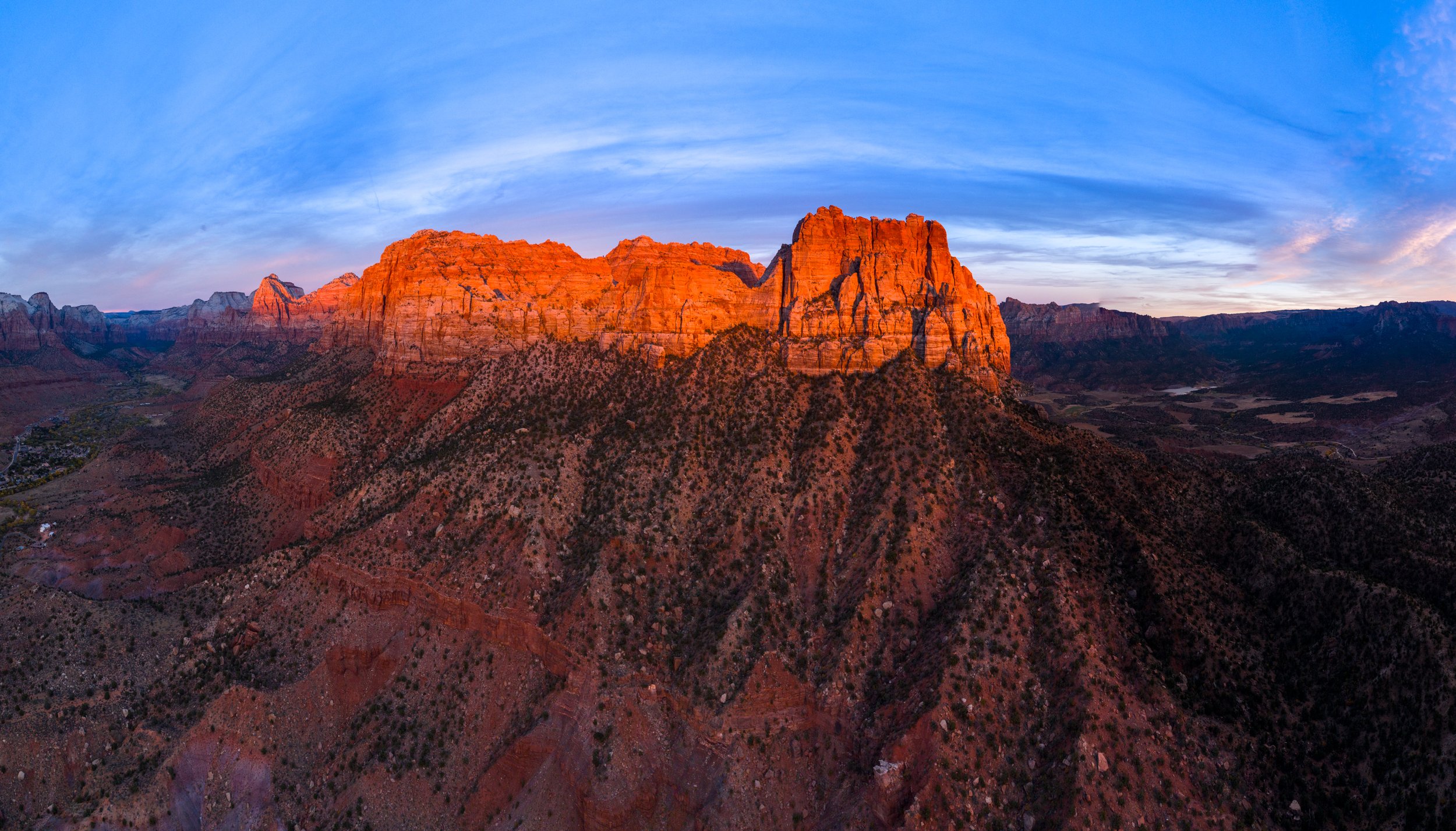
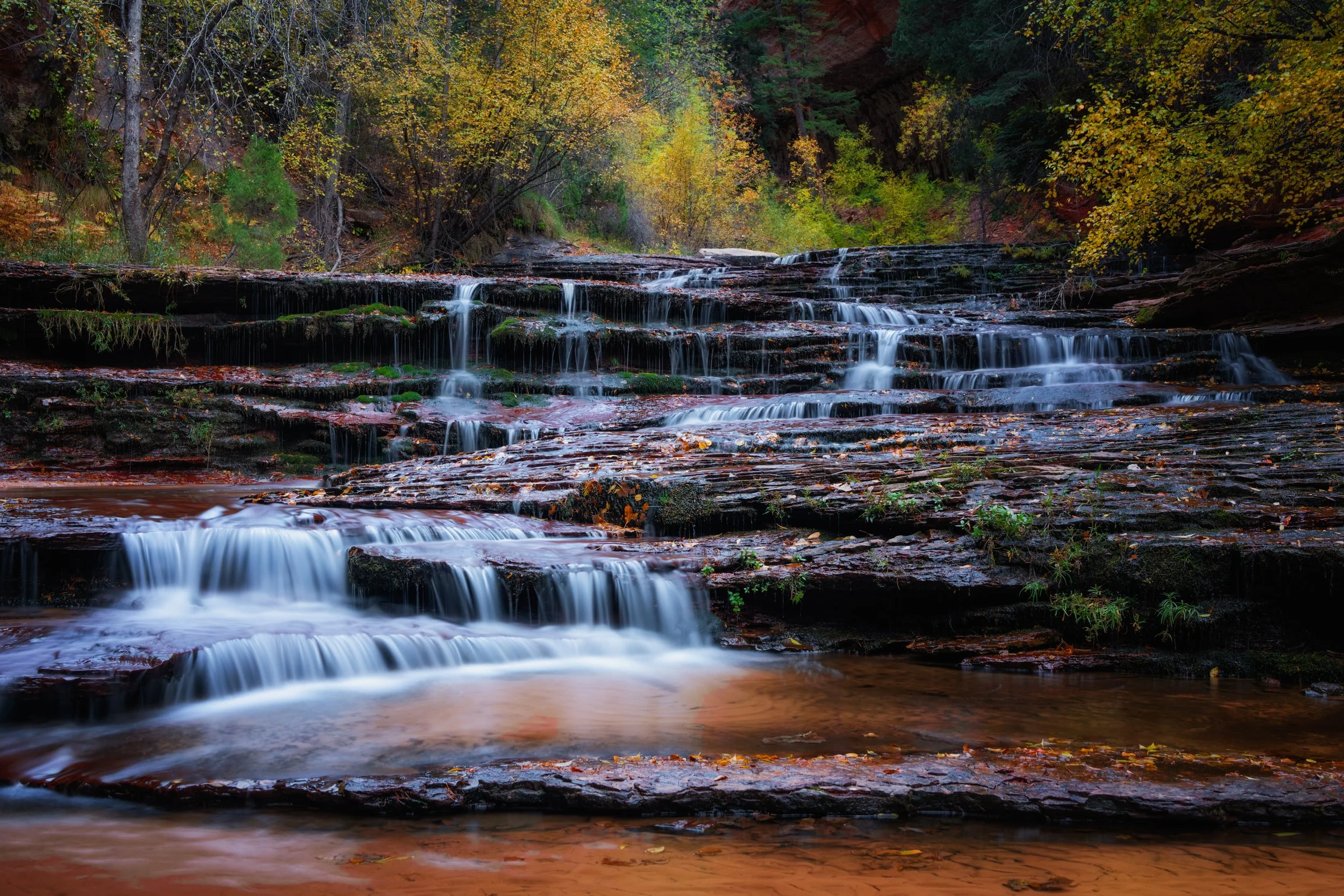
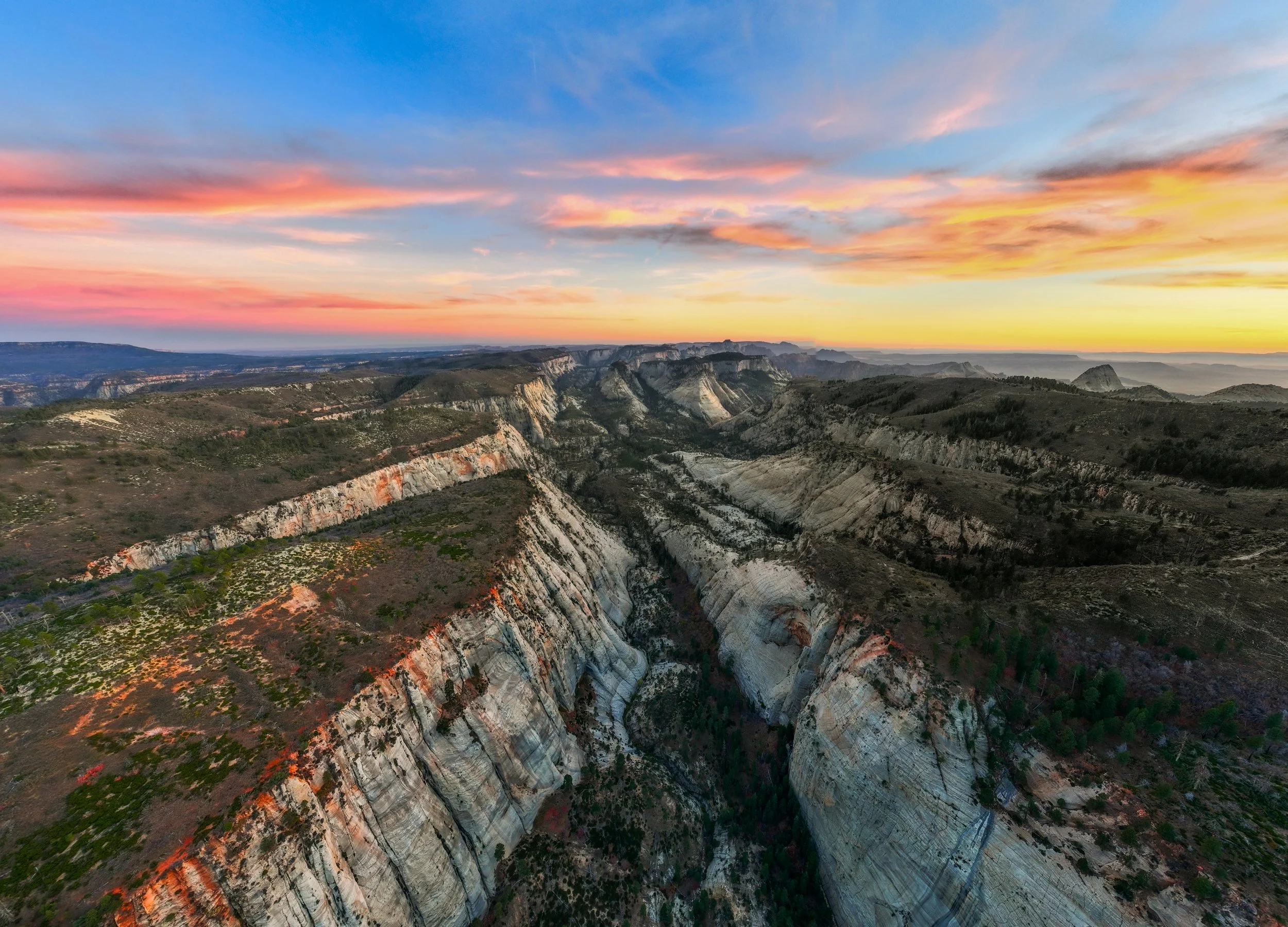
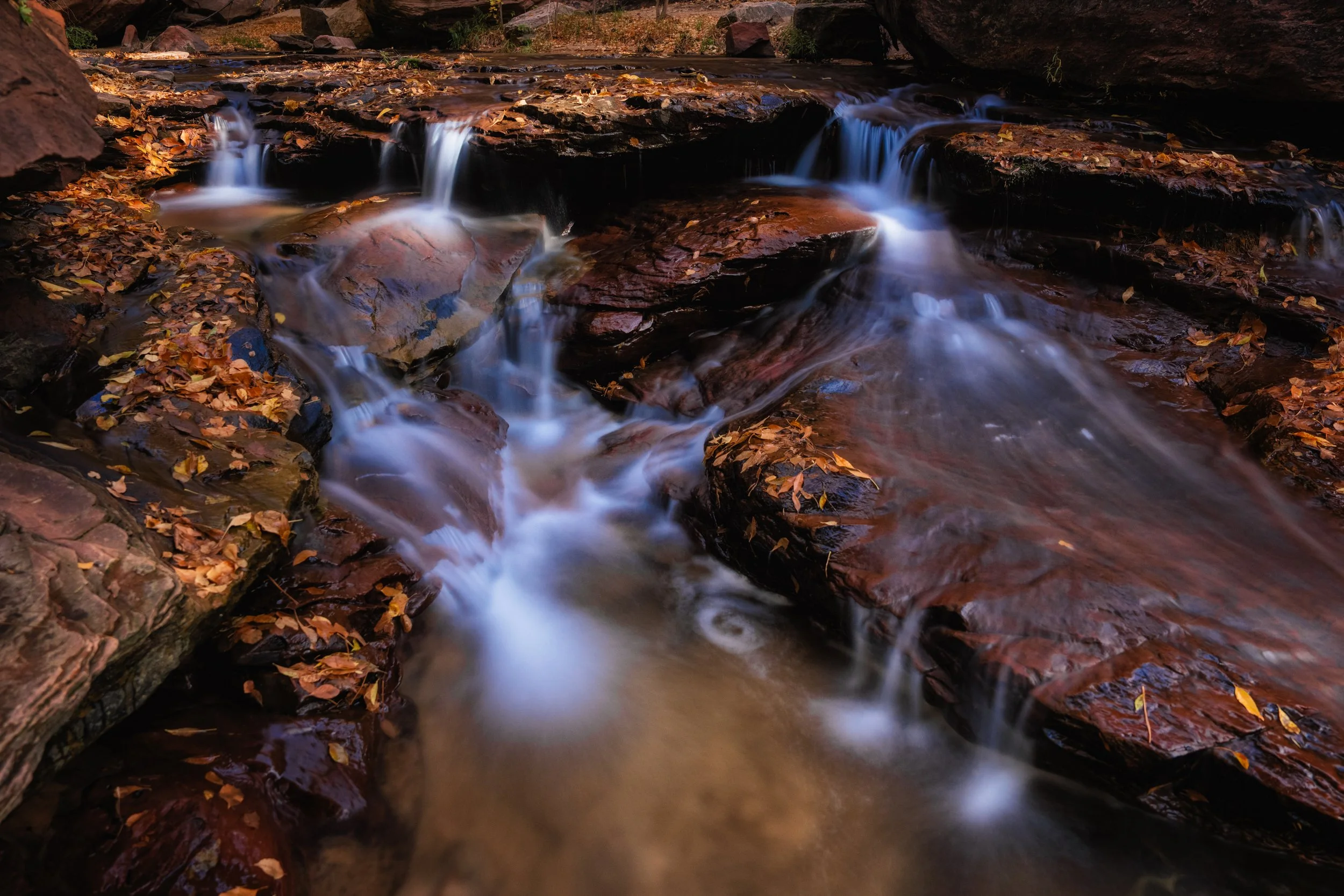
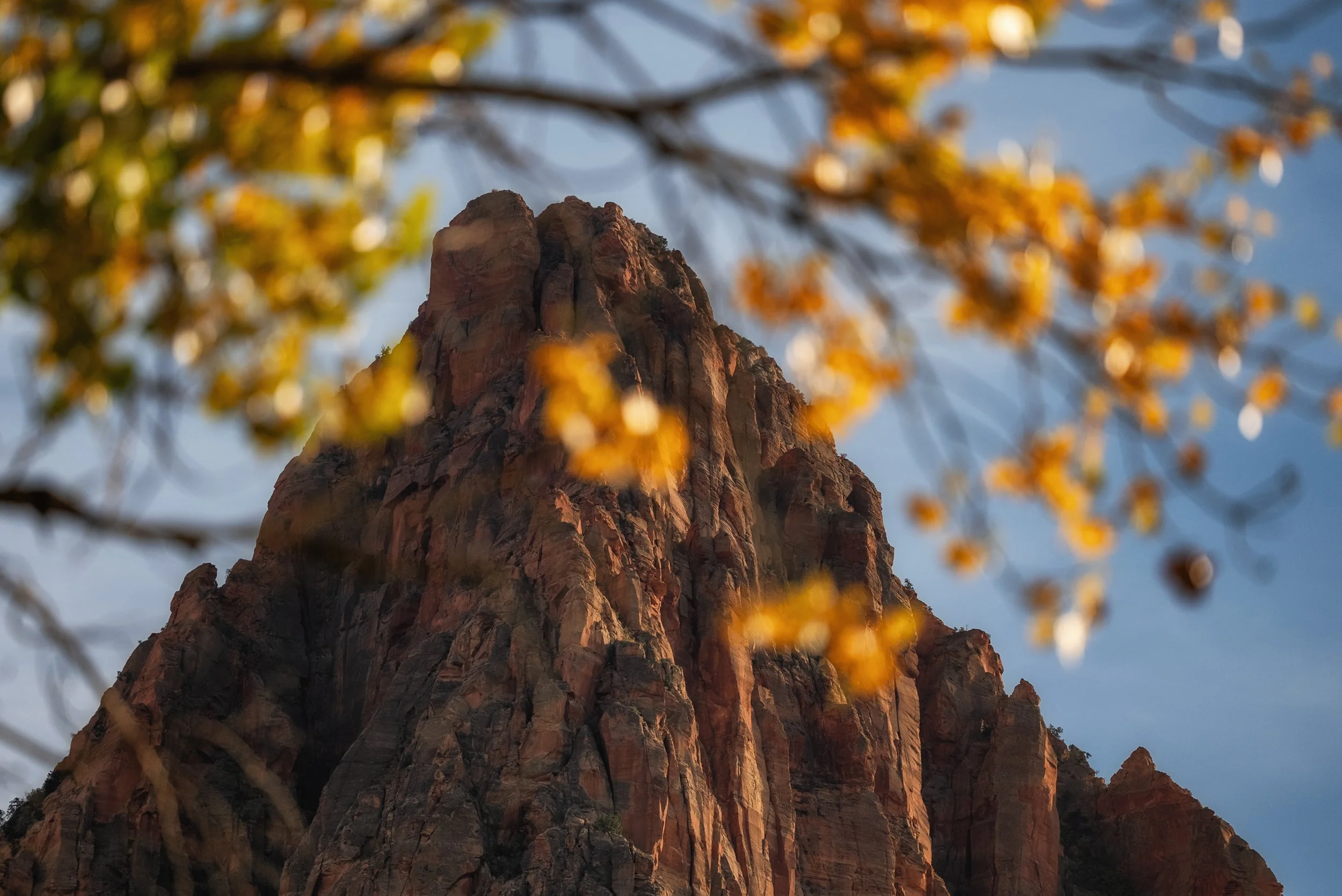
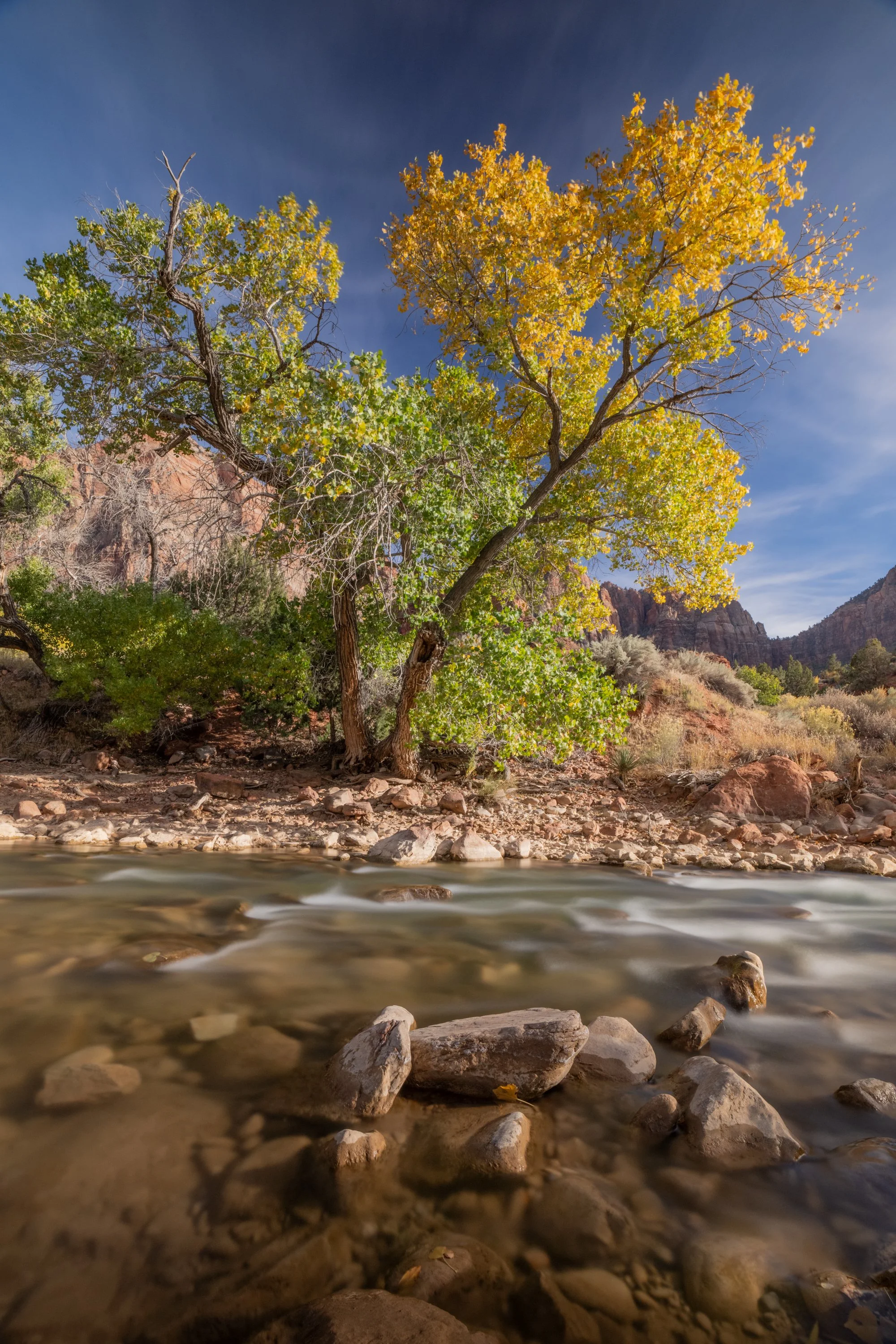
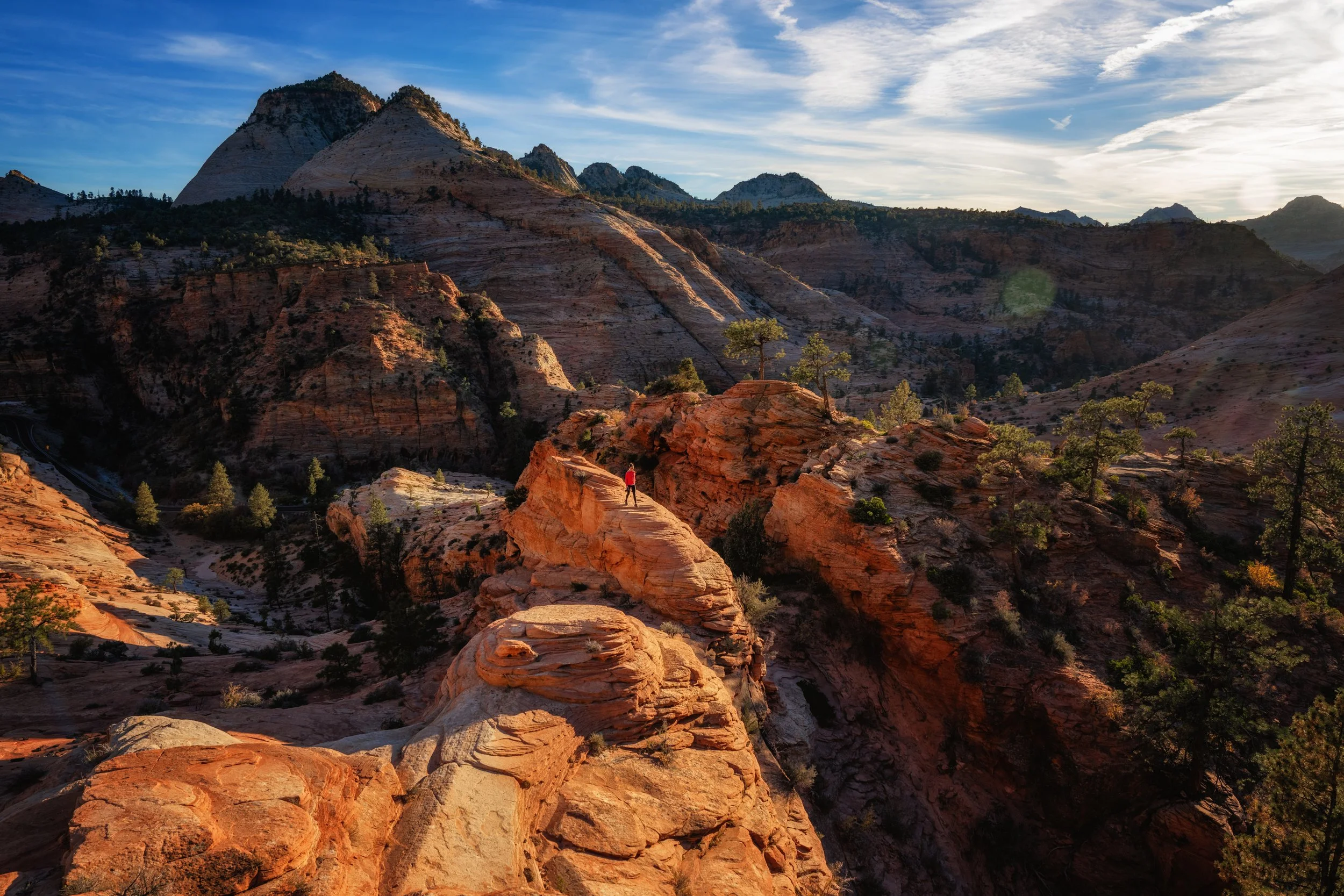
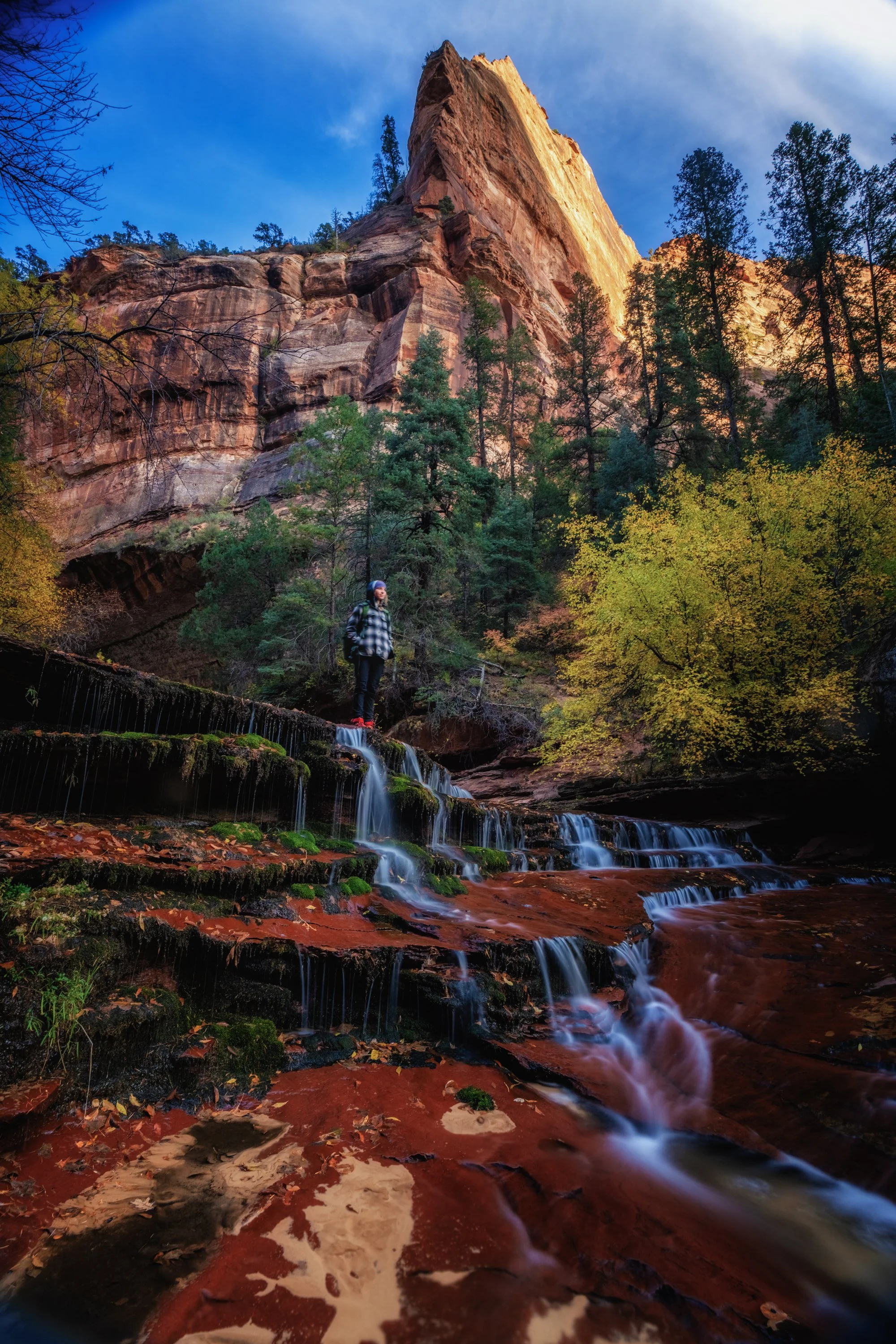
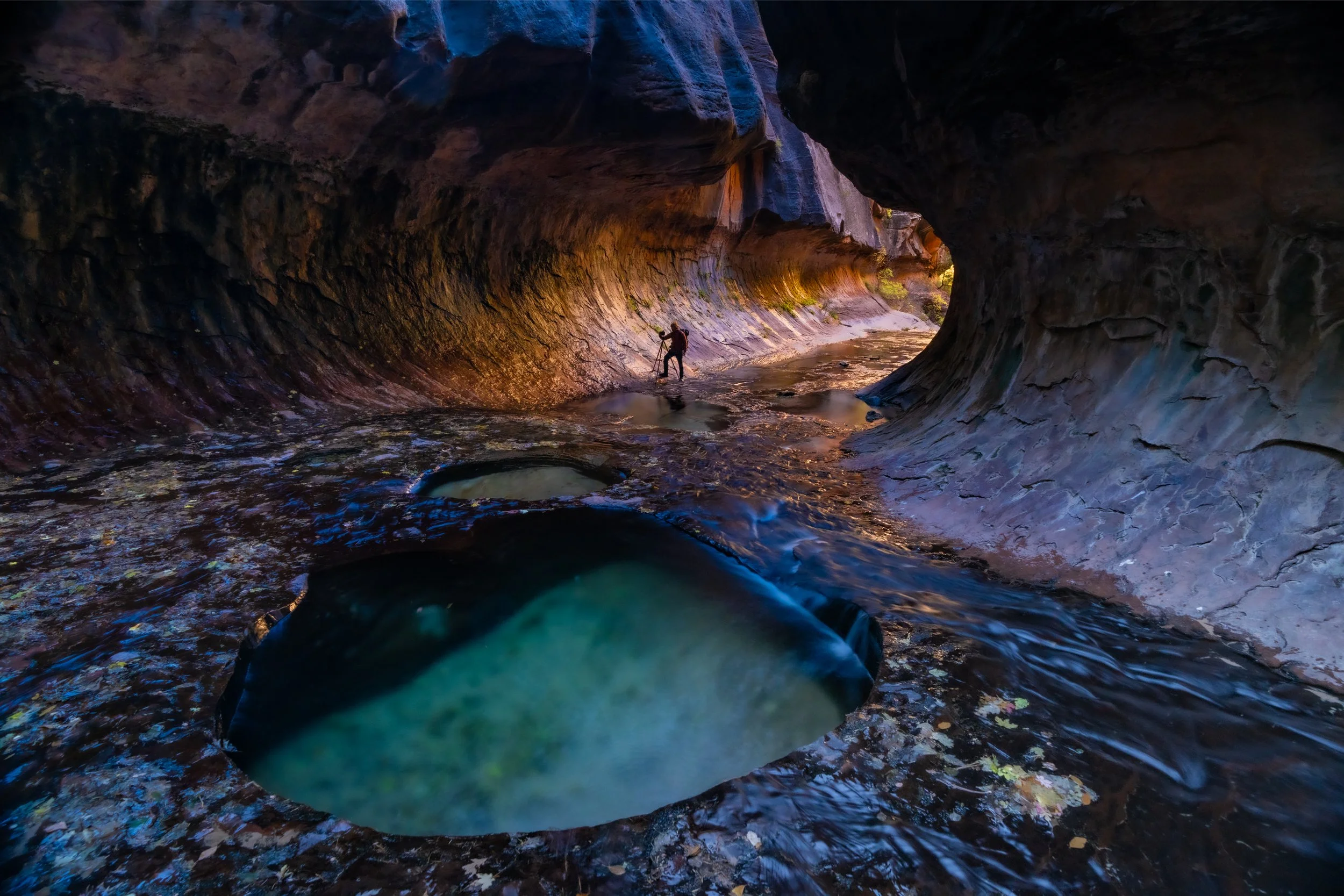
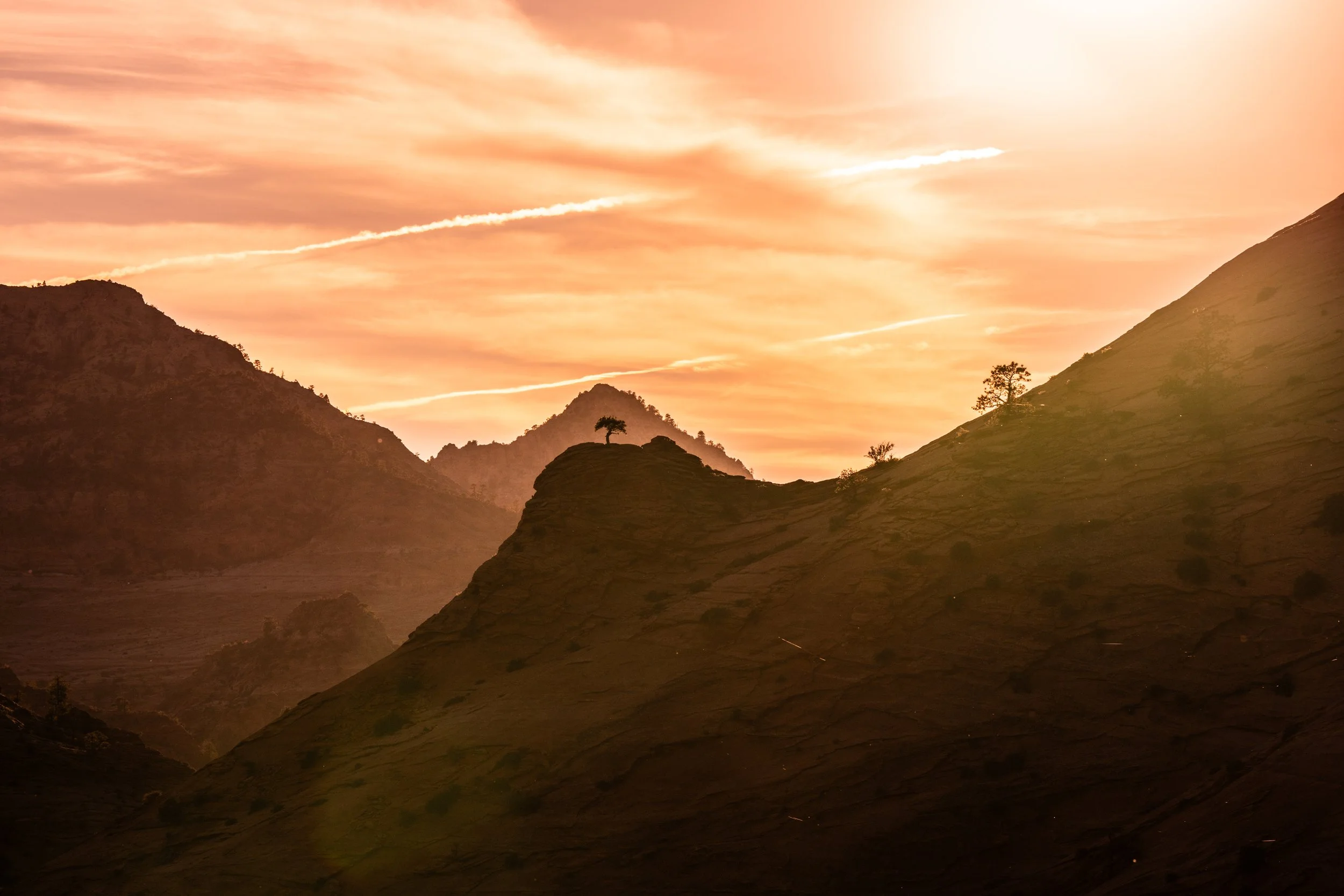
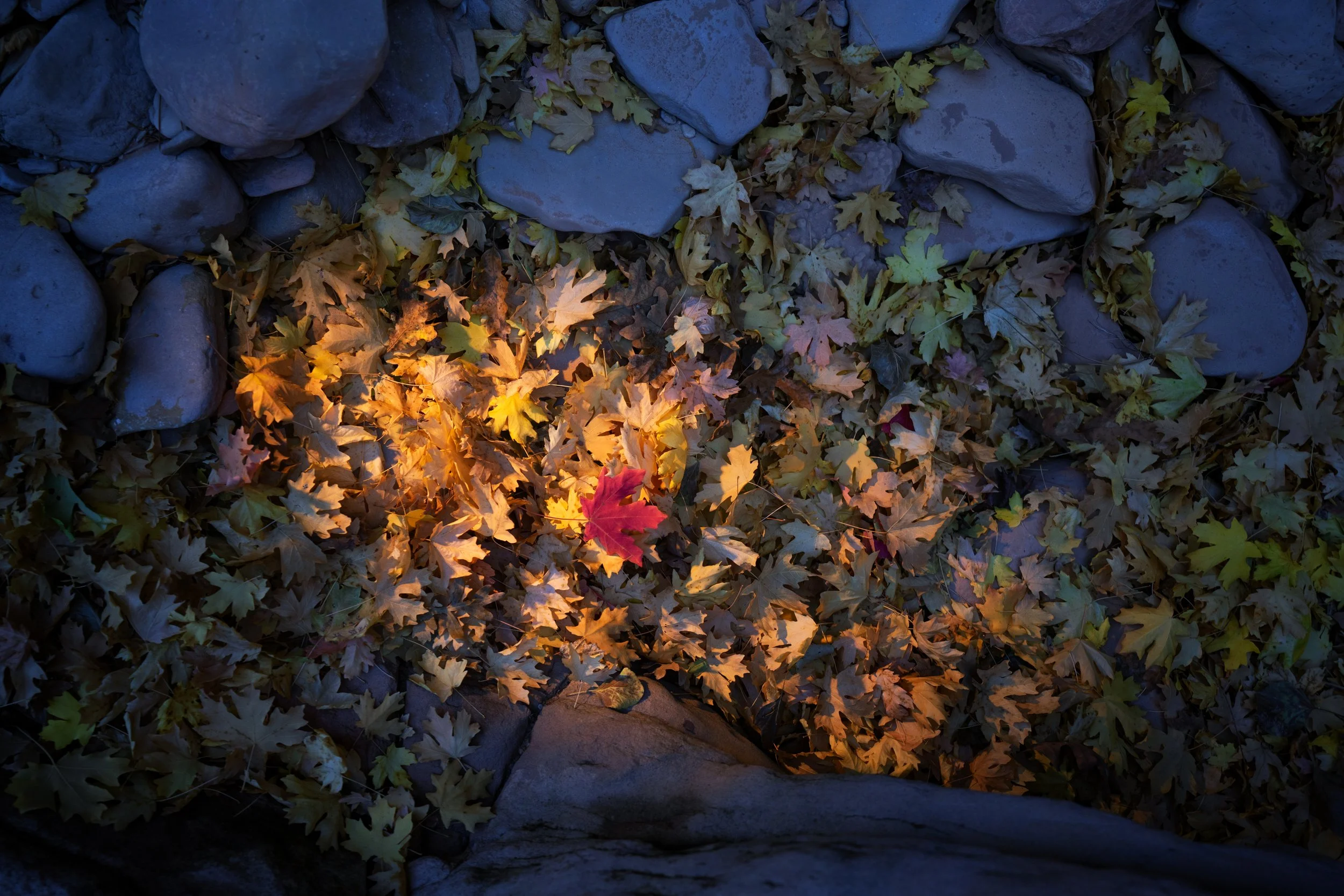
For a National Geographic book celebrating America's national parks, Tommy traveled to Zion National Park to support Keith Ladzinski in documenting the dramatic landscapes that define the American Southwest. Working in the canyon's shifting light, he moved through towering sandstone cliffs and narrow slot canyons, photographing the quiet moments that reveal the true scale and beauty of this iconic park. The project highlights Zion as part of a broader effort to showcase the power and diversity of protected wild places across the United States.
2022: Yellowstone Floods
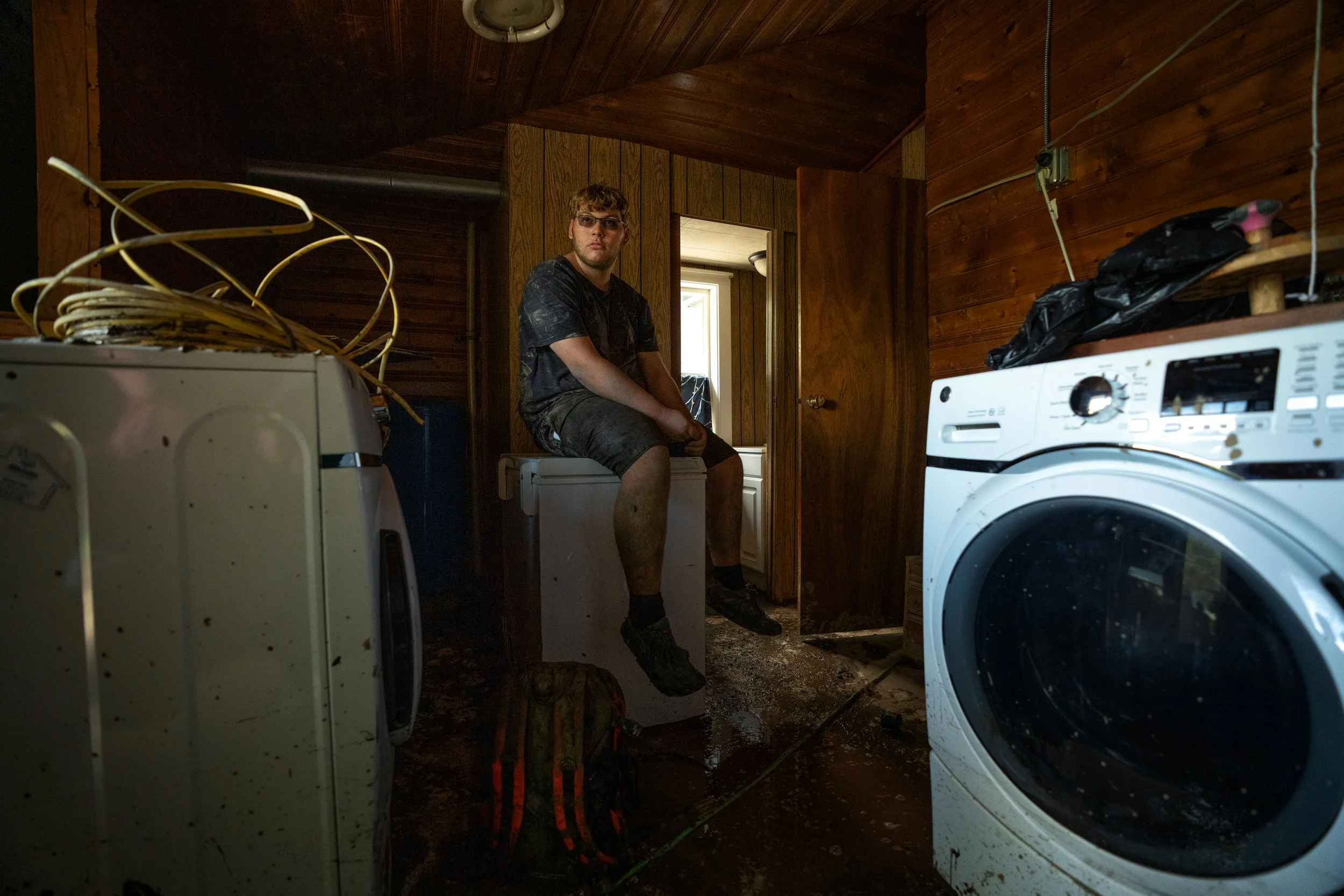
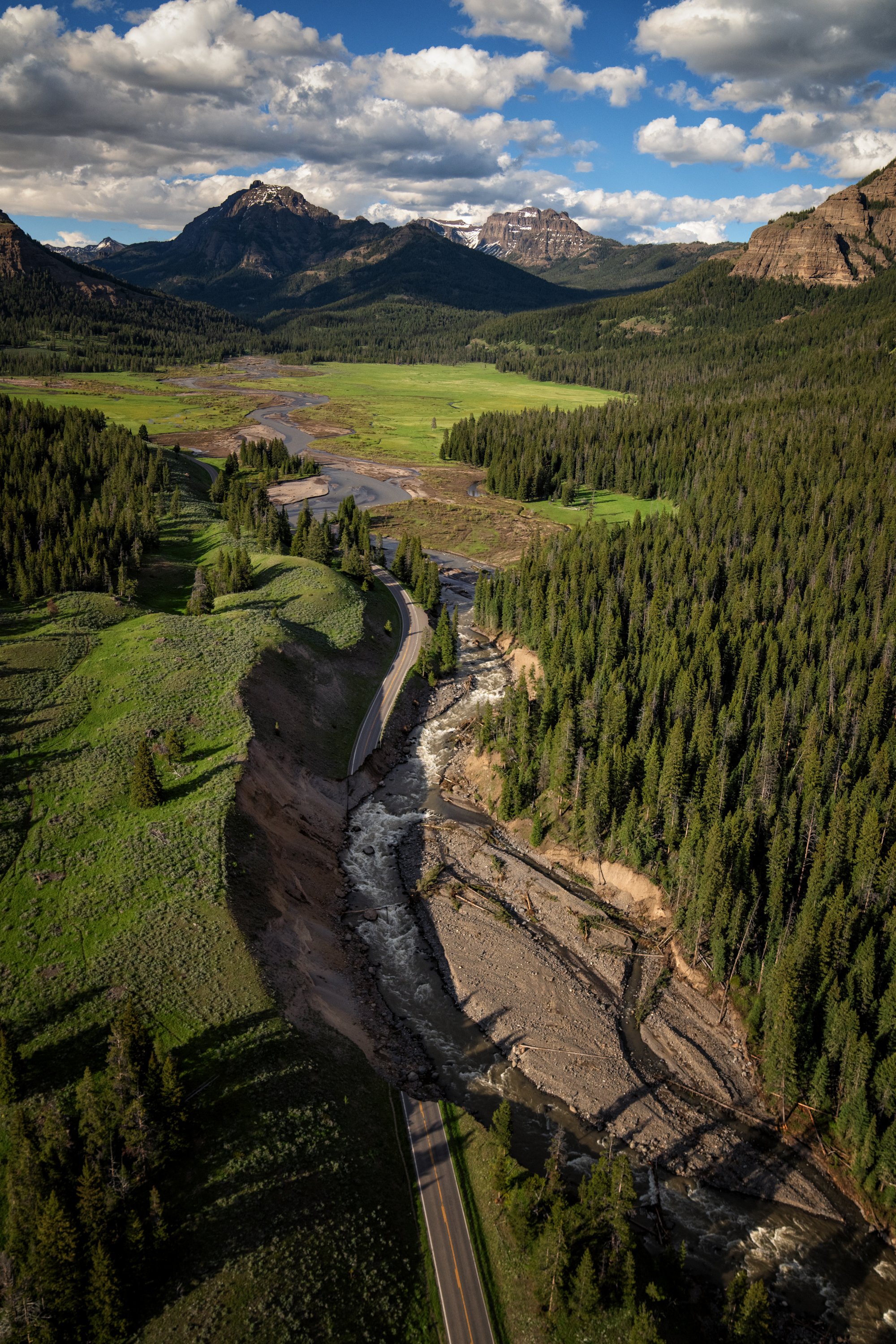
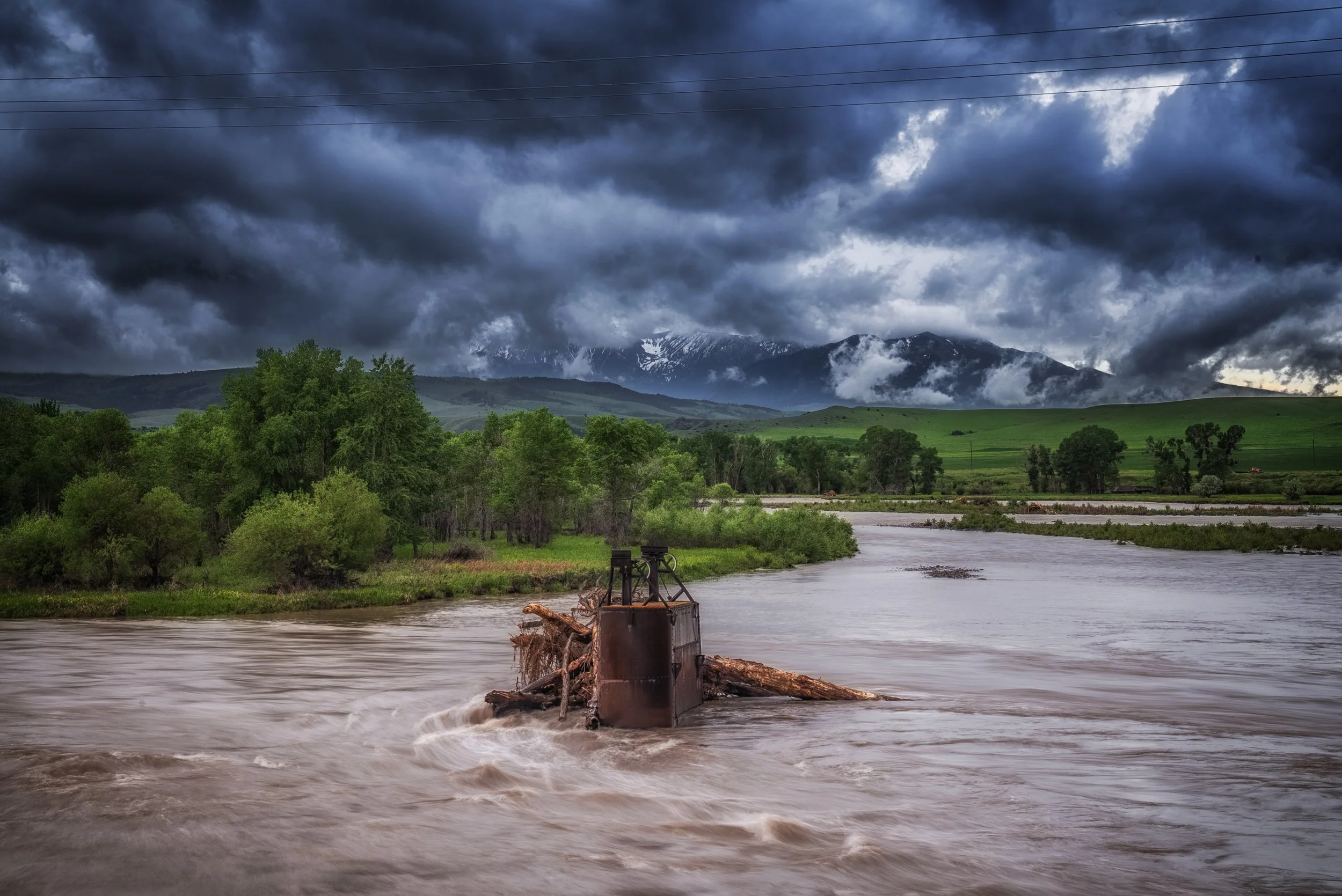
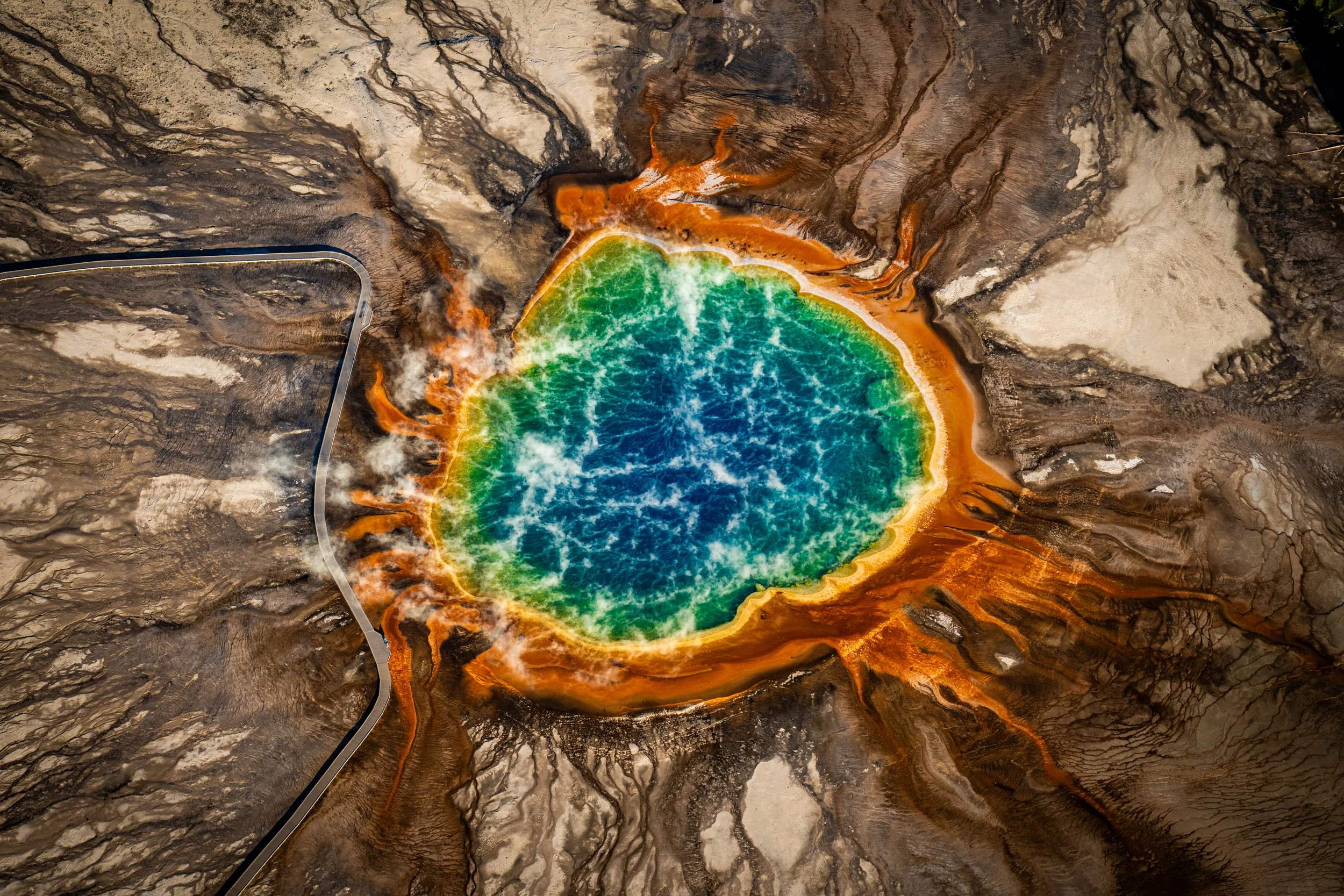
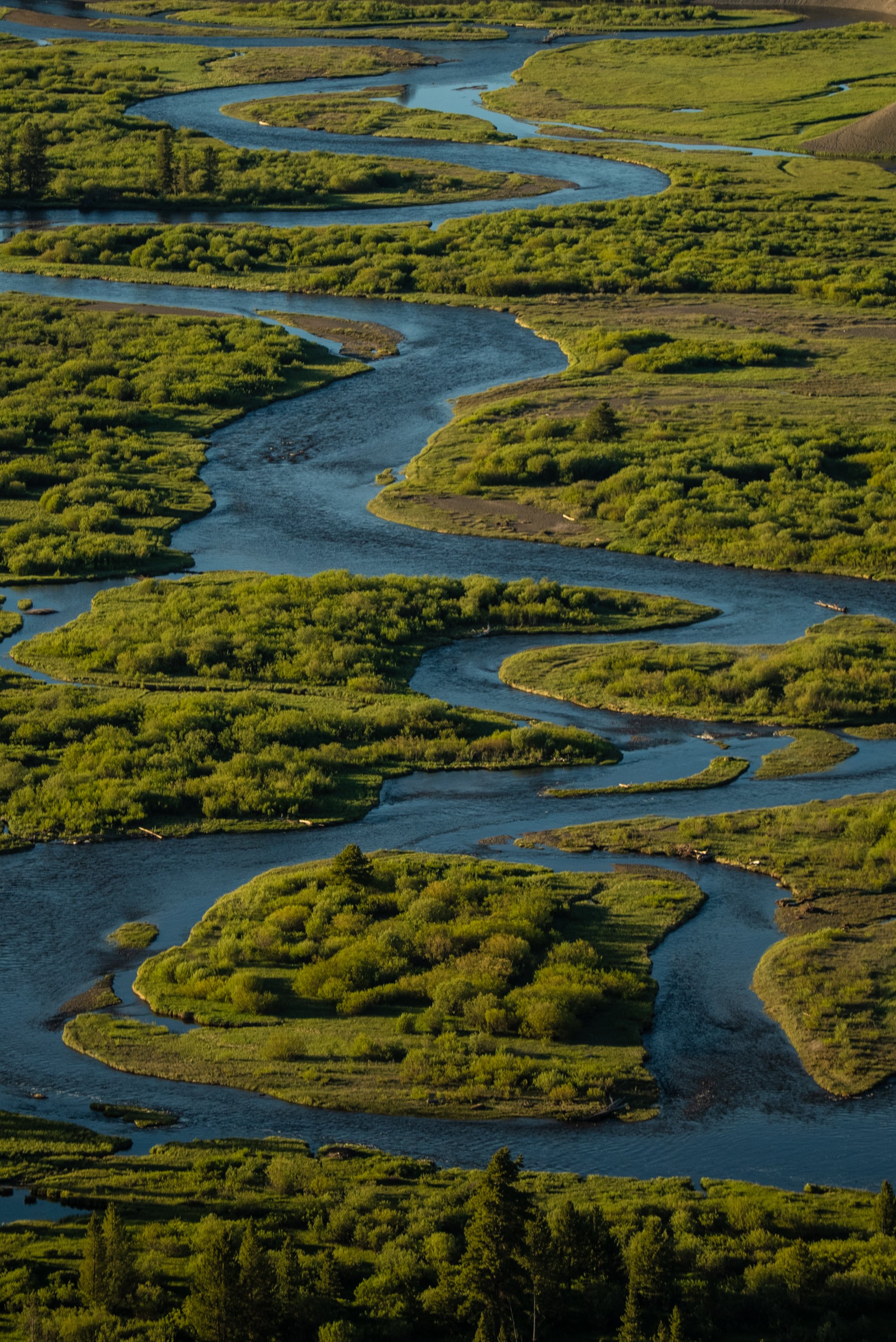
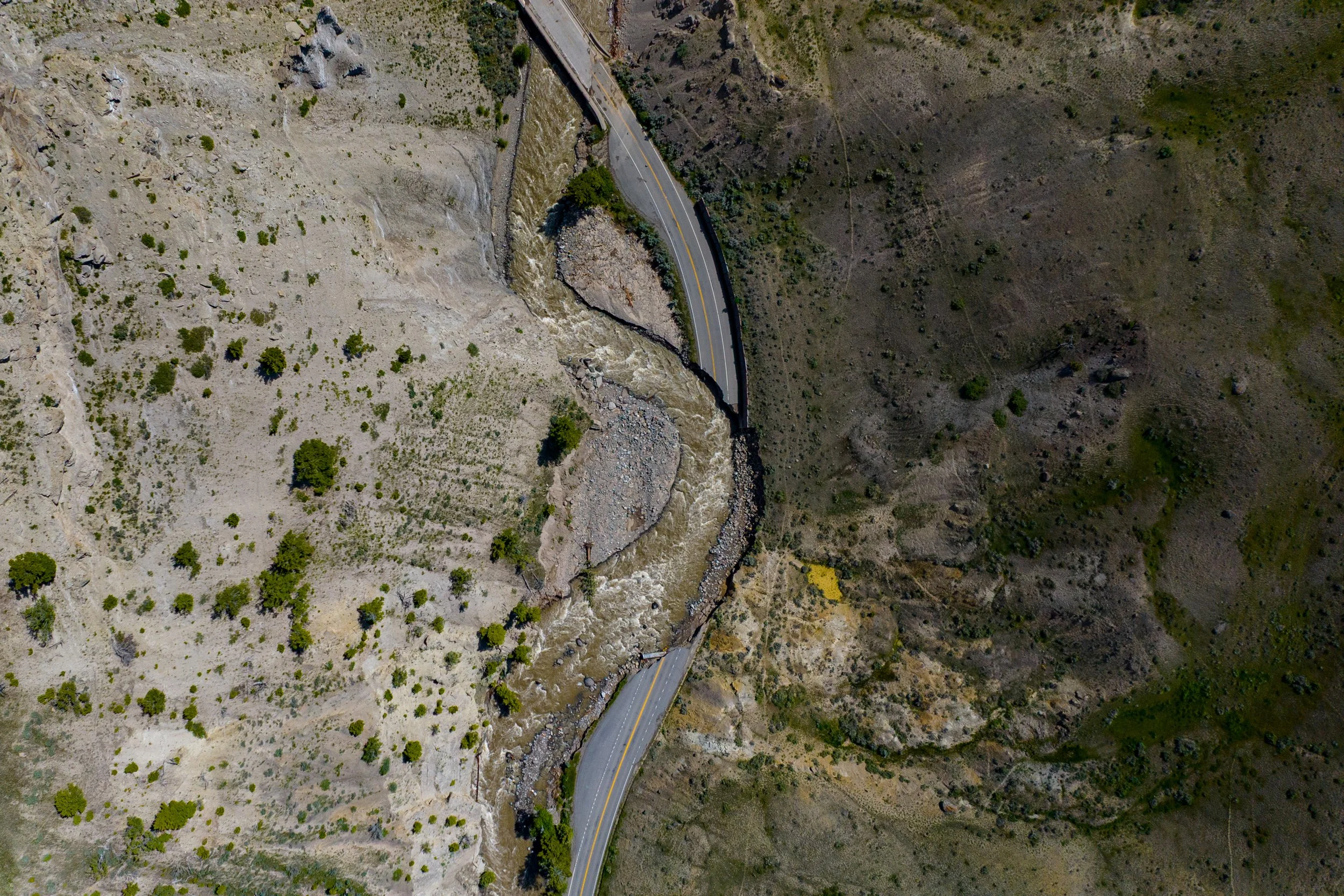
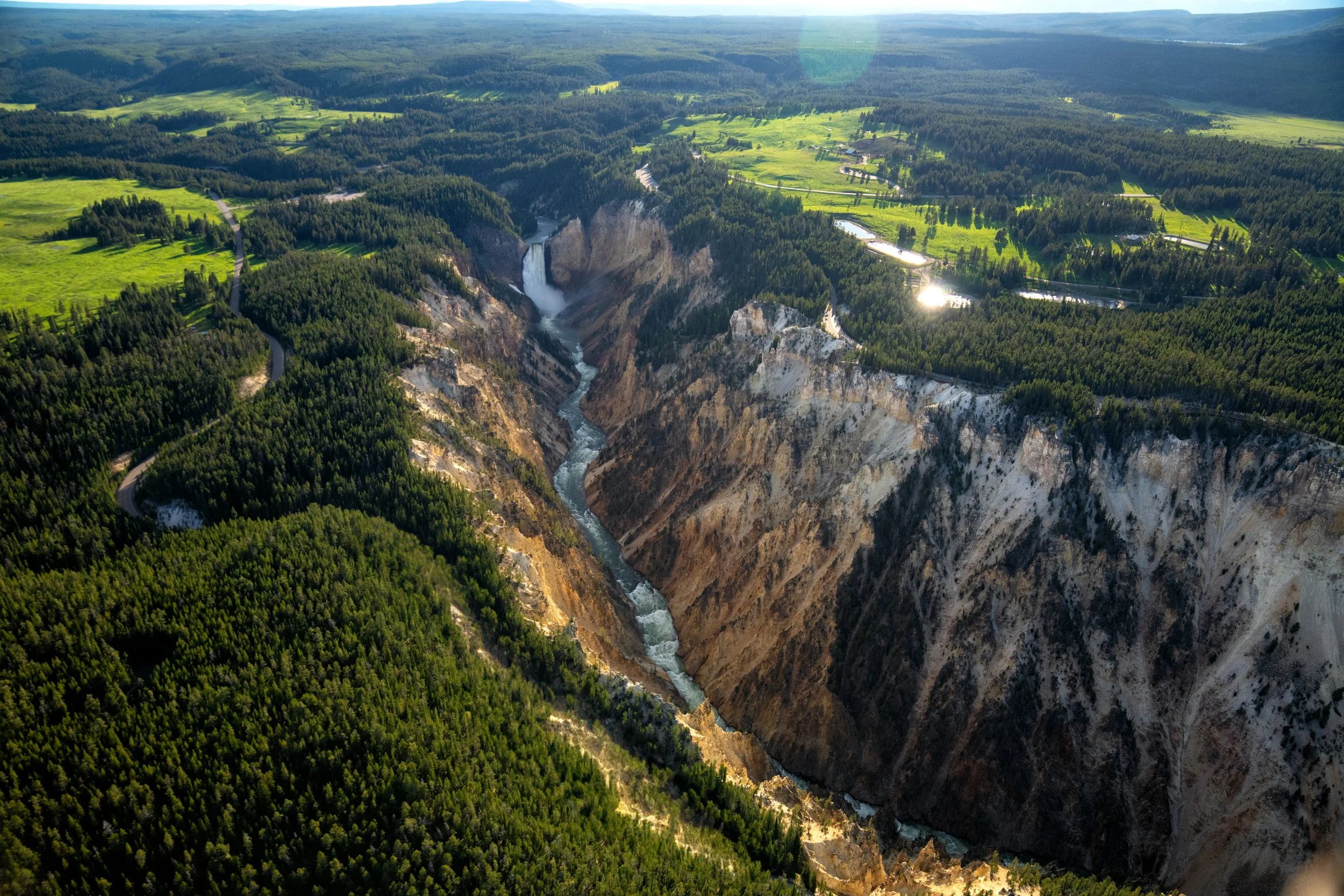
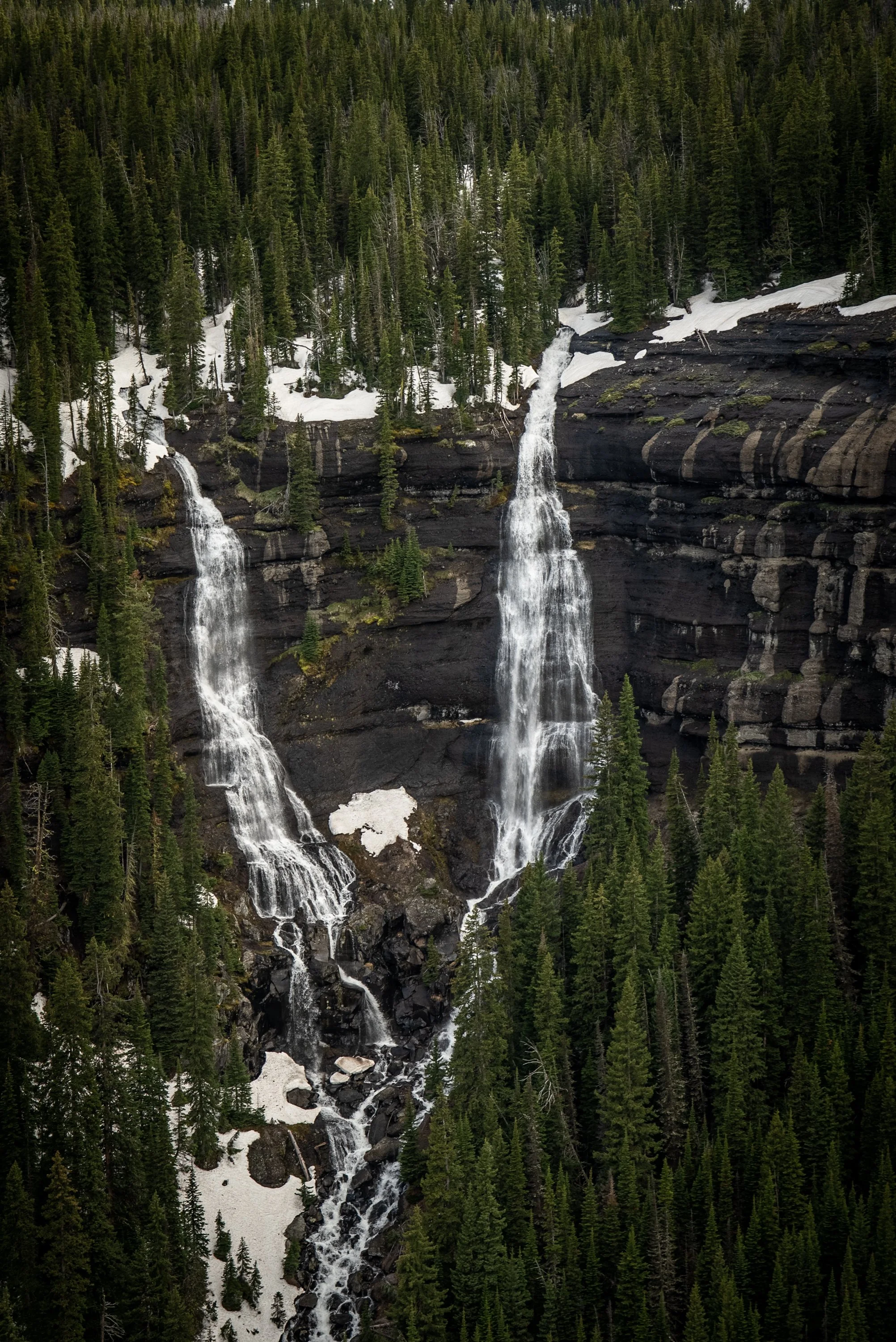
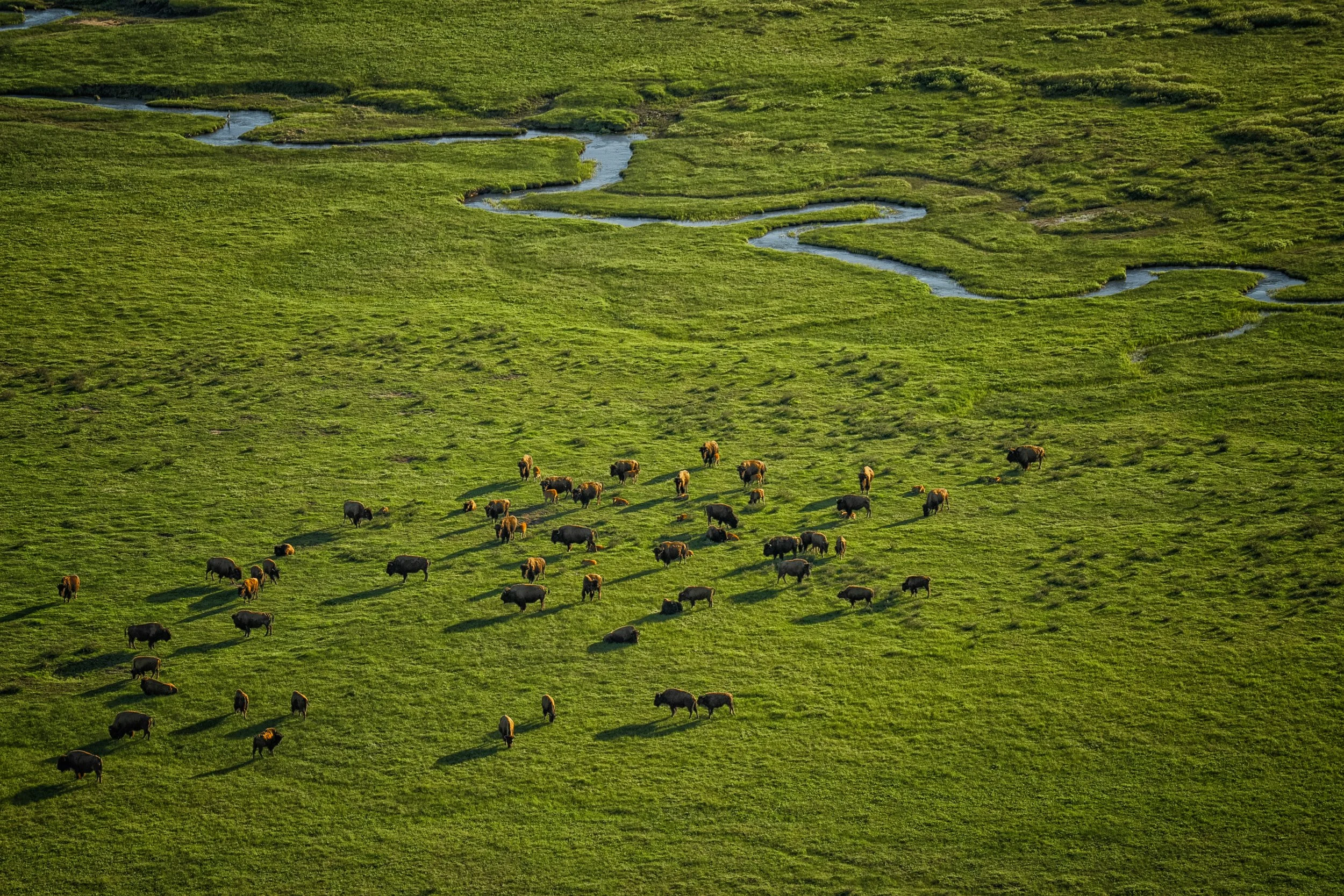
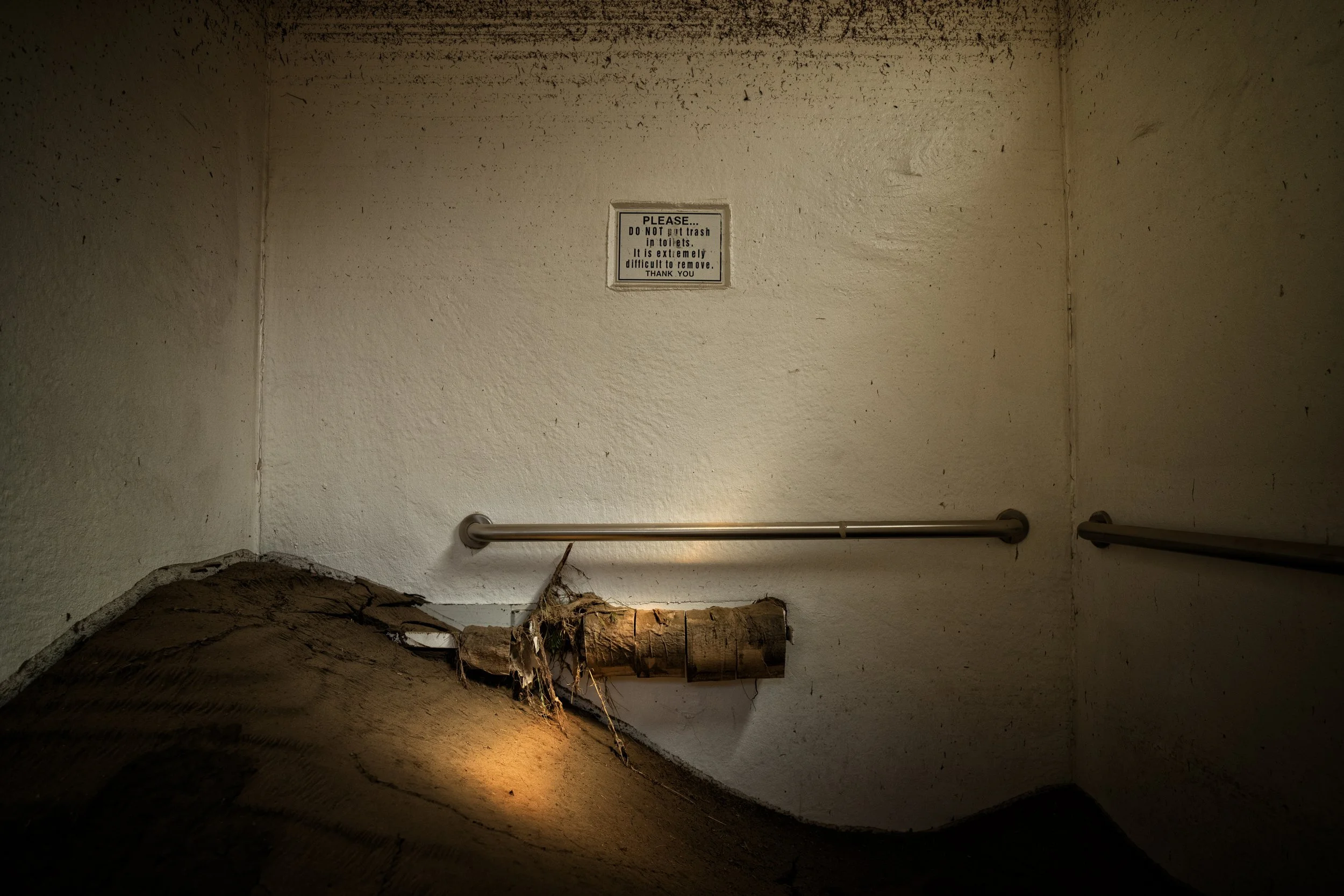
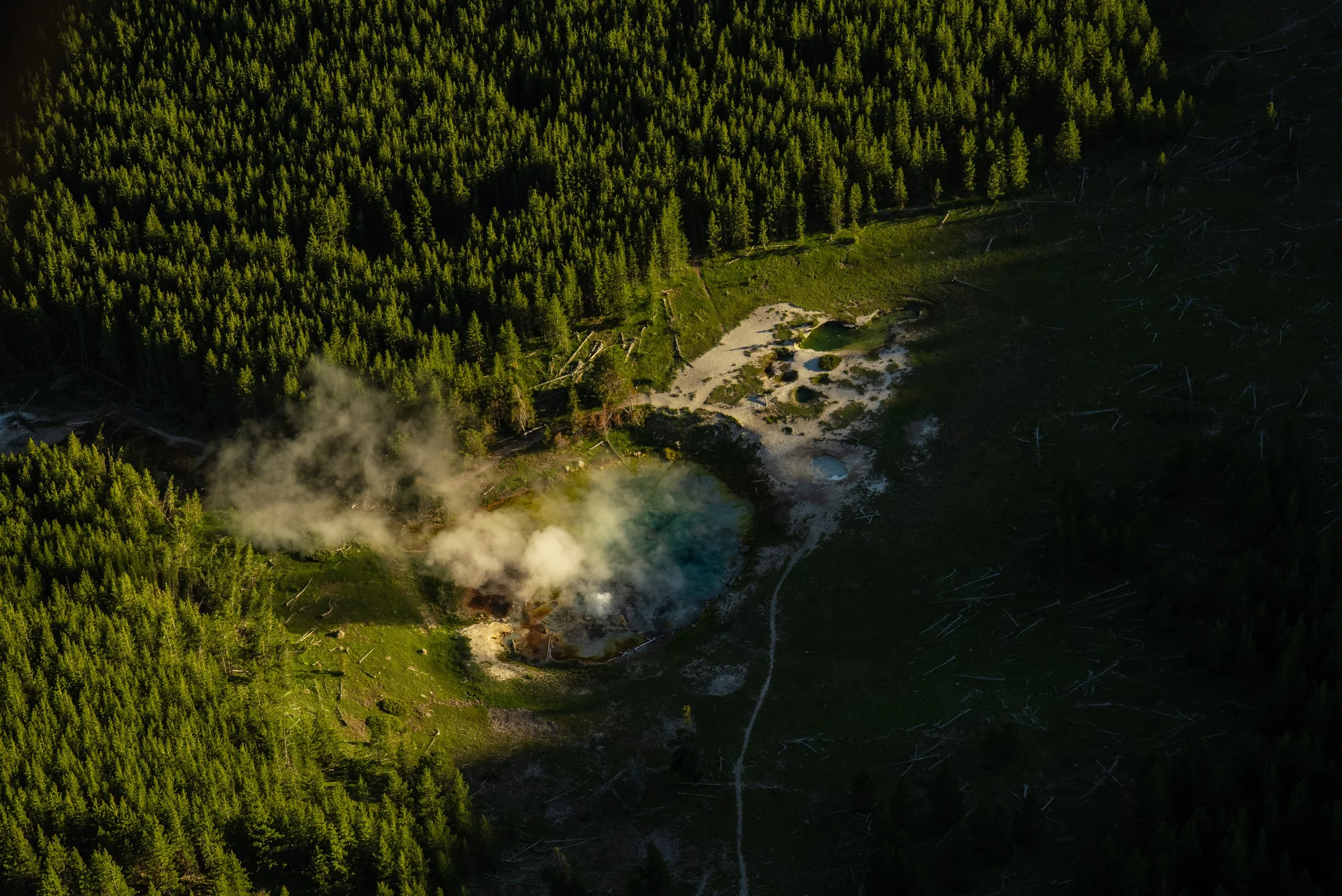
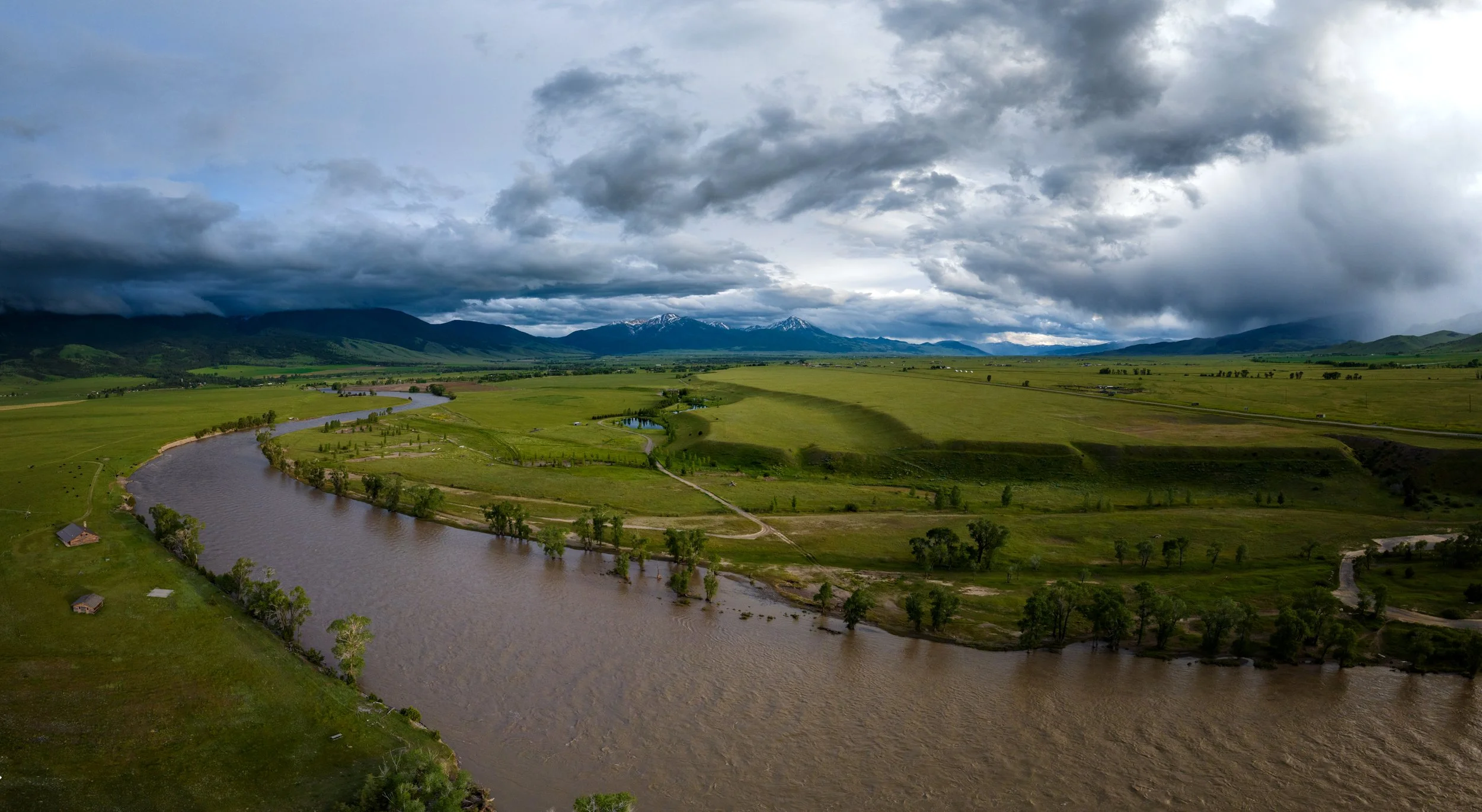
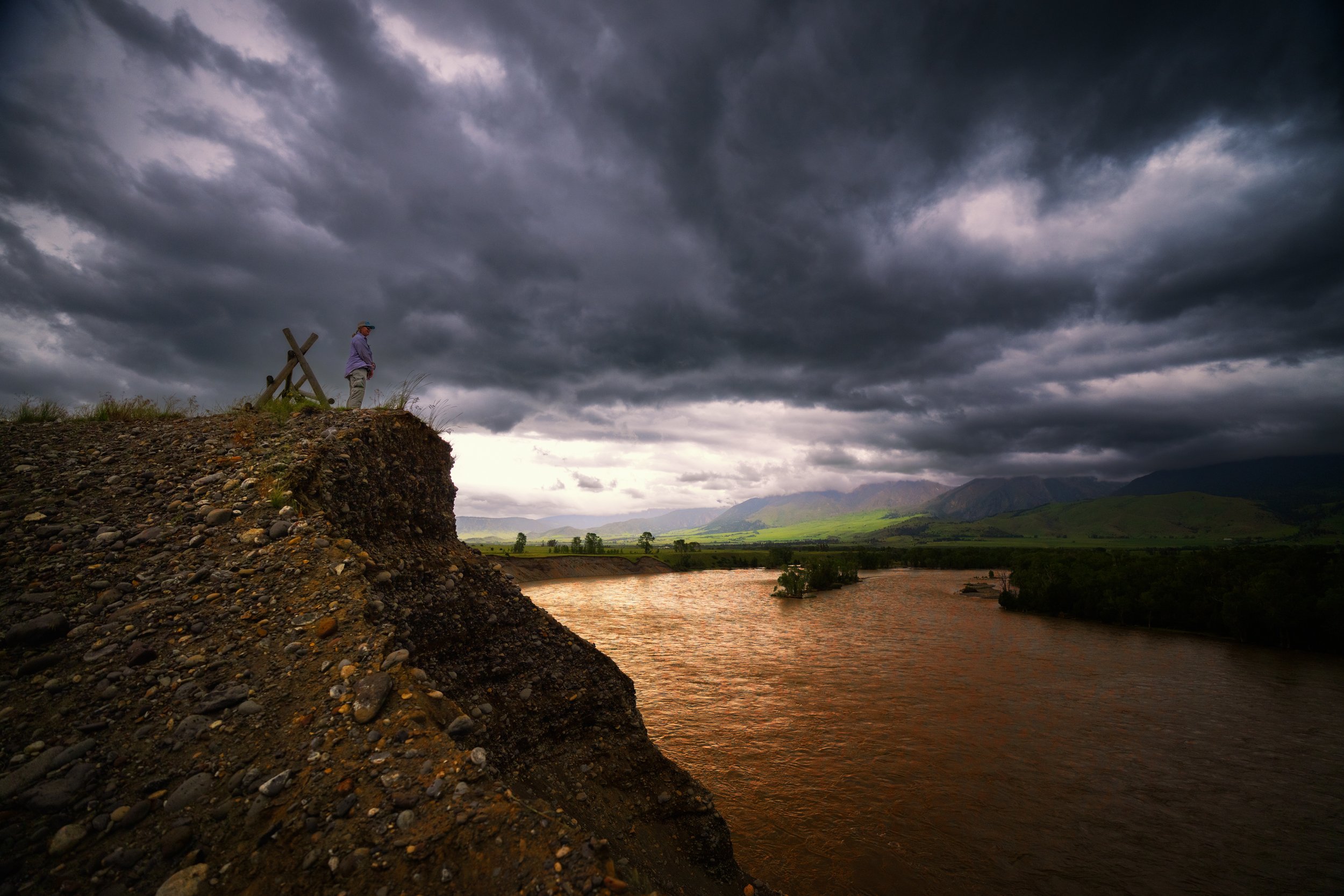
In June 2022, historic flooding tore through Yellowstone National Park, as heavy rainfall combined with rapid snowmelt sent rivers to record levels, destroying roads, bridges, and isolating nearby communities. Sent to document the aftermath, Tommy and Keith Ladzinski traveled to Yellowstone to produce a National Geographic story capturing both the destruction and the surprising ecological renewal that follows such powerful natural events. Through video and photography, the assignment reveals how even catastrophic floods can reshape and restore wild landscapes.
2022: Sahara Dinosaurs
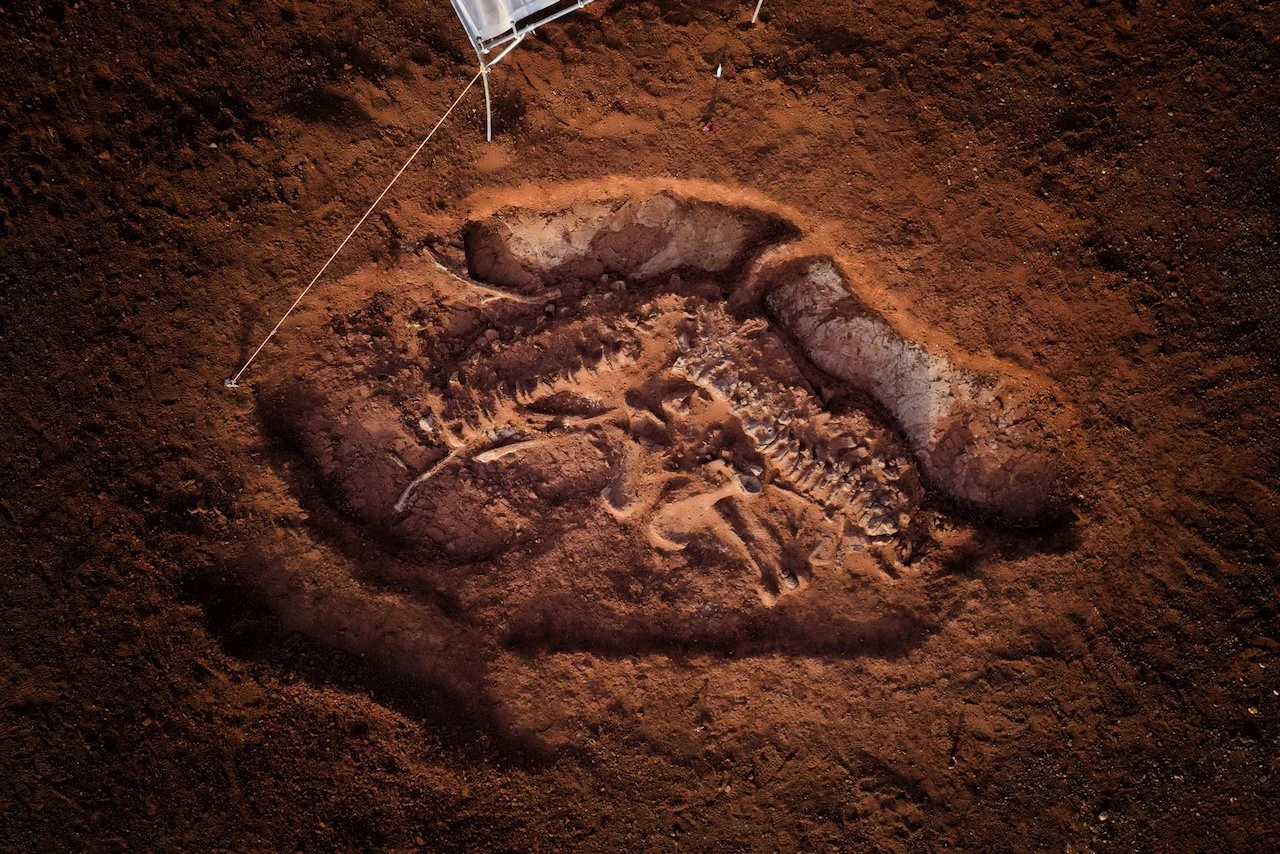
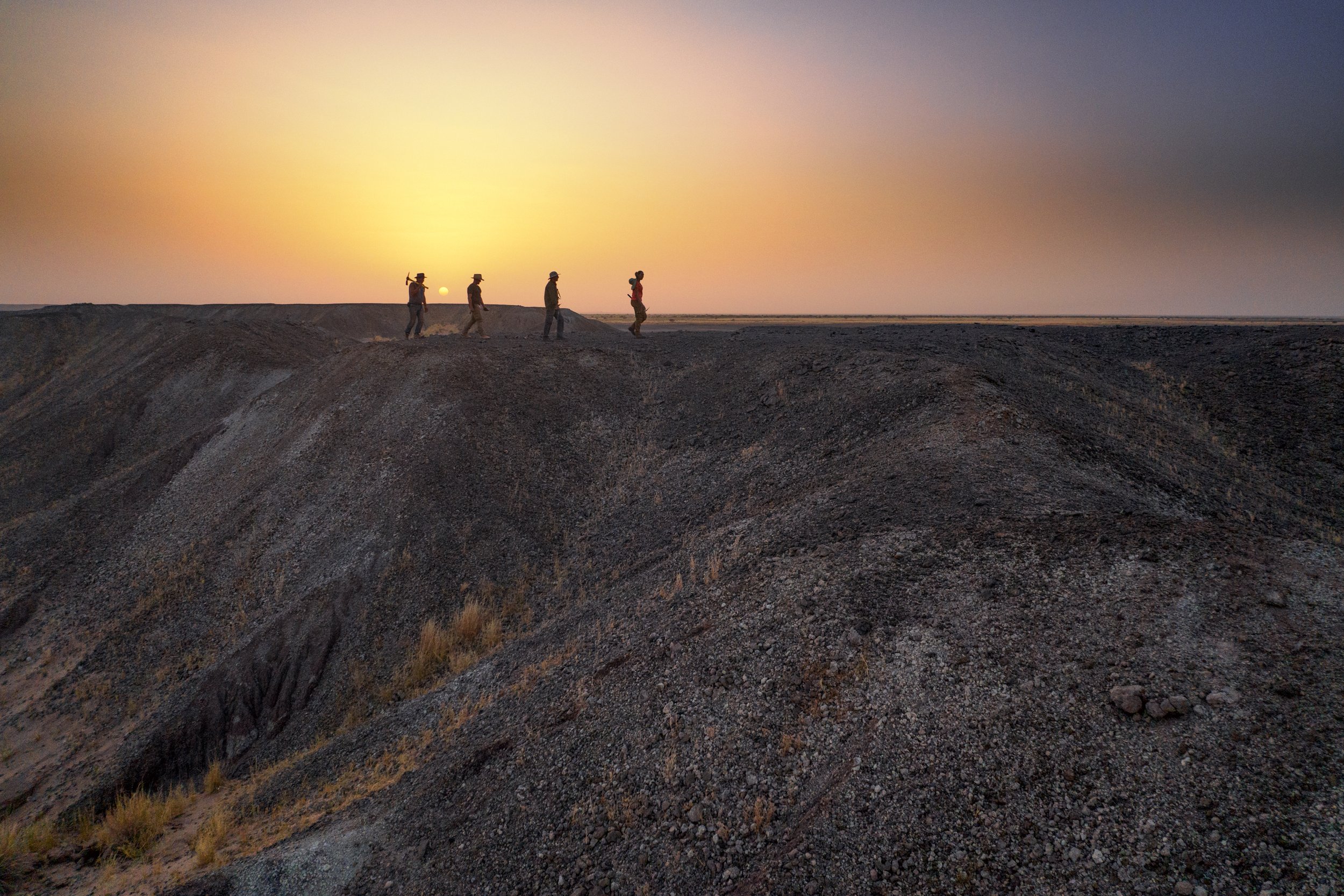
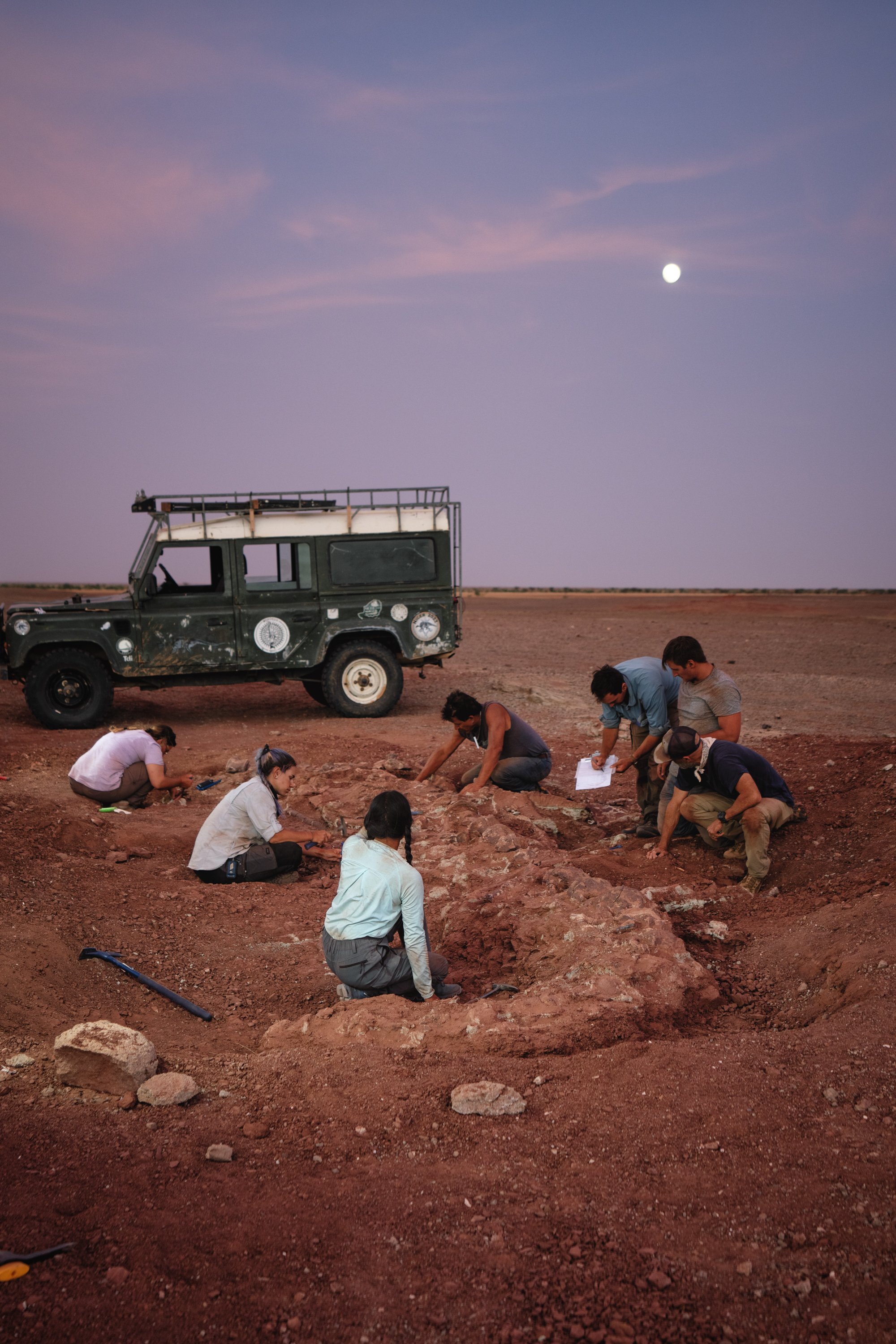
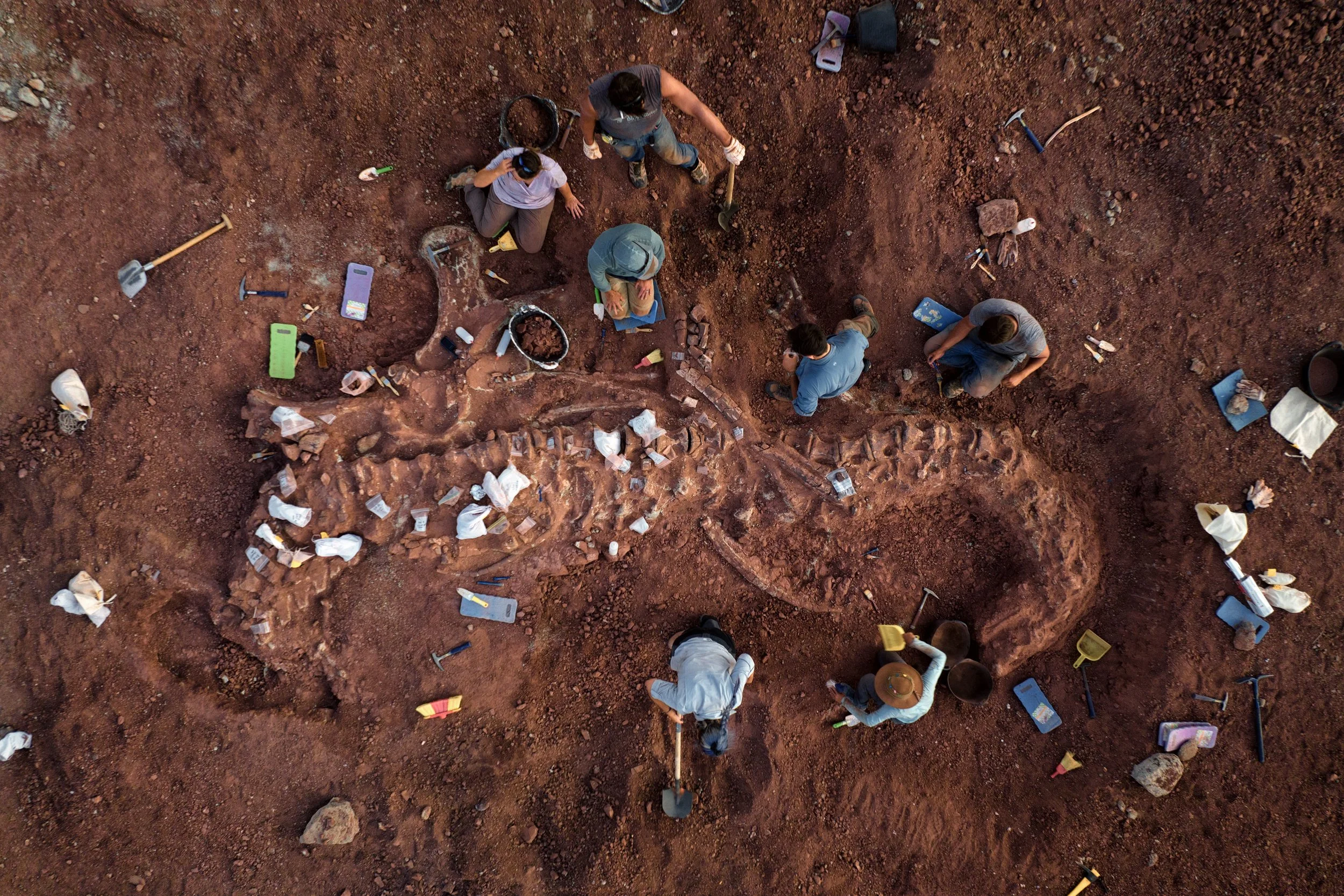
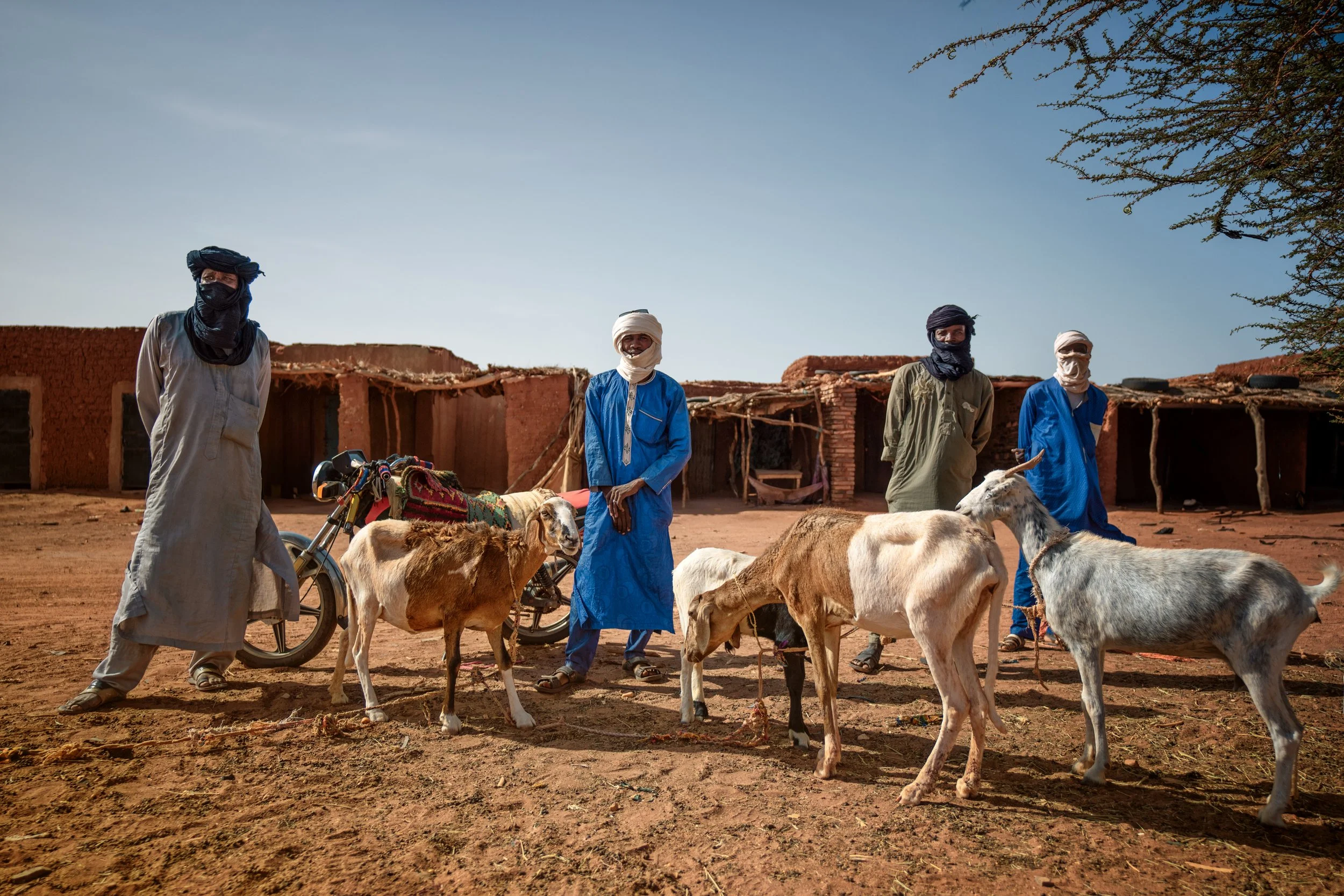
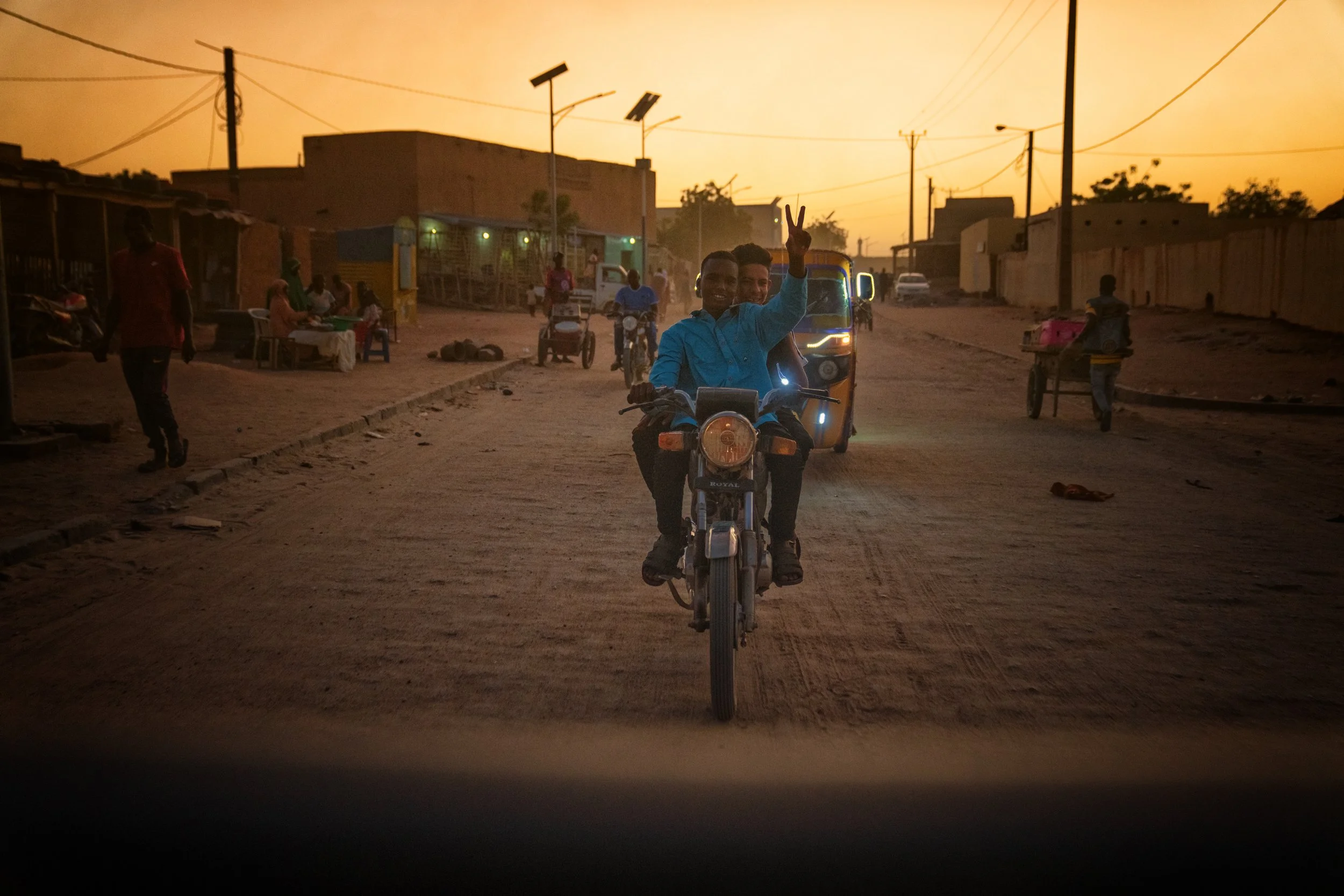
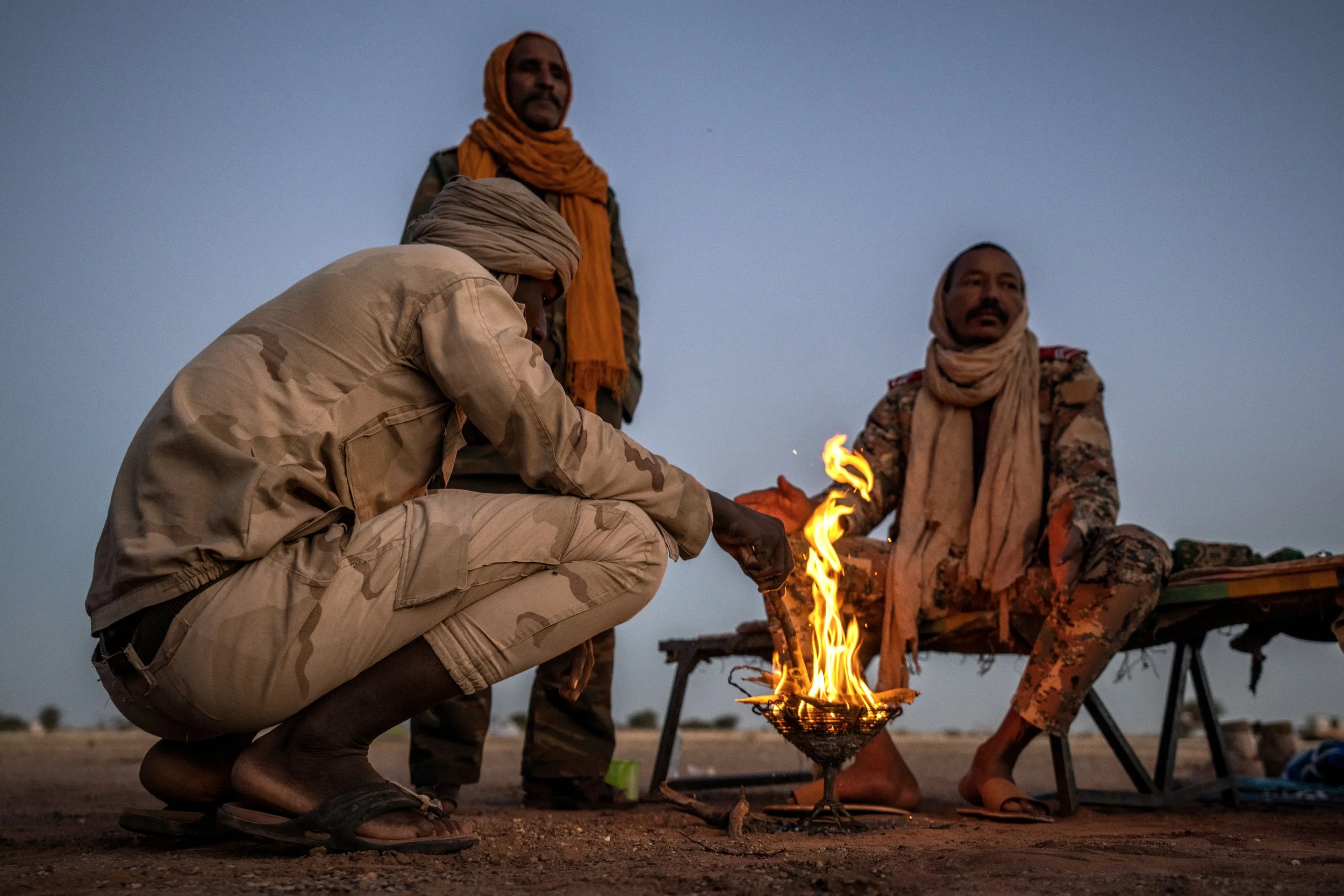
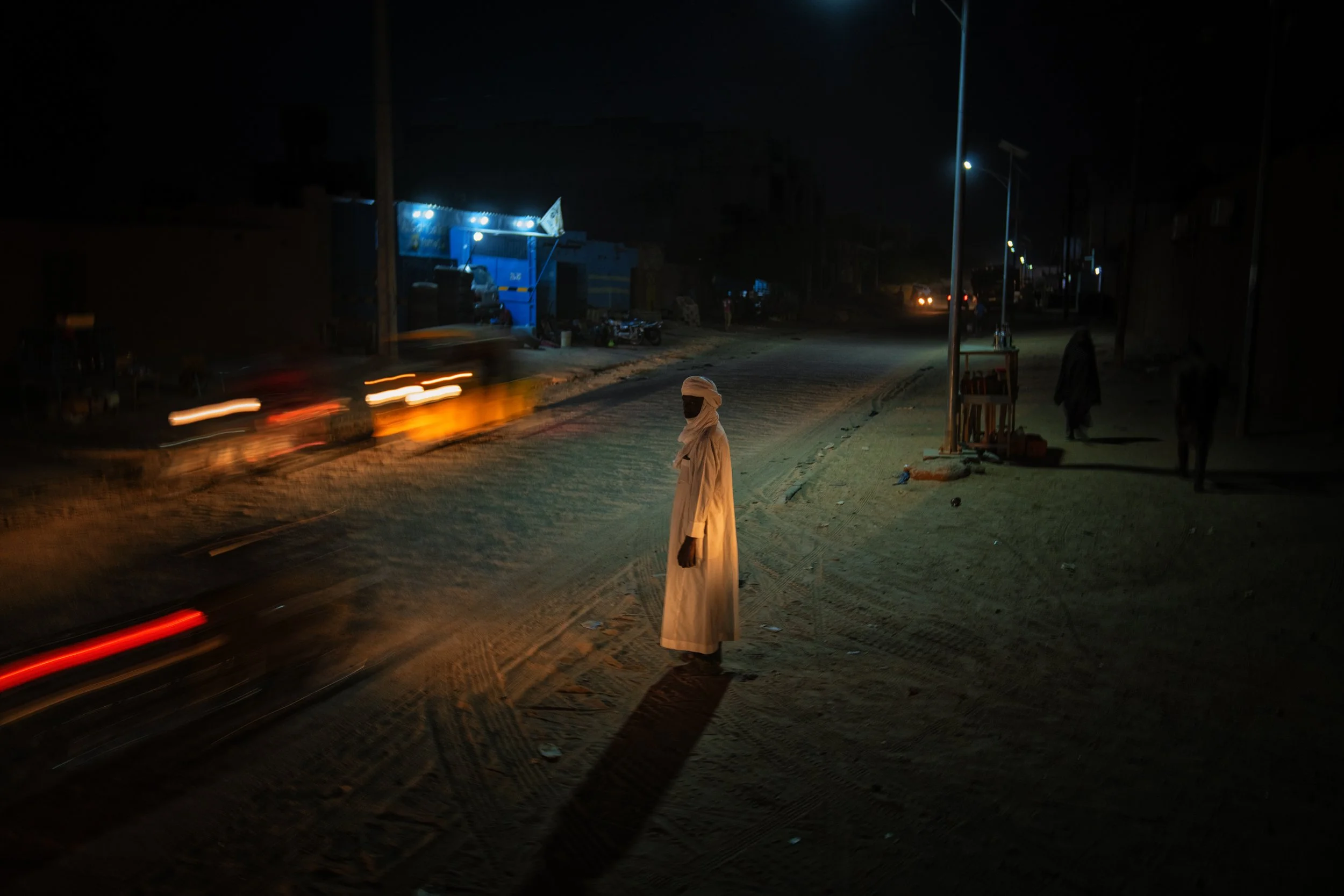
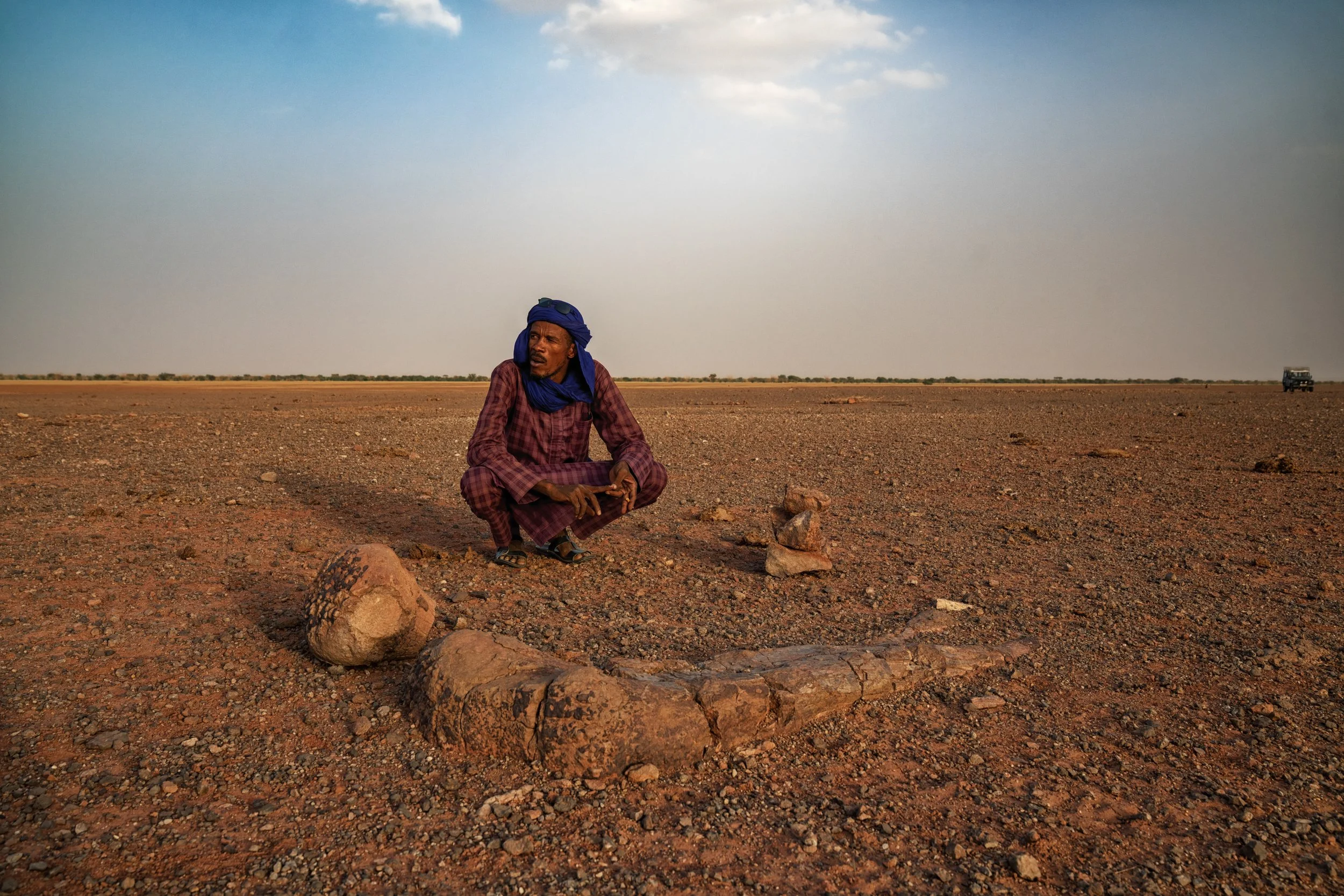
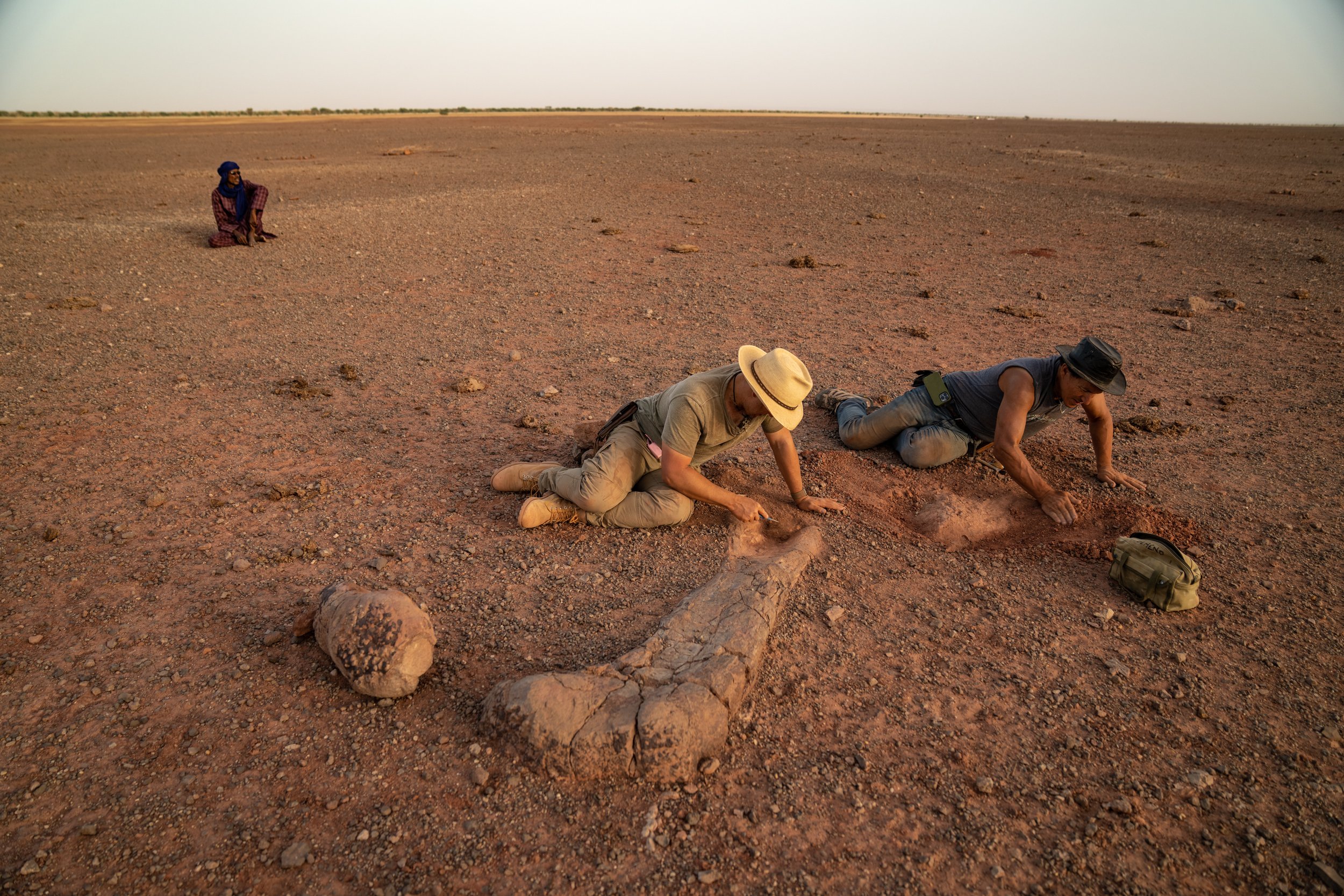
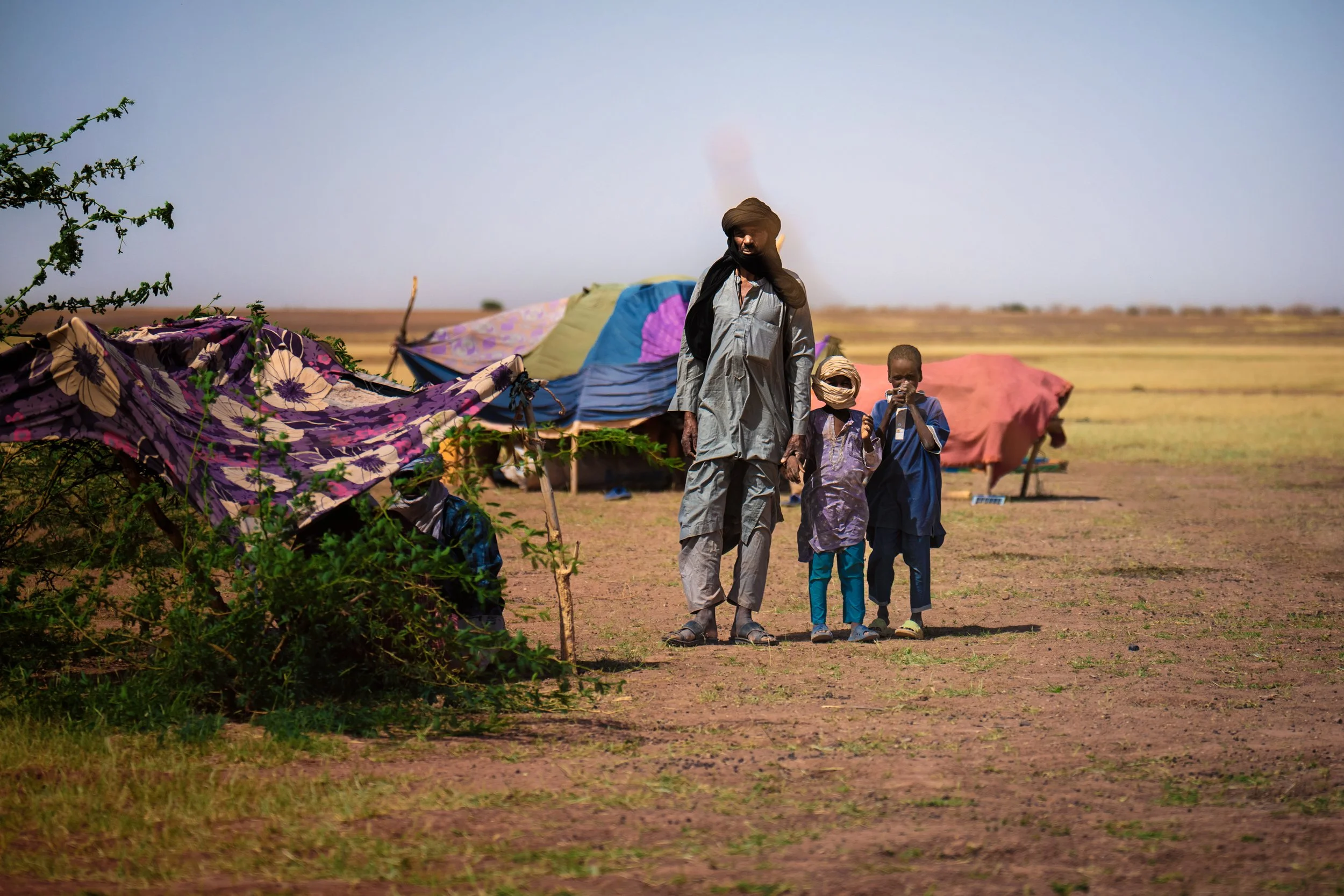
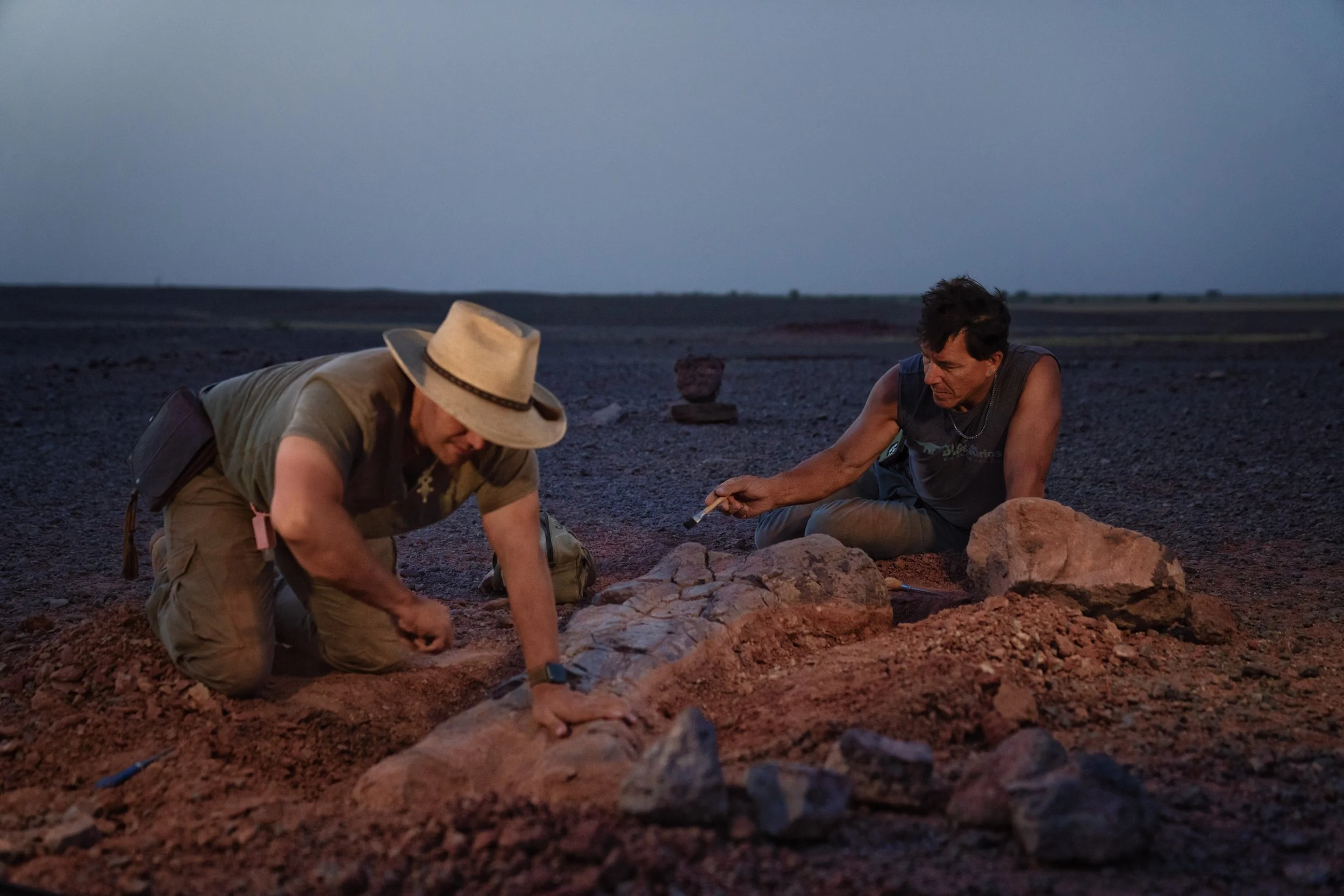
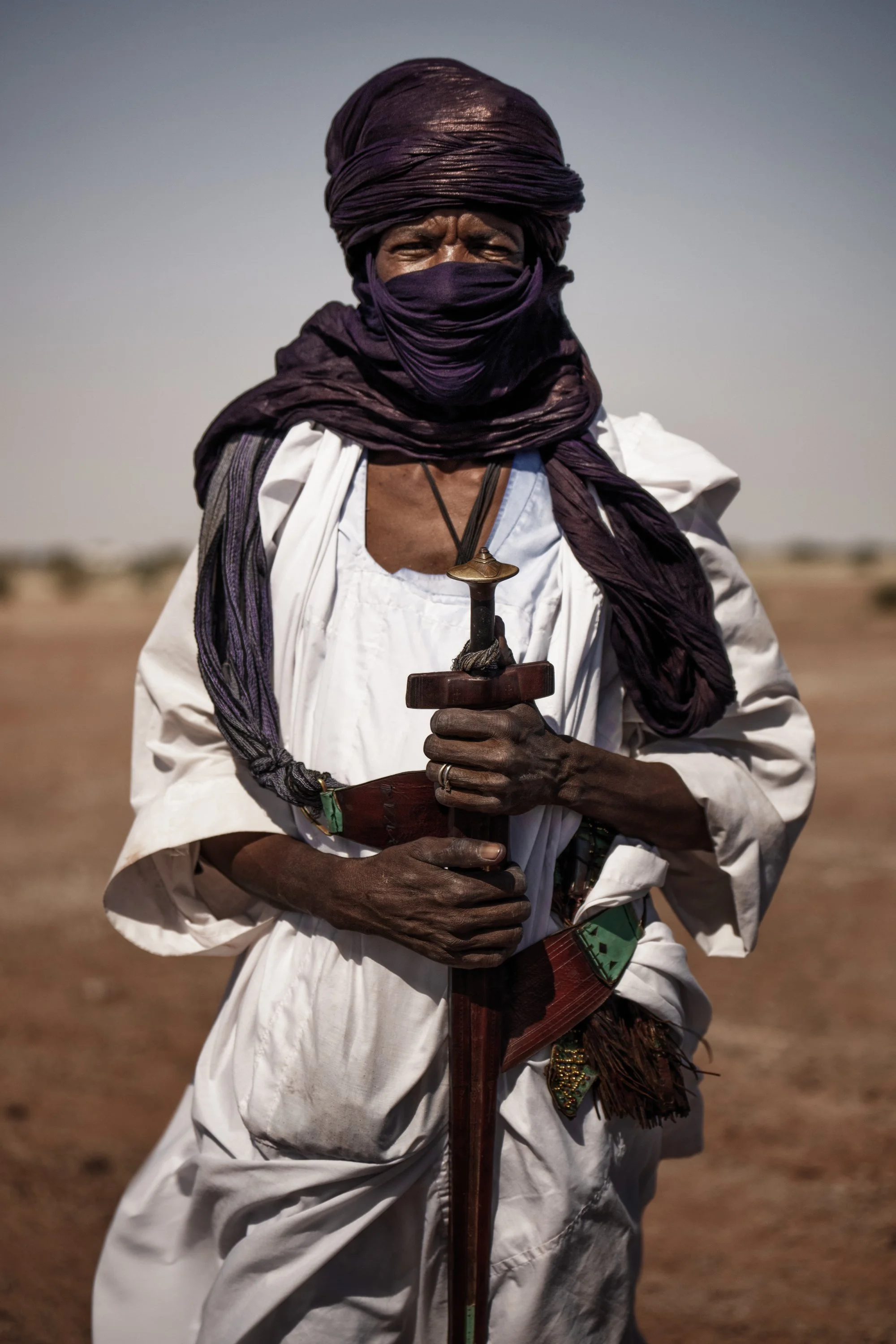
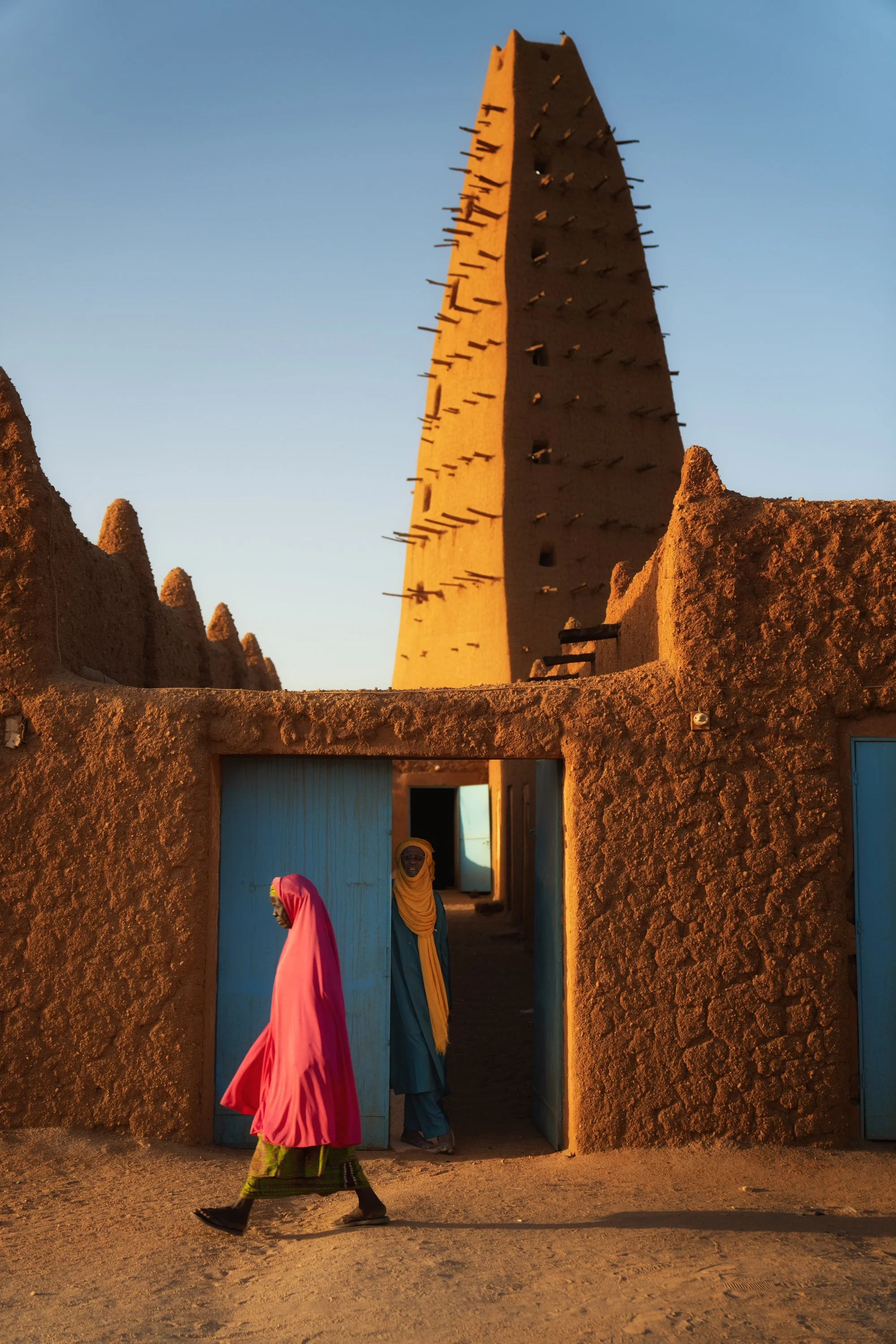
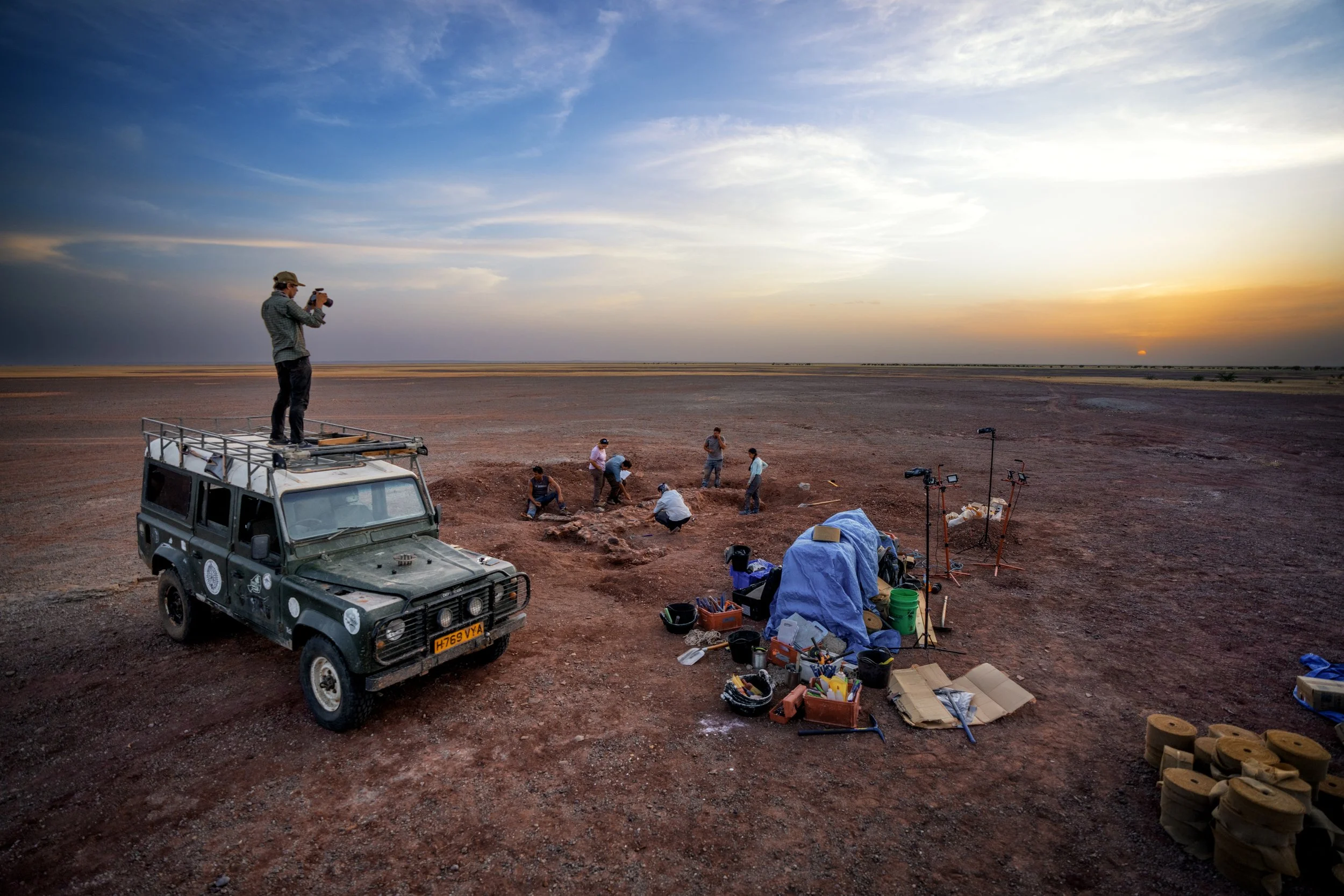
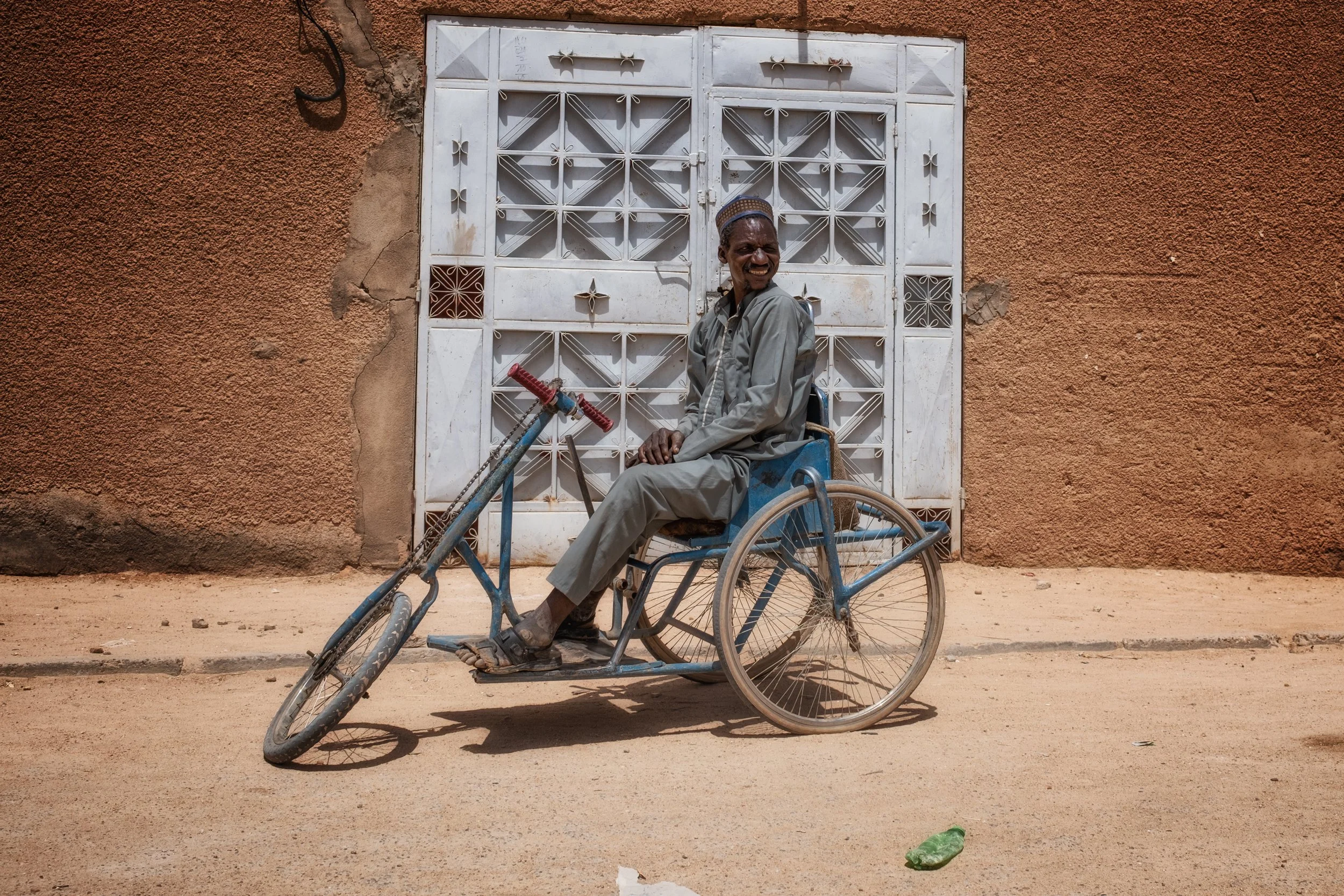
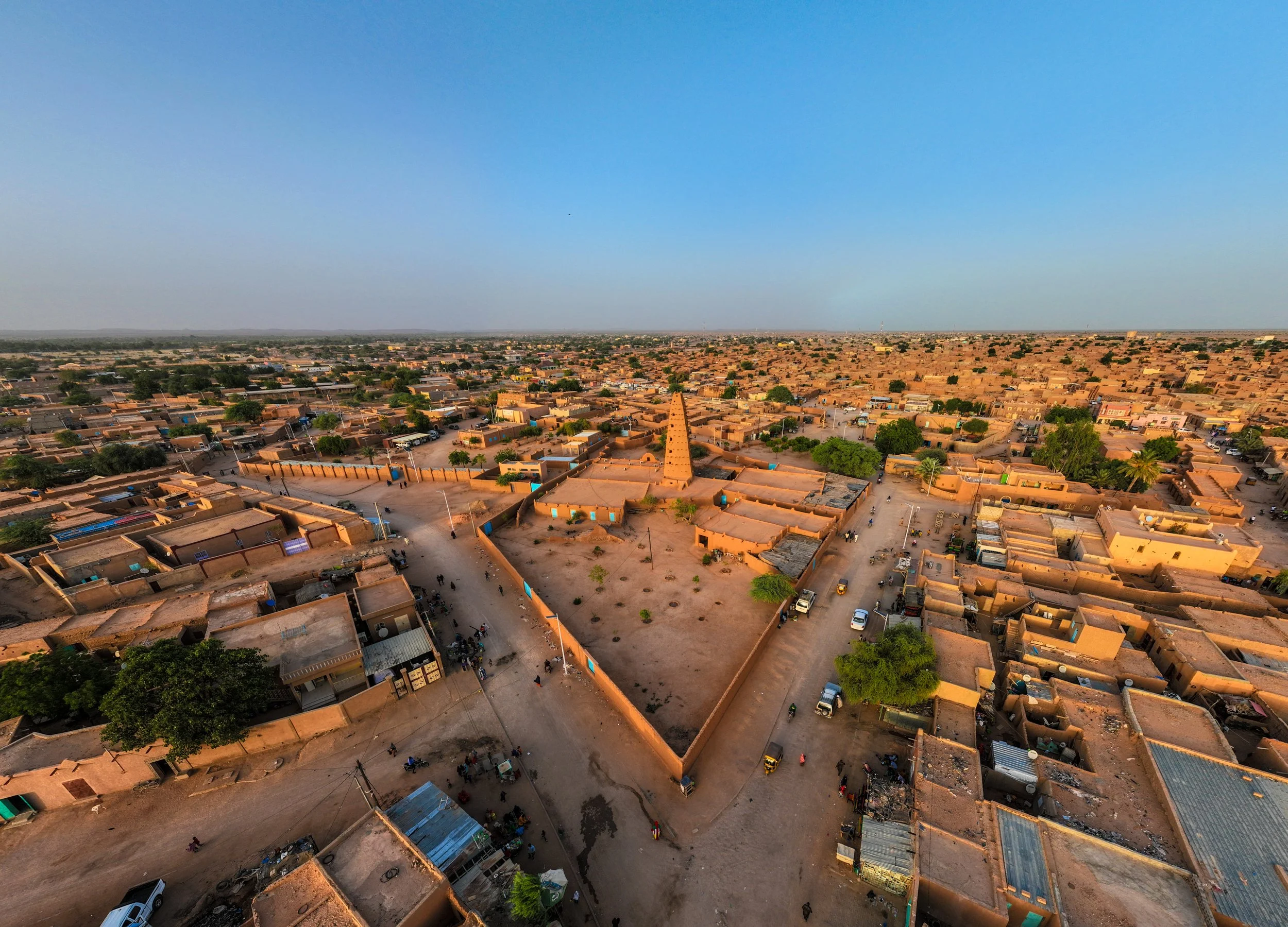
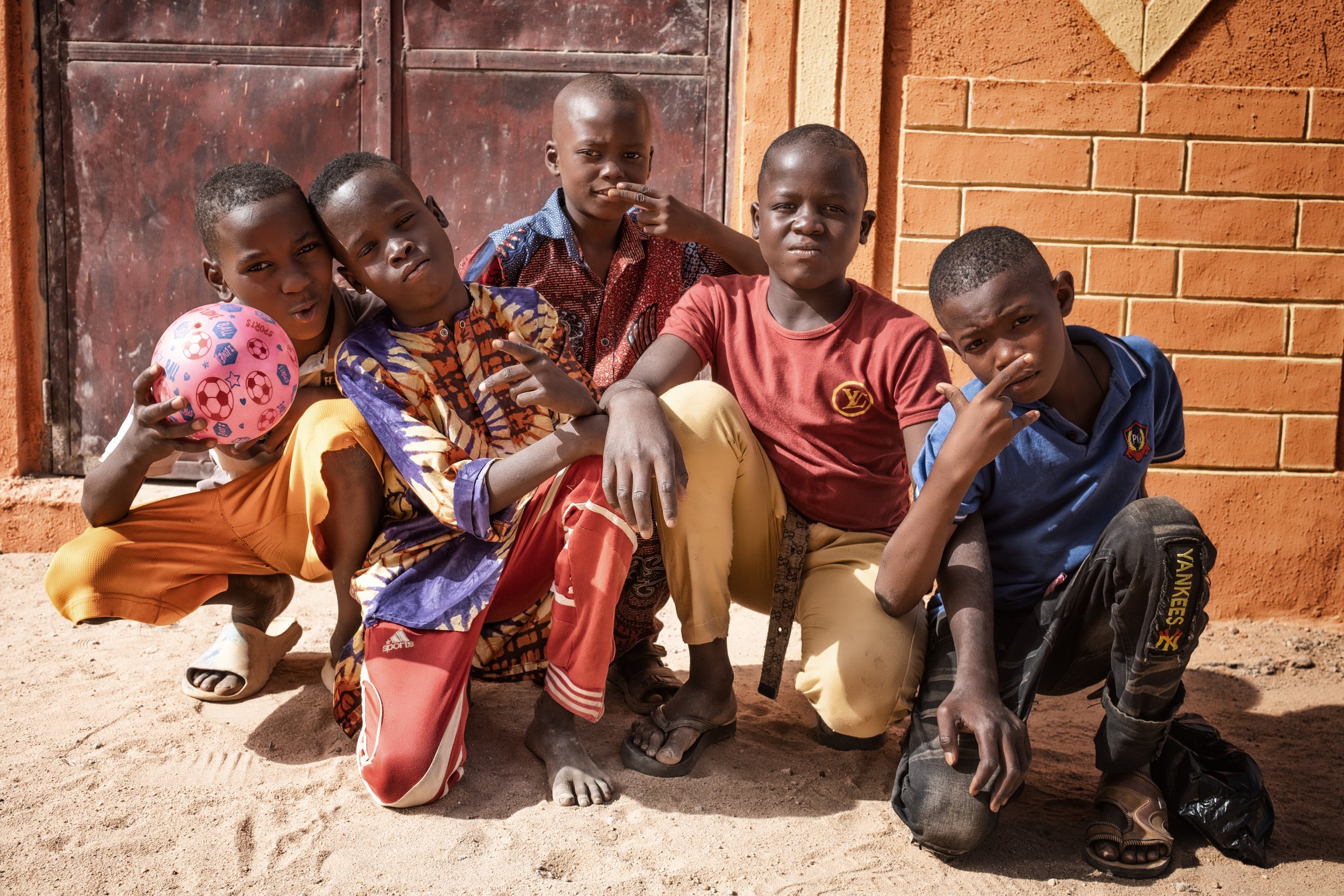
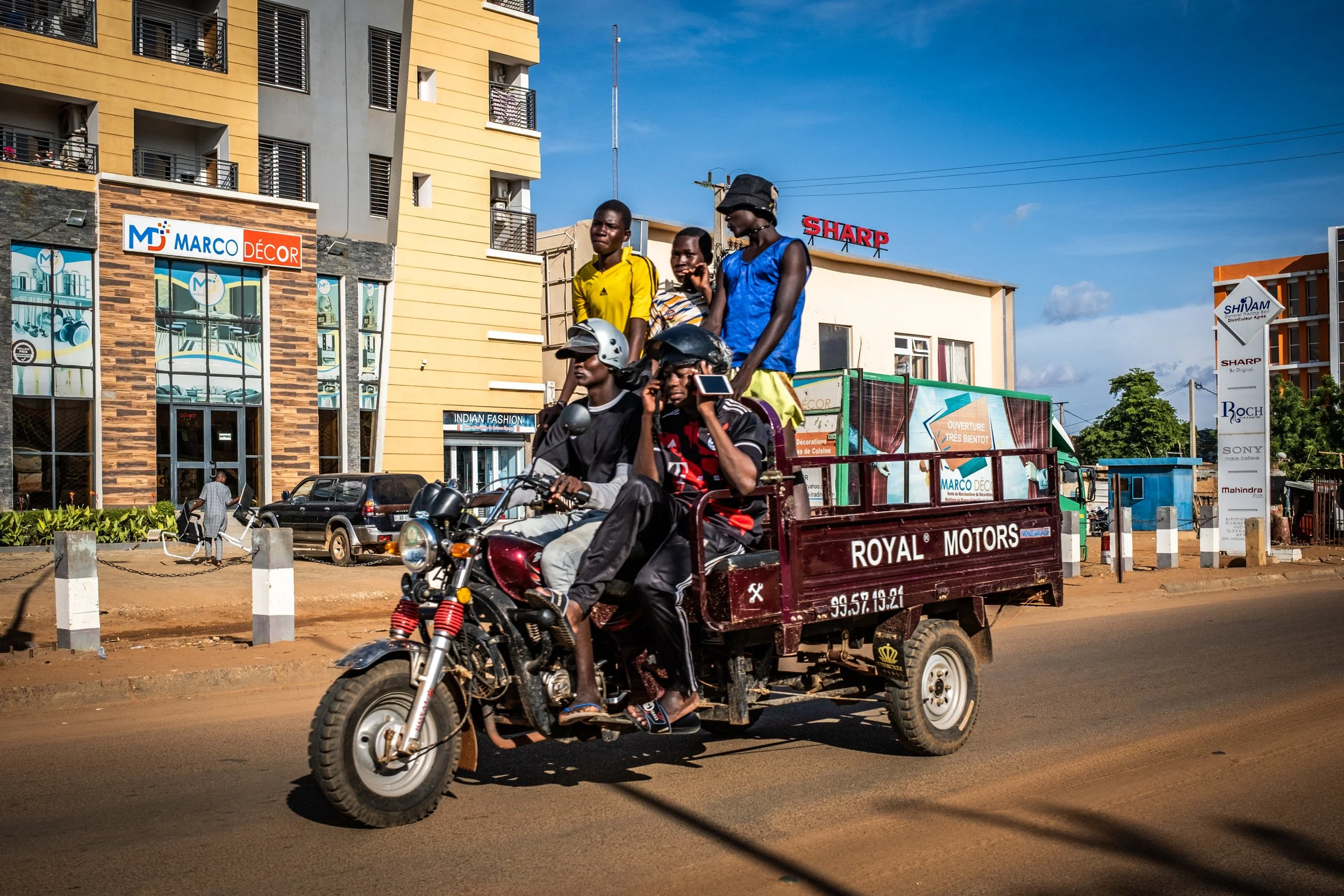
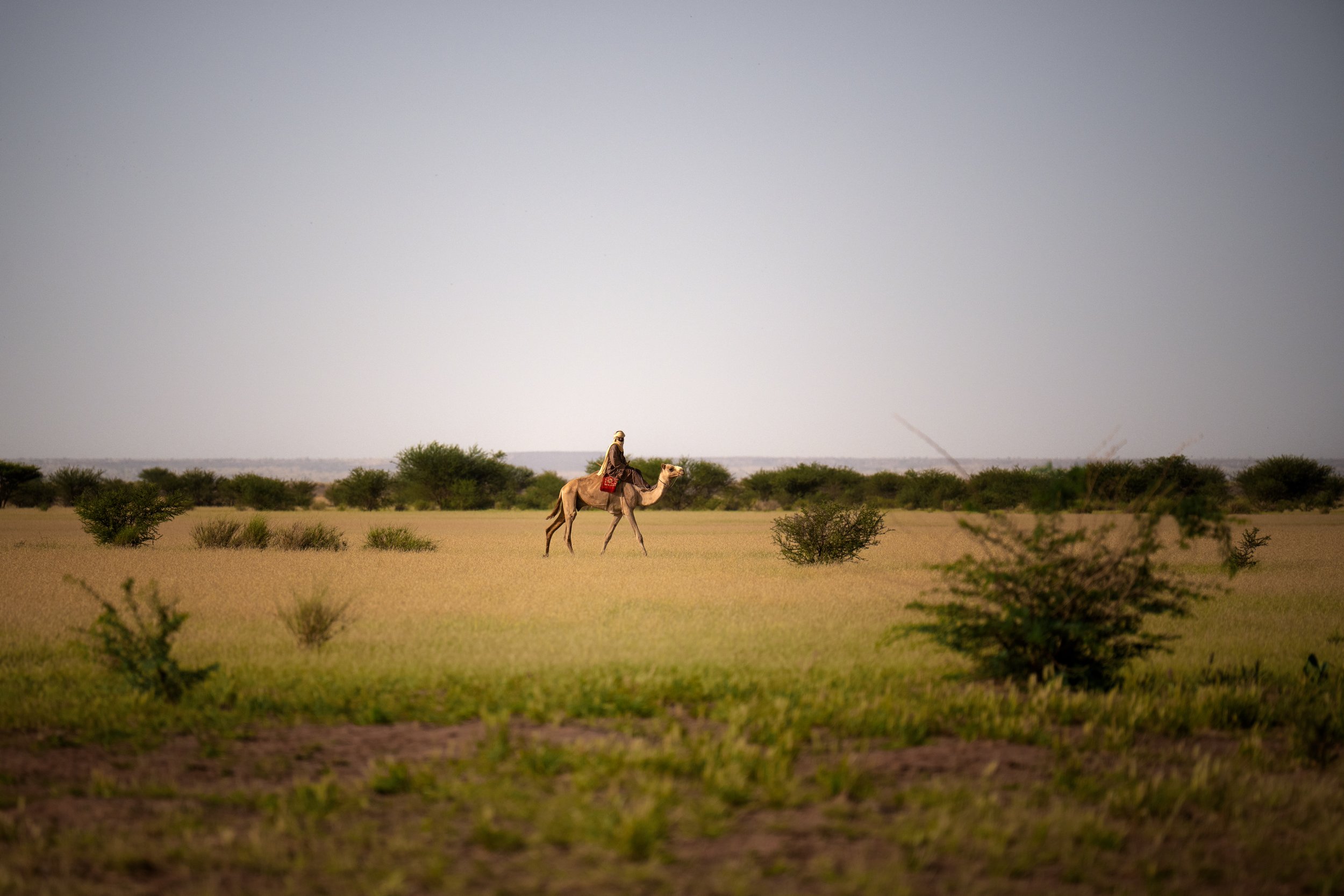
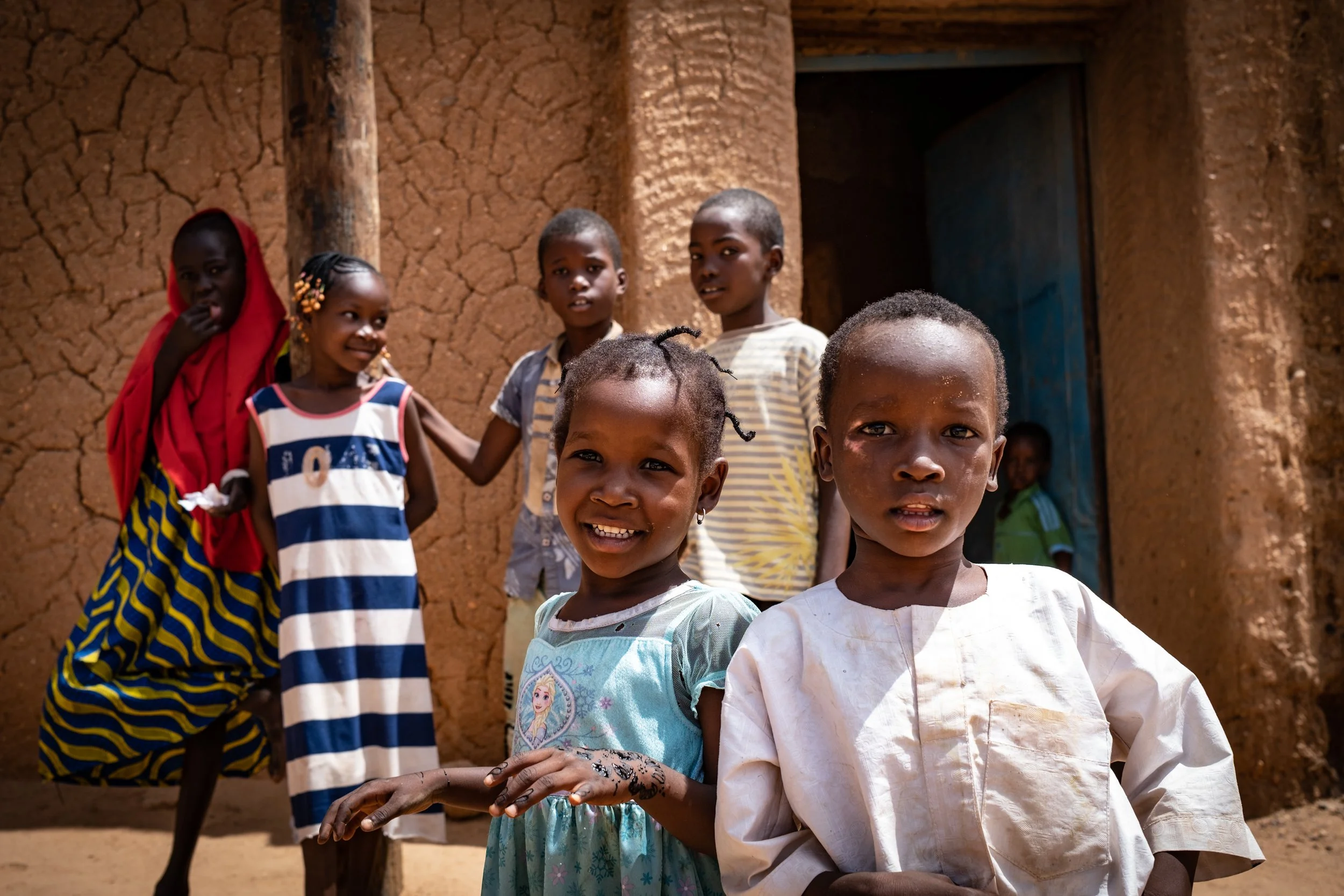
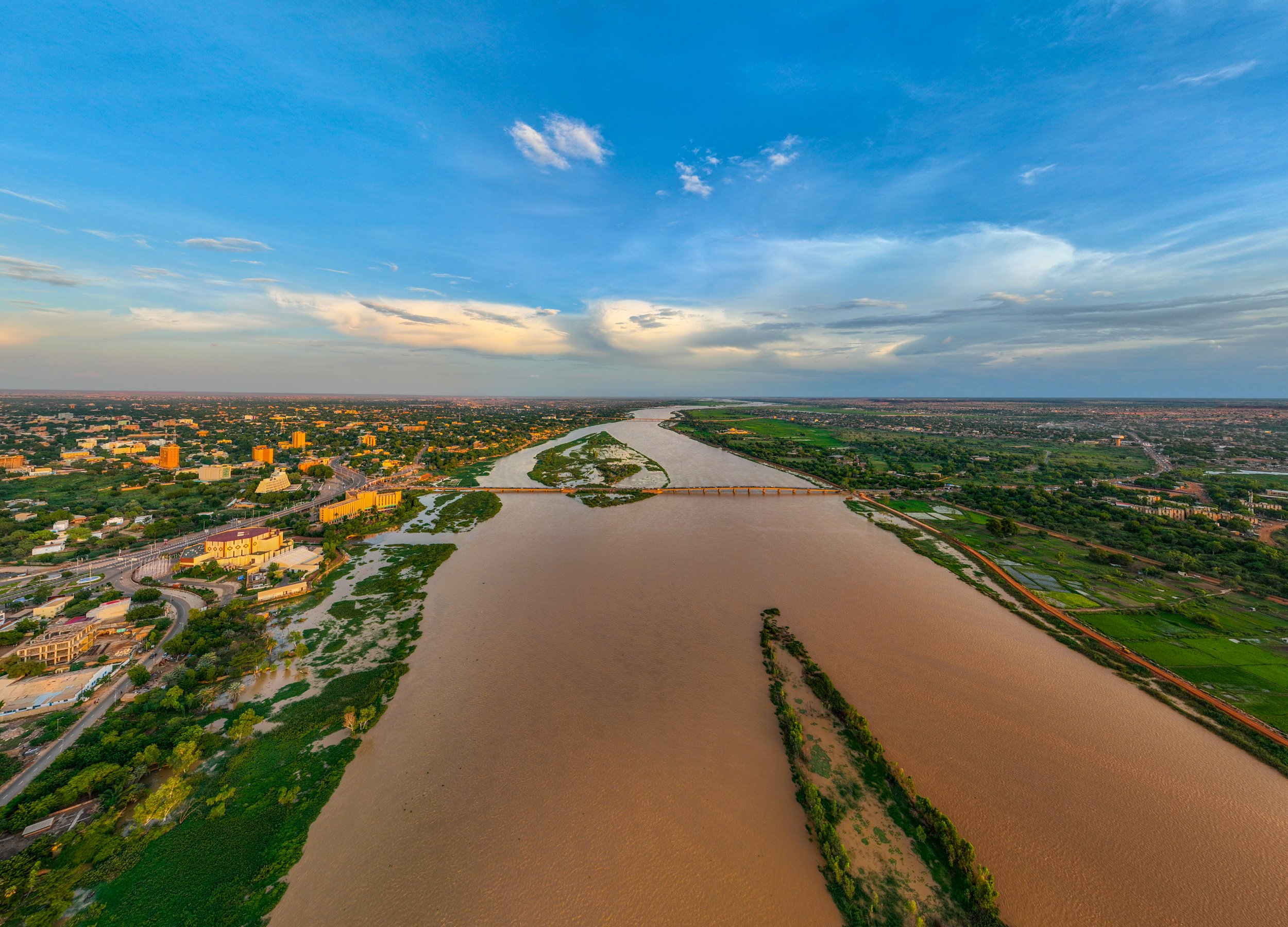
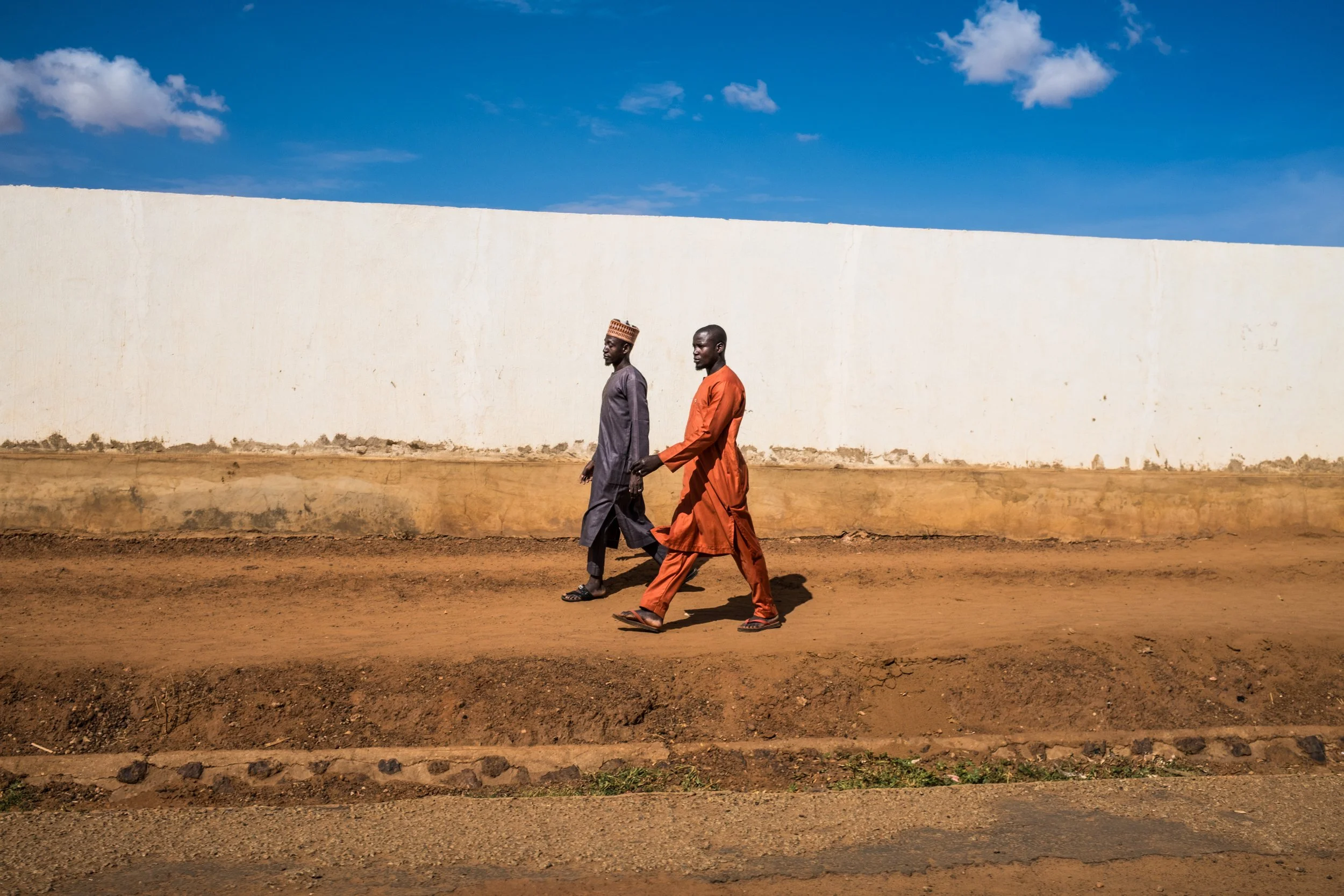
To document one of the most ambitious fossil hunts ever attempted, Tommy traveled deep into the Sahara Desert of Niger to join photographer Keith Ladzinski and paleontologist Paul Sereno as they excavated dinosaur remains from 95-million-year-old rock layers. Working in scorching heat and extreme isolation, the expedition uncovered remarkable fossils, including evidence of massive predatory dinosaurs once roaming the region. Through video and photography, Tommy captured the grit, science and adventure behind the search for prehistoric life in one of the world’s harshest environments.


2021: Tupungato Volcano
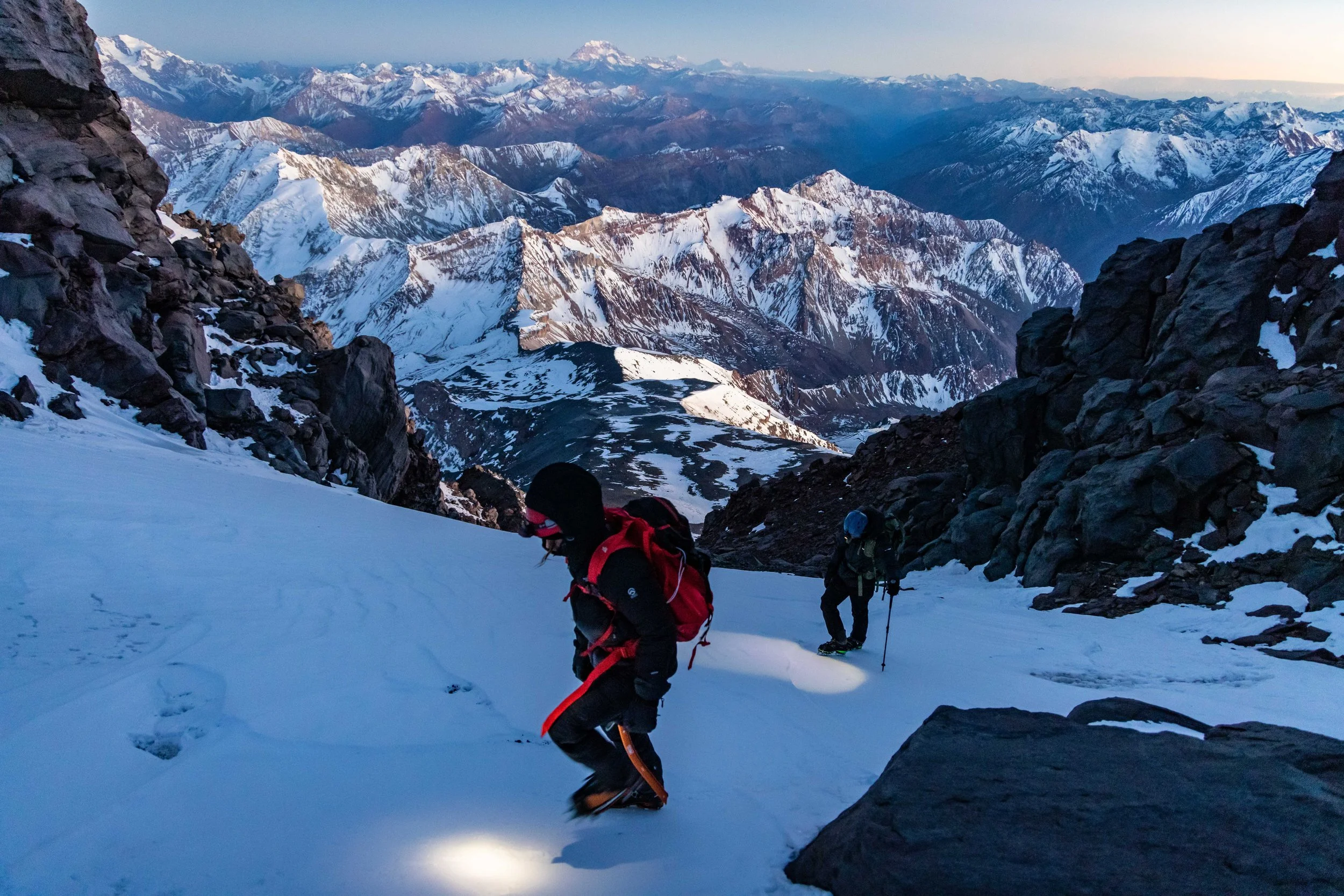
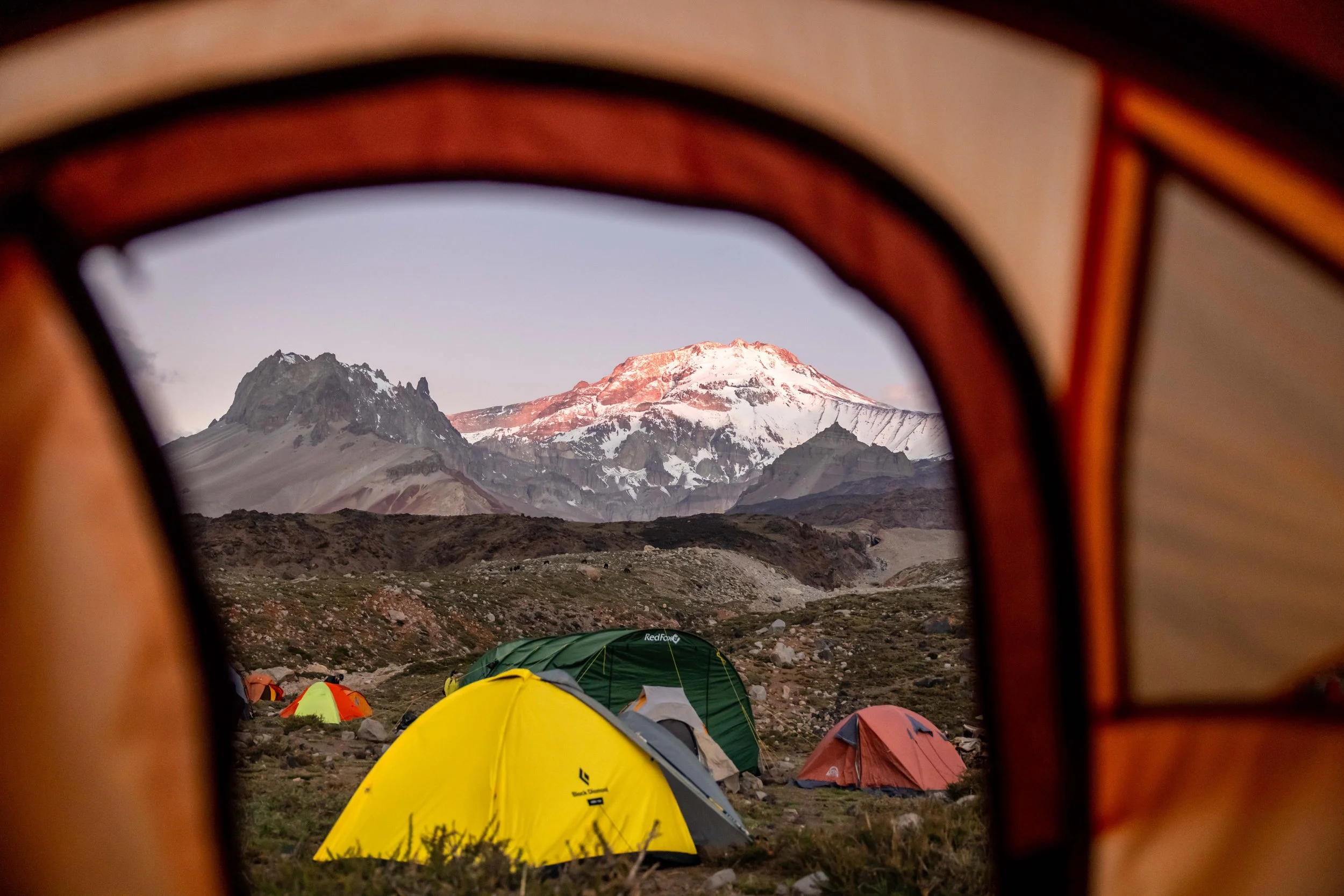
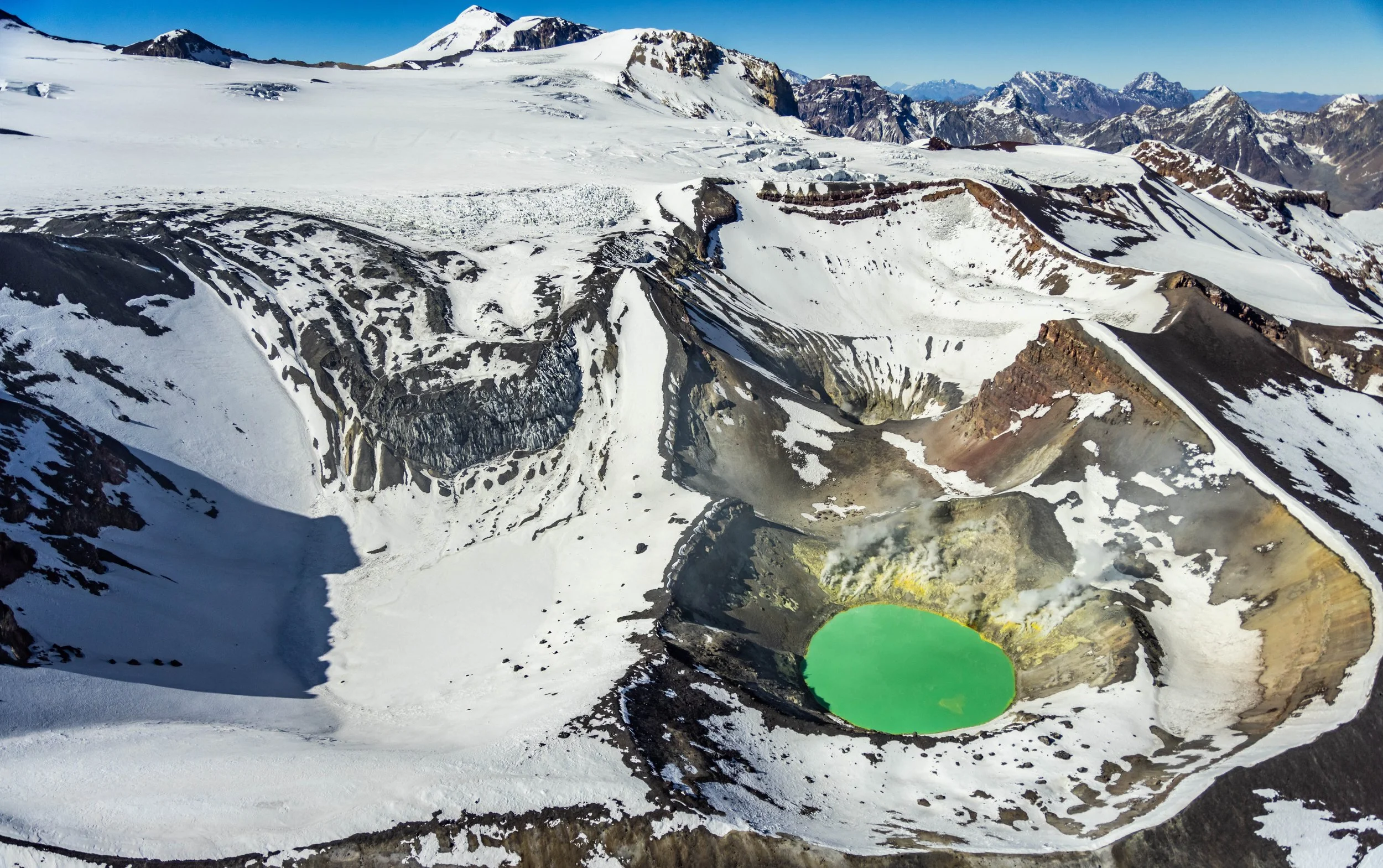
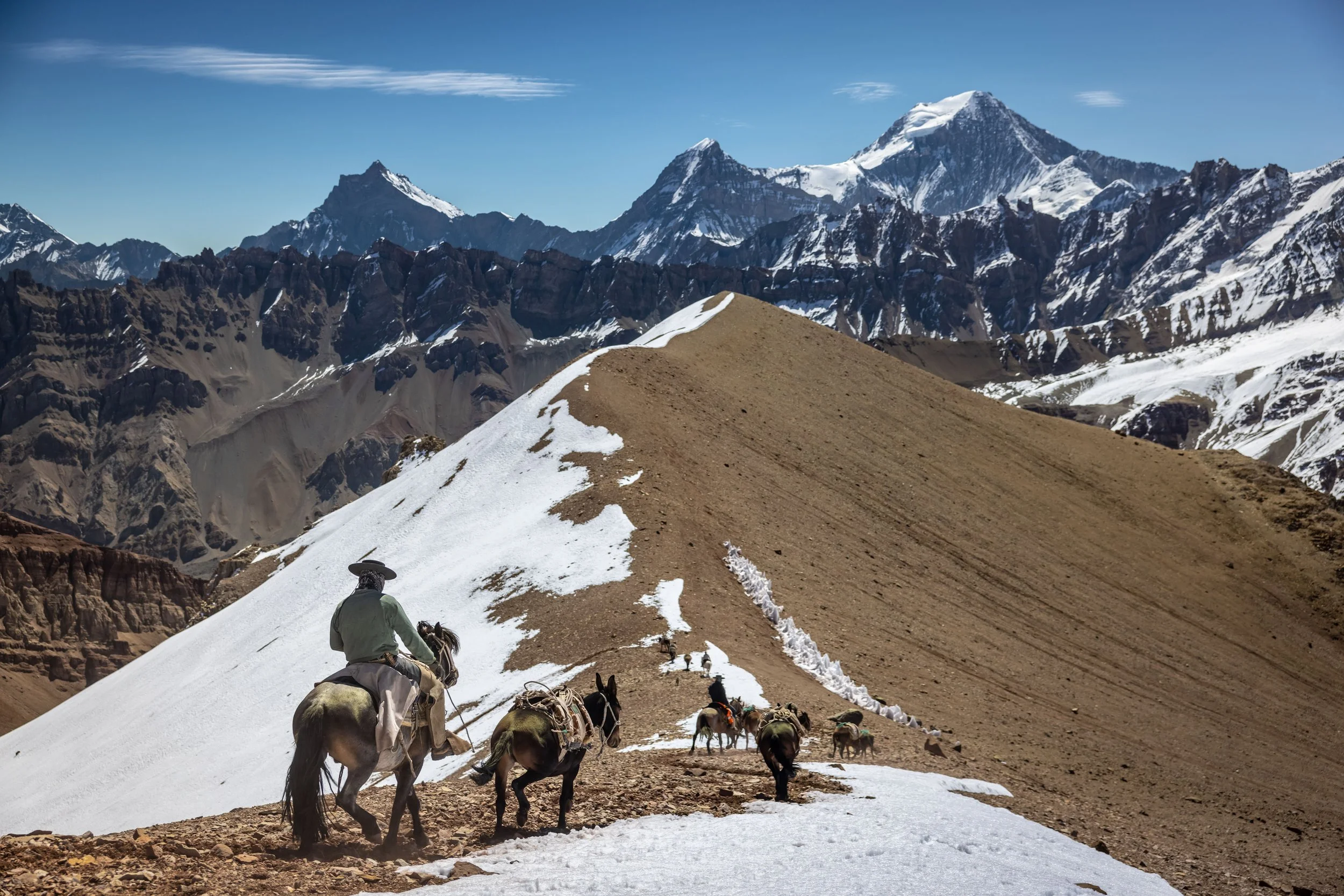
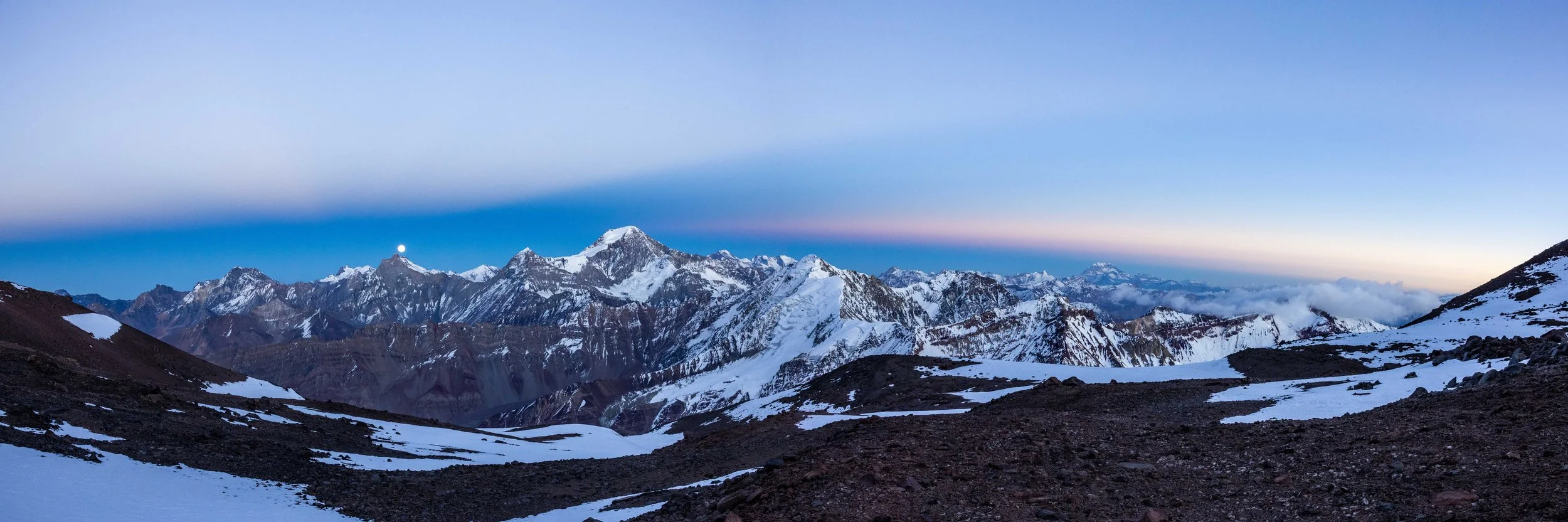
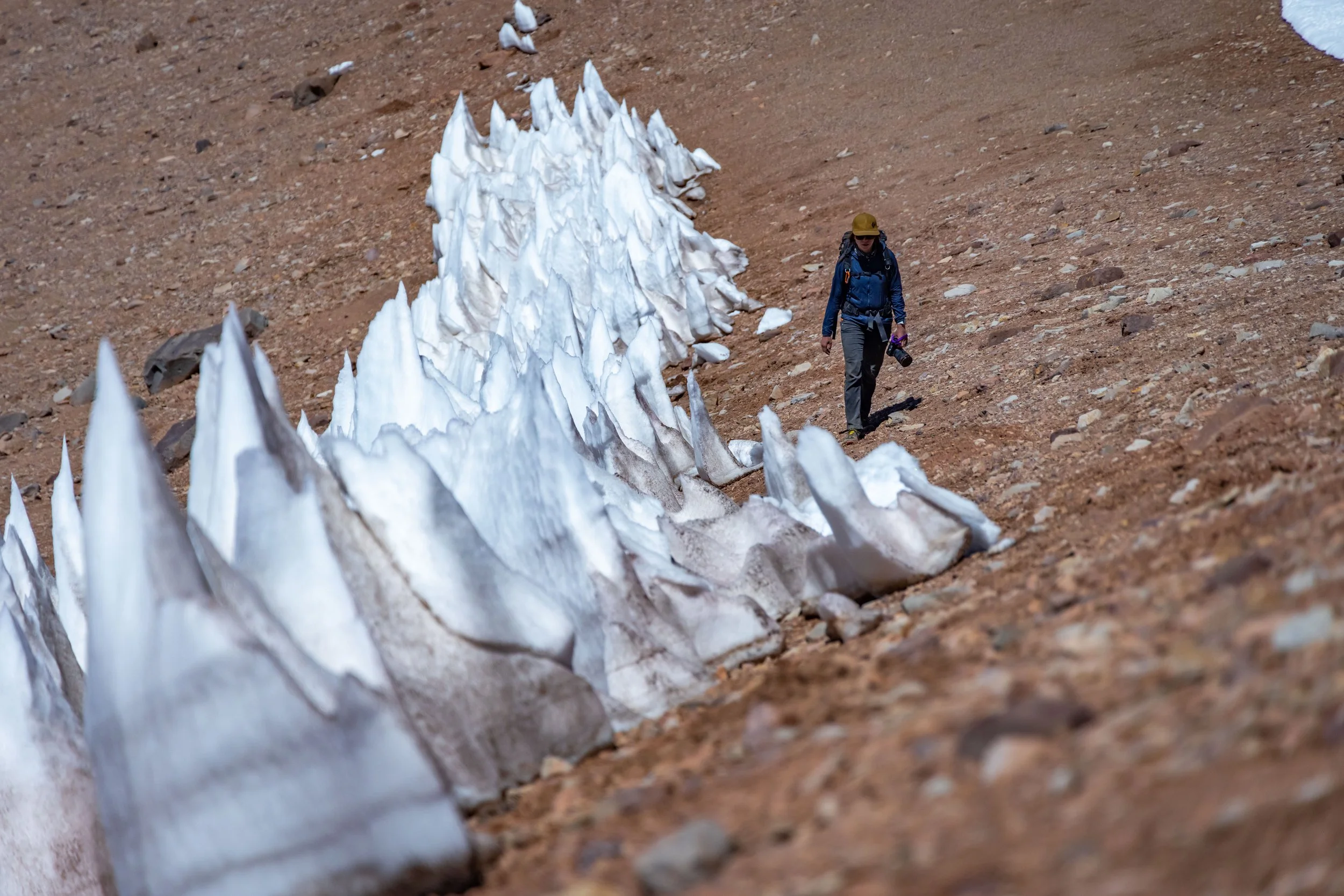
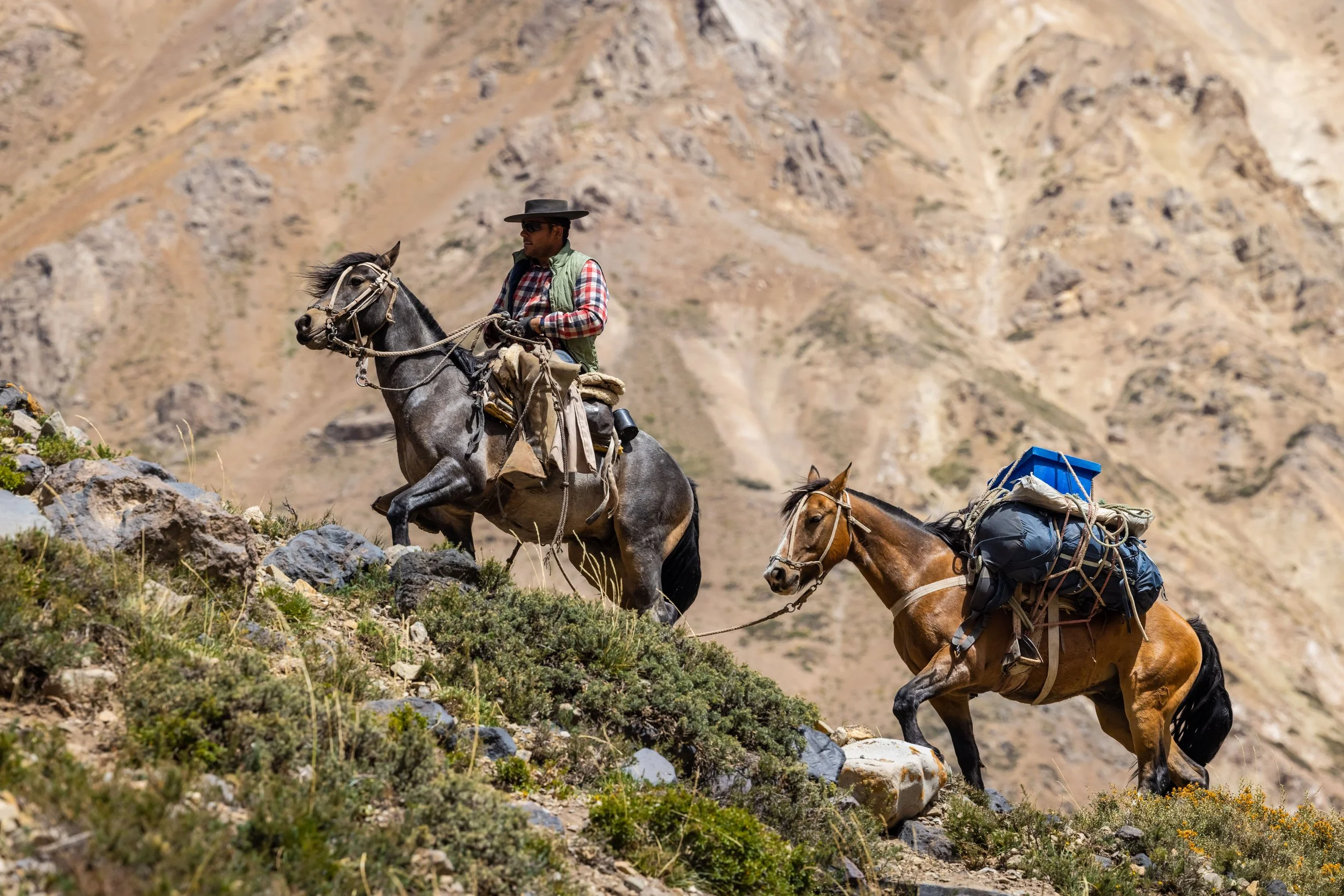
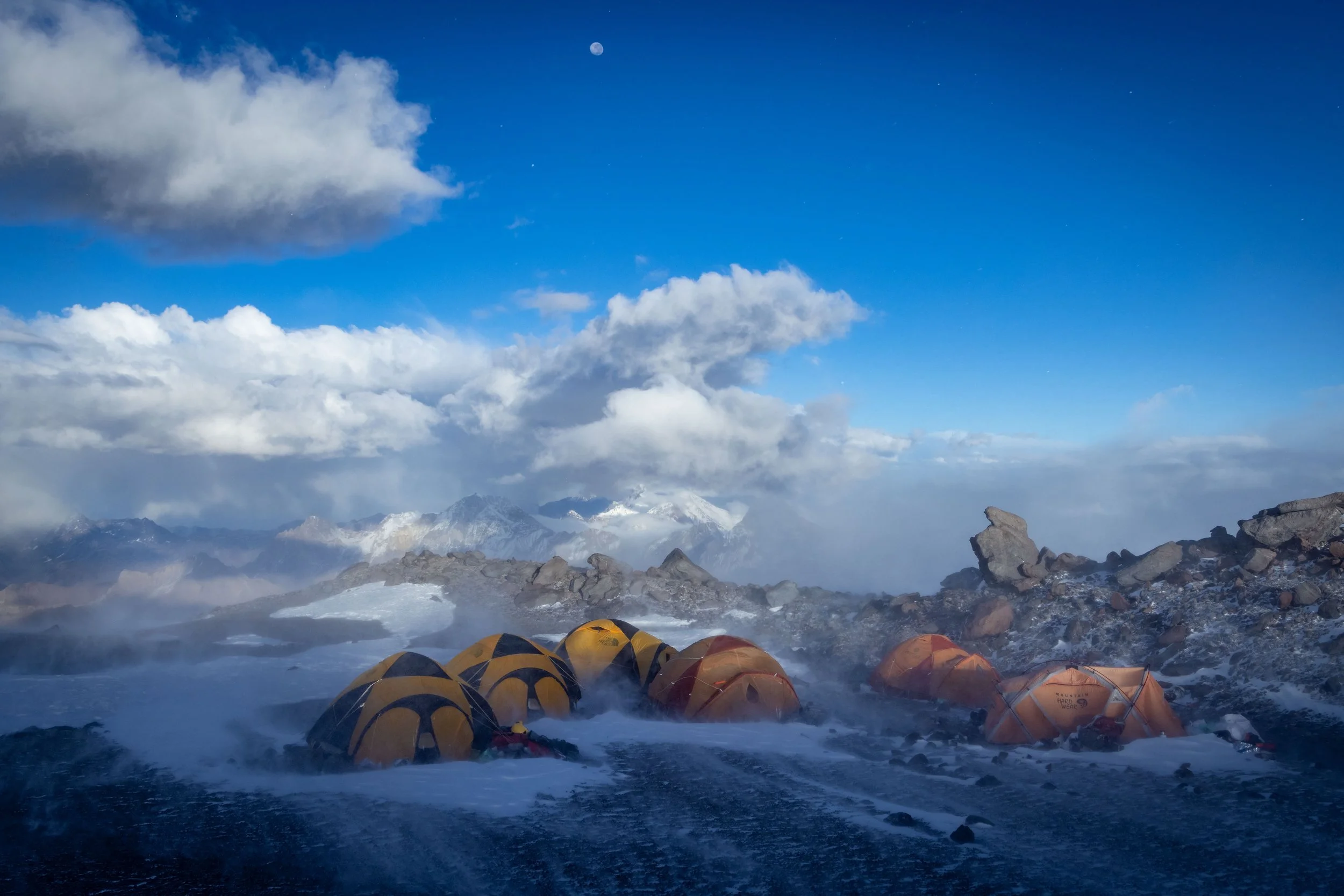
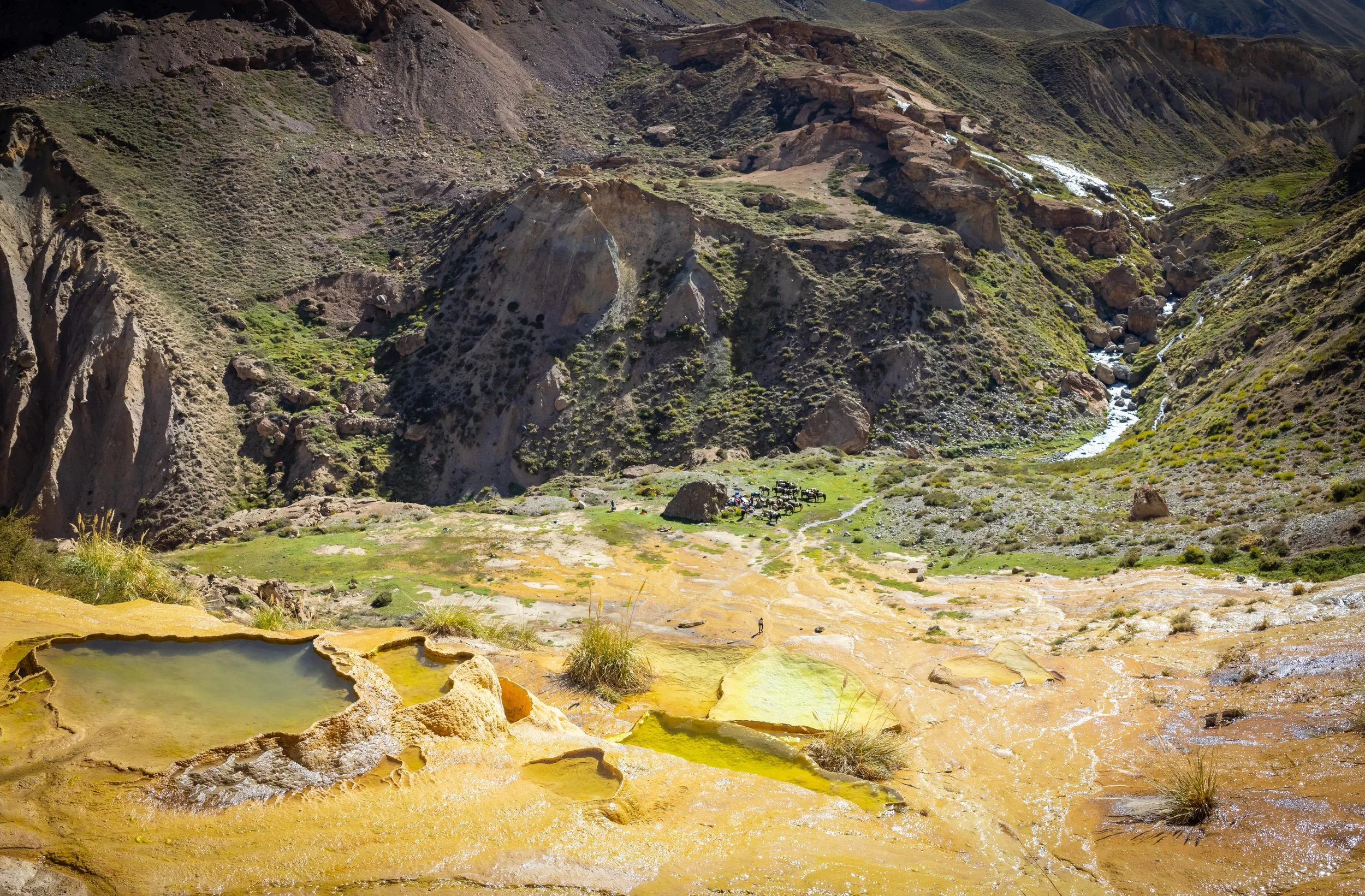
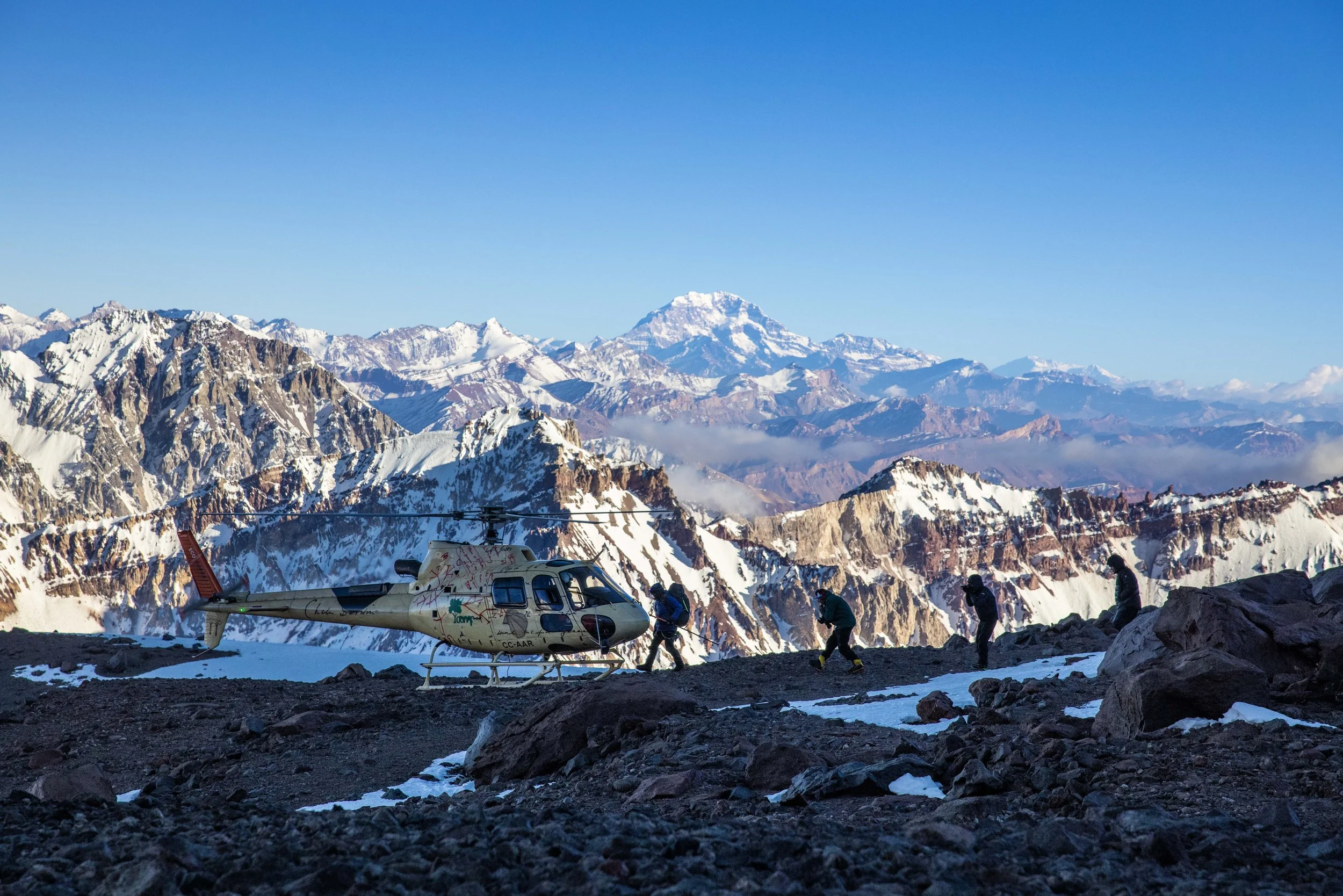
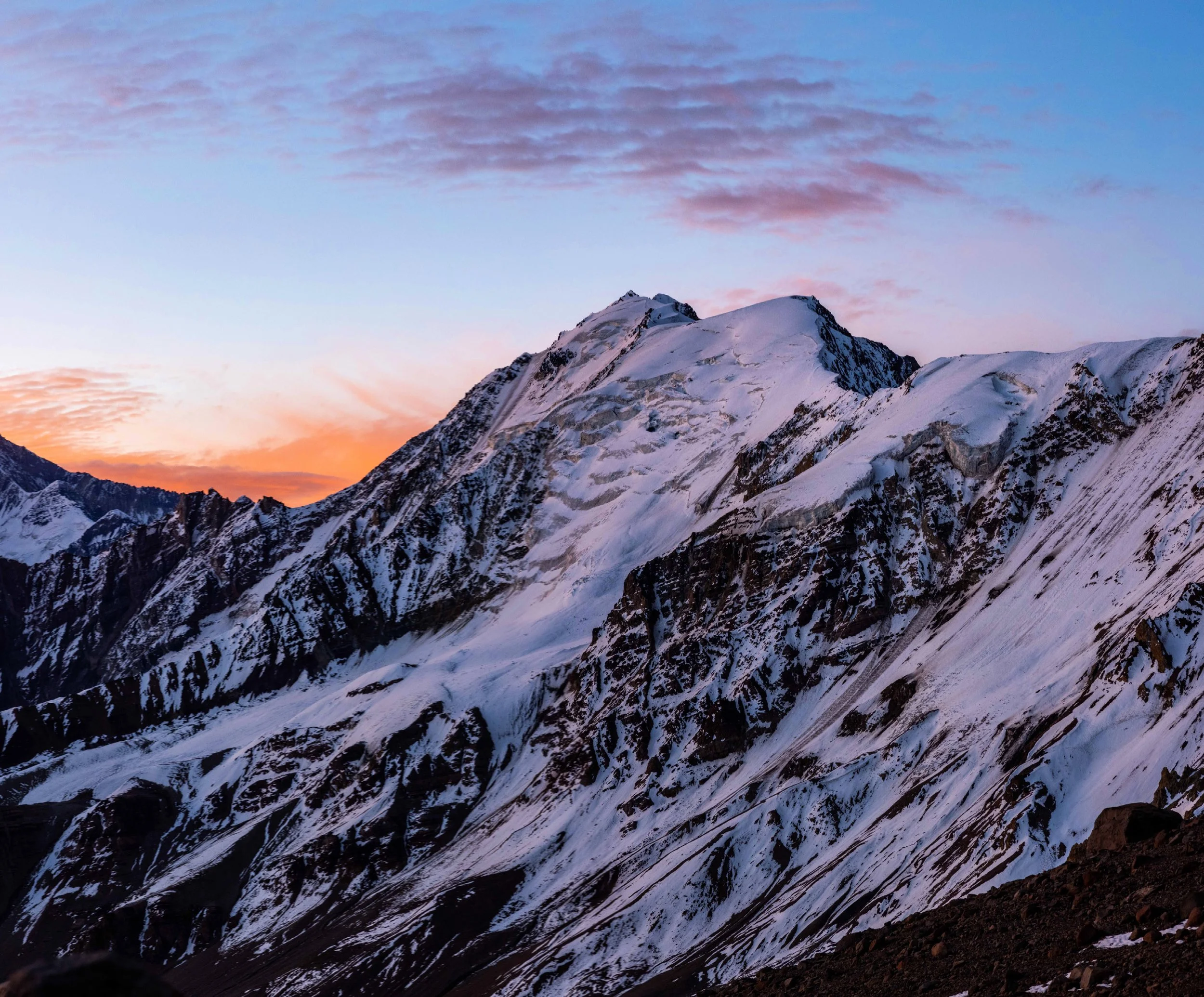
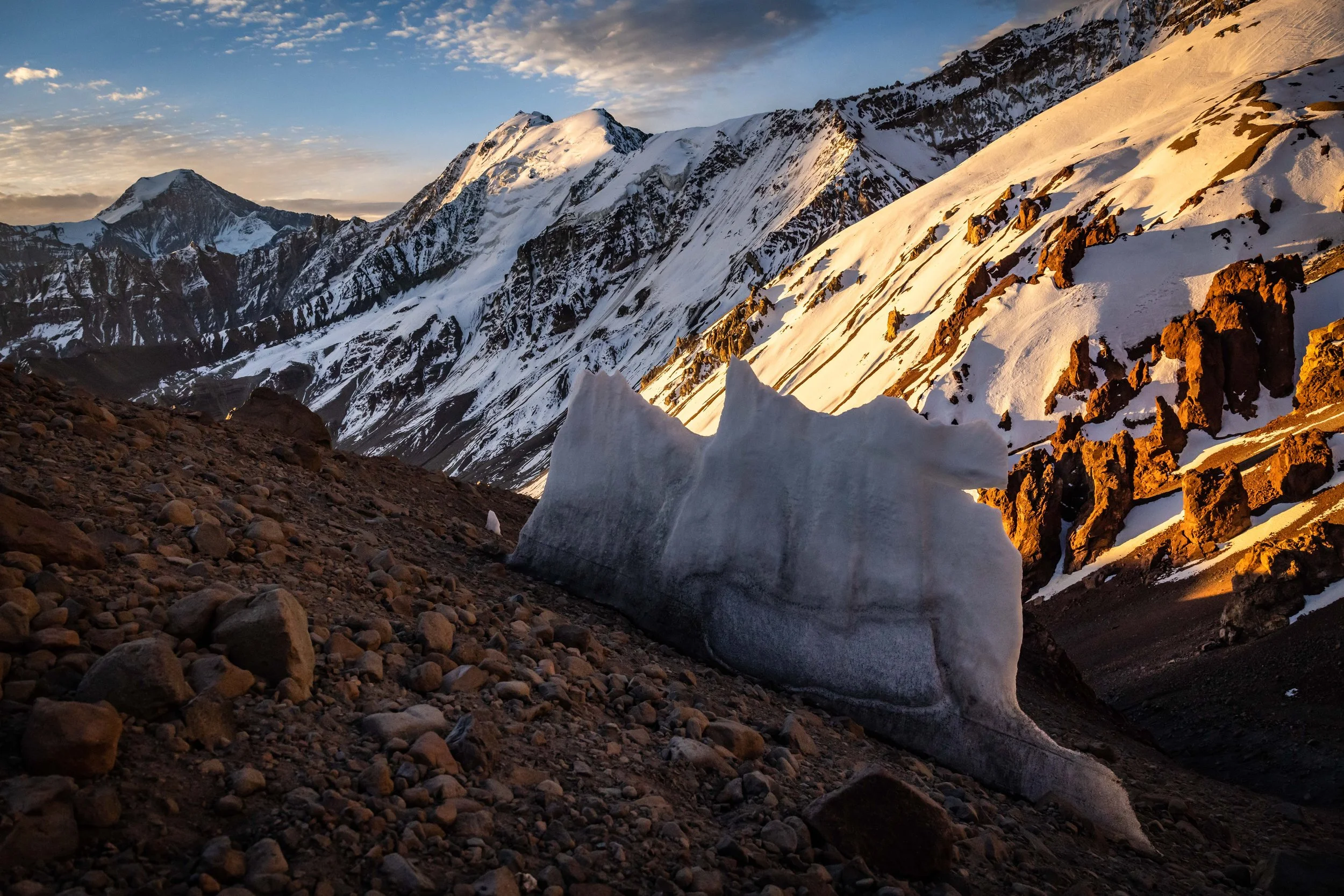
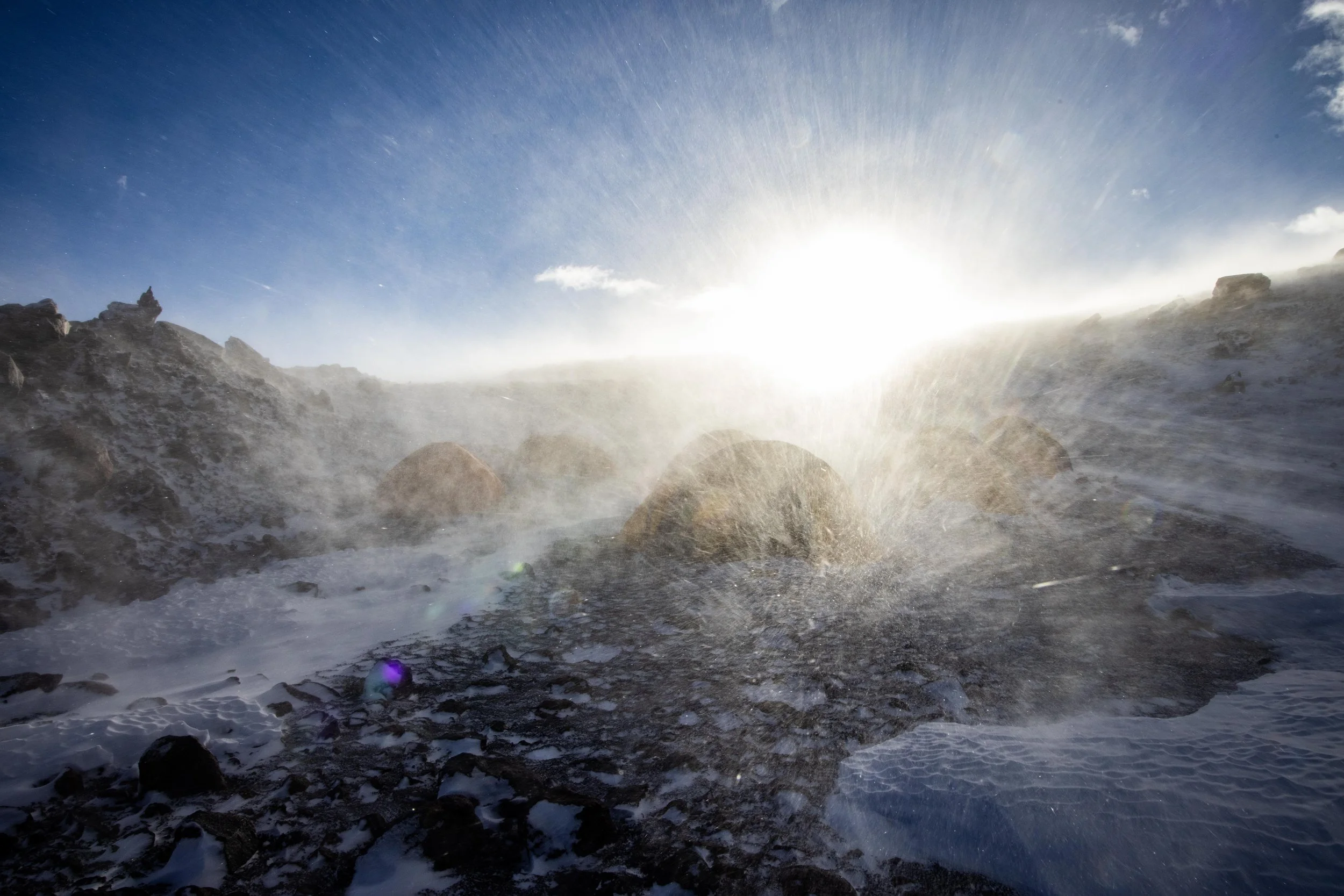
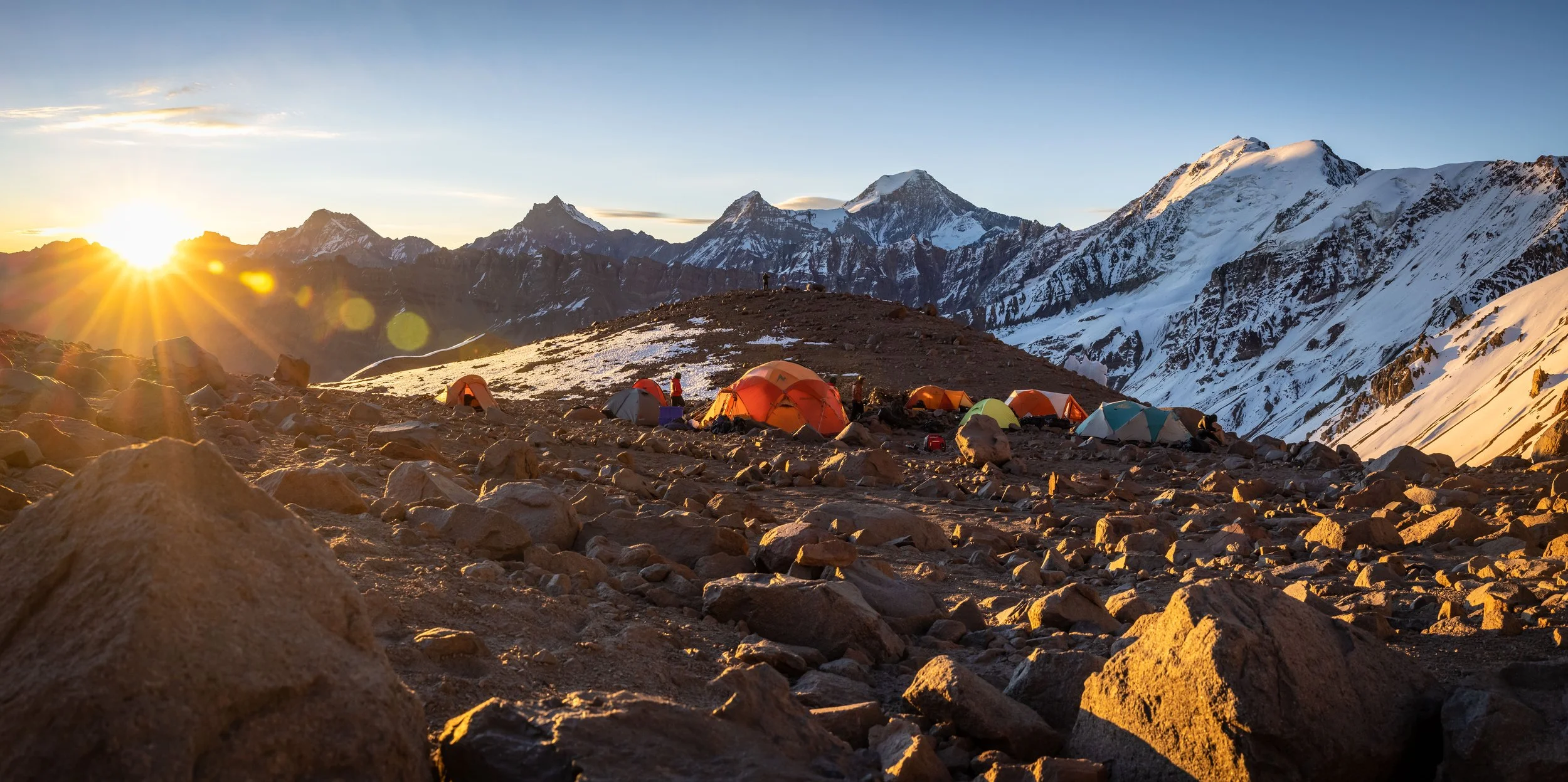
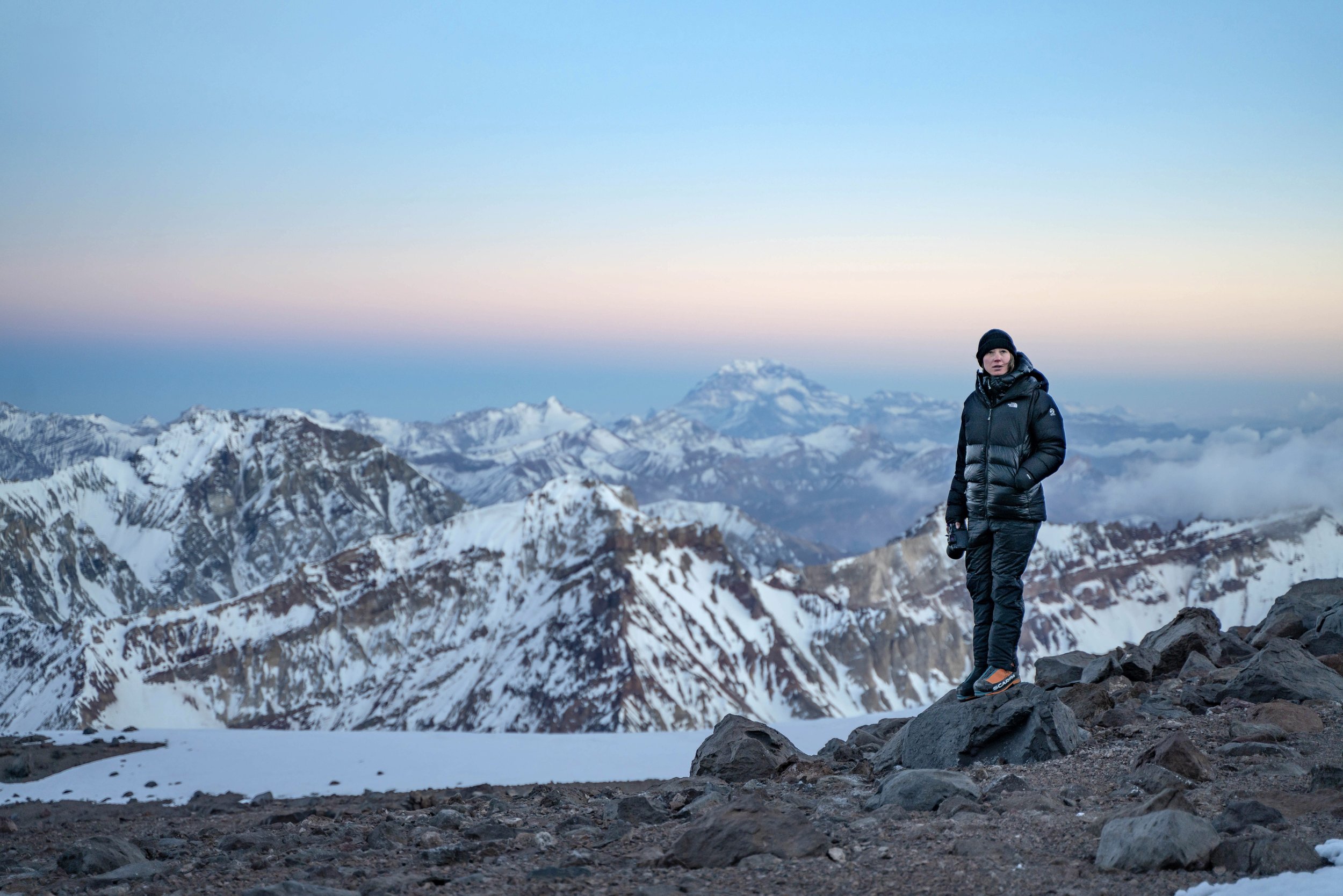
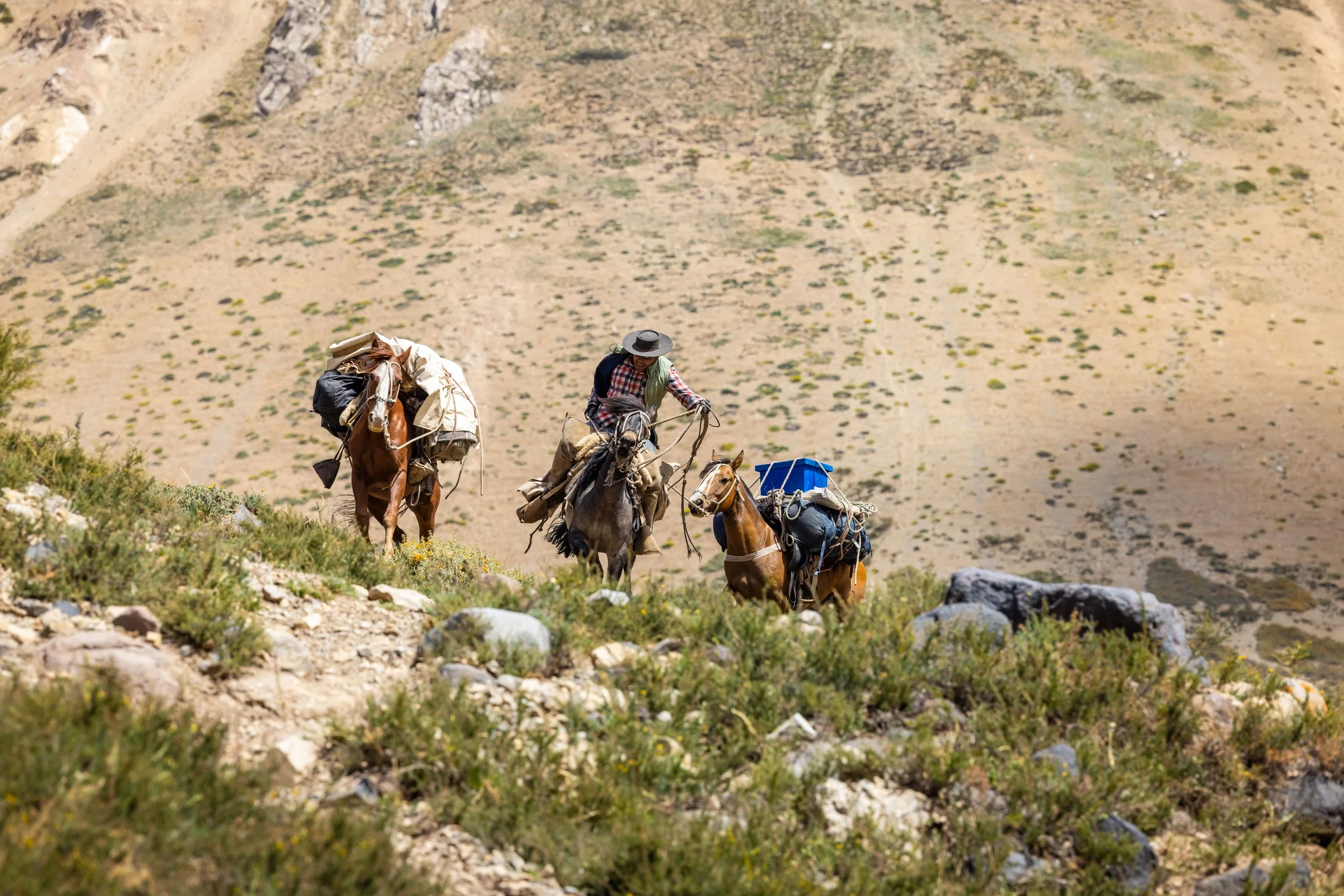
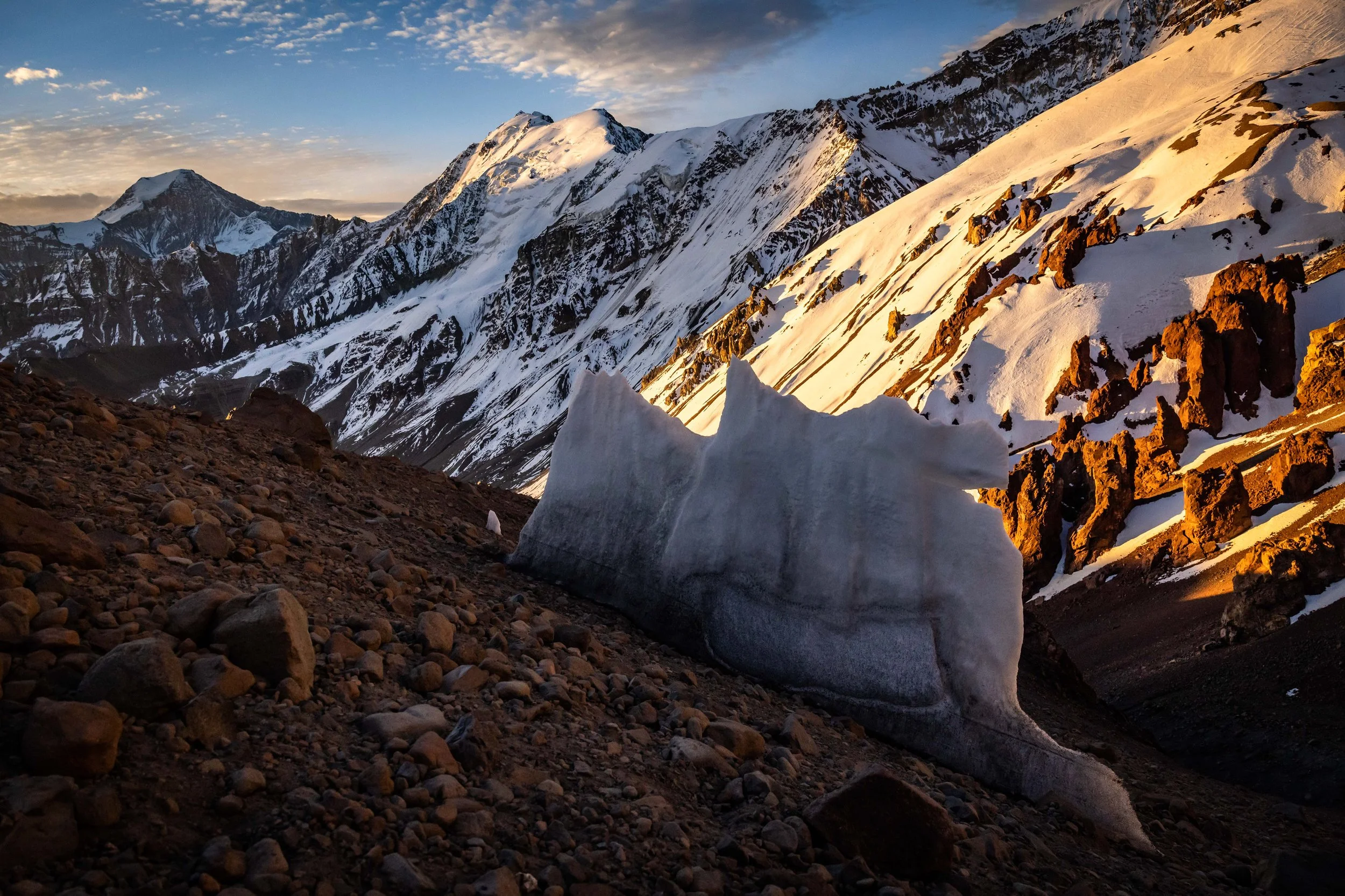
As part of the National Geographic and Rolex Perpetual Planet expedition, Britt traveled high into the Andes to help document the installation of the highest weather station in the Southern and Western Hemispheres on Chile’s Tupungato Volcano. Working alongside scientists and climbers at extreme altitude, the team carried equipment toward the summit to collect critical climate data from one of South America’s most critical freshwater sources, helping researchers better understand how climate change is reshaping water supplies for the millions of people who live below.
2021: Saving Forests
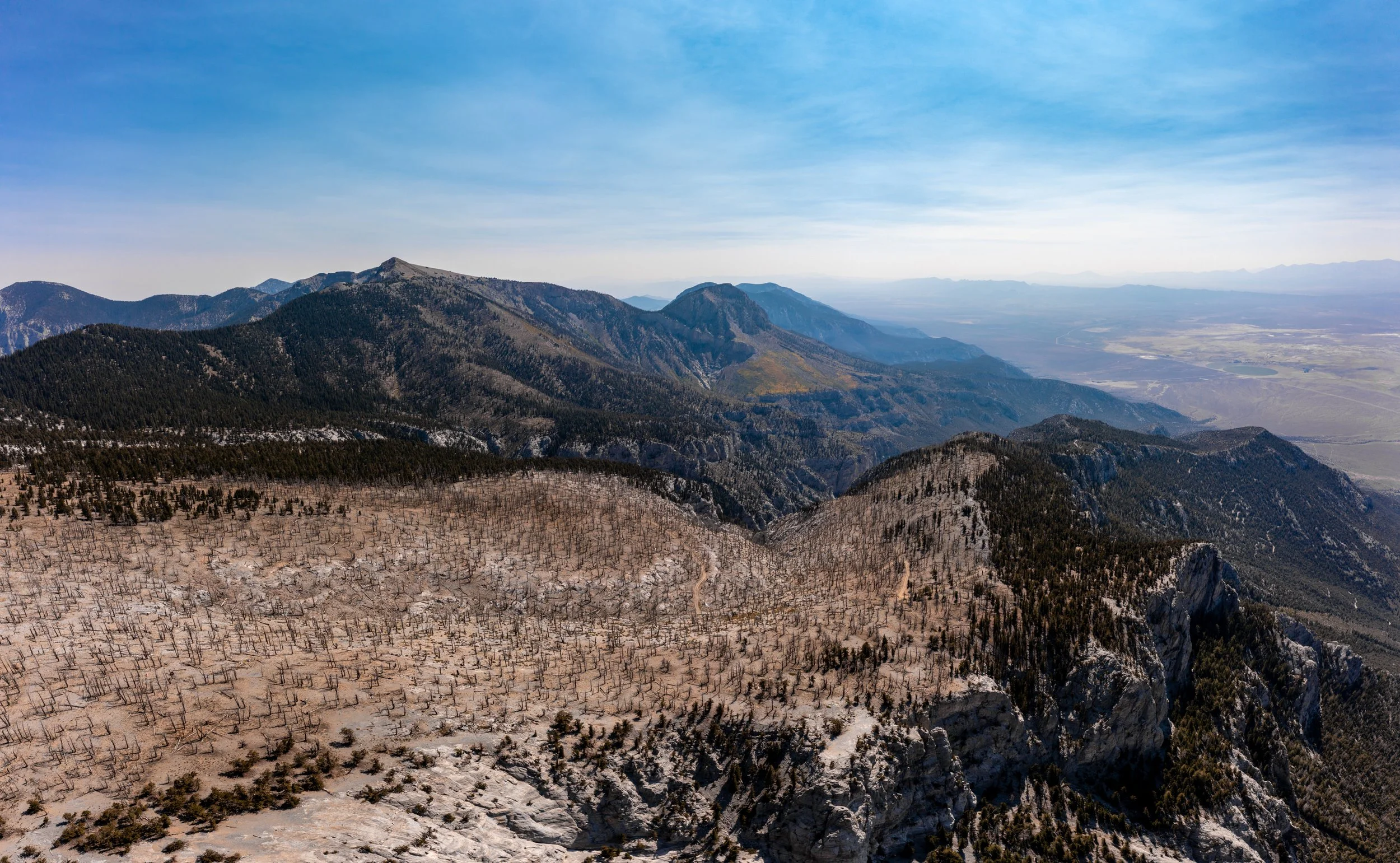
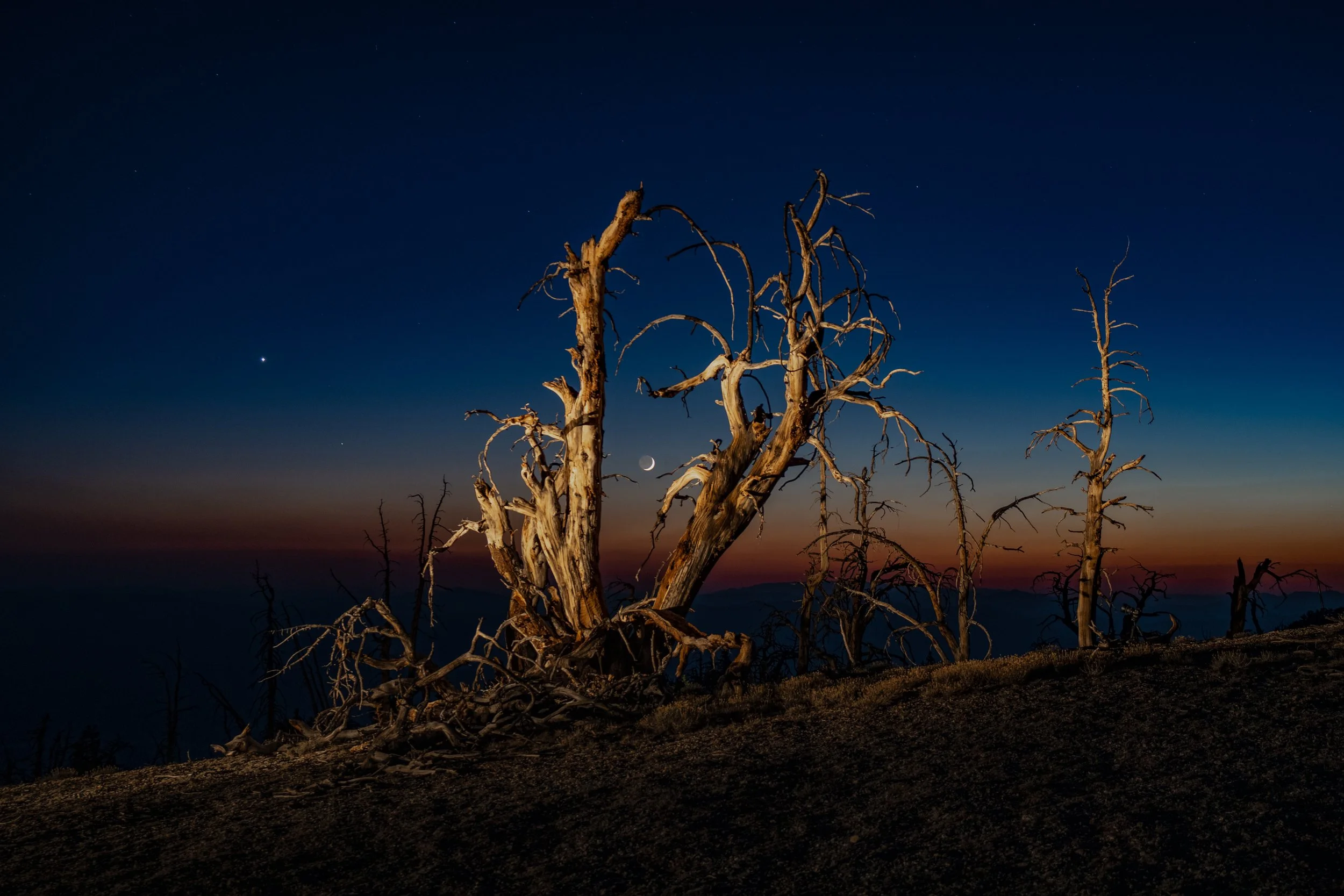
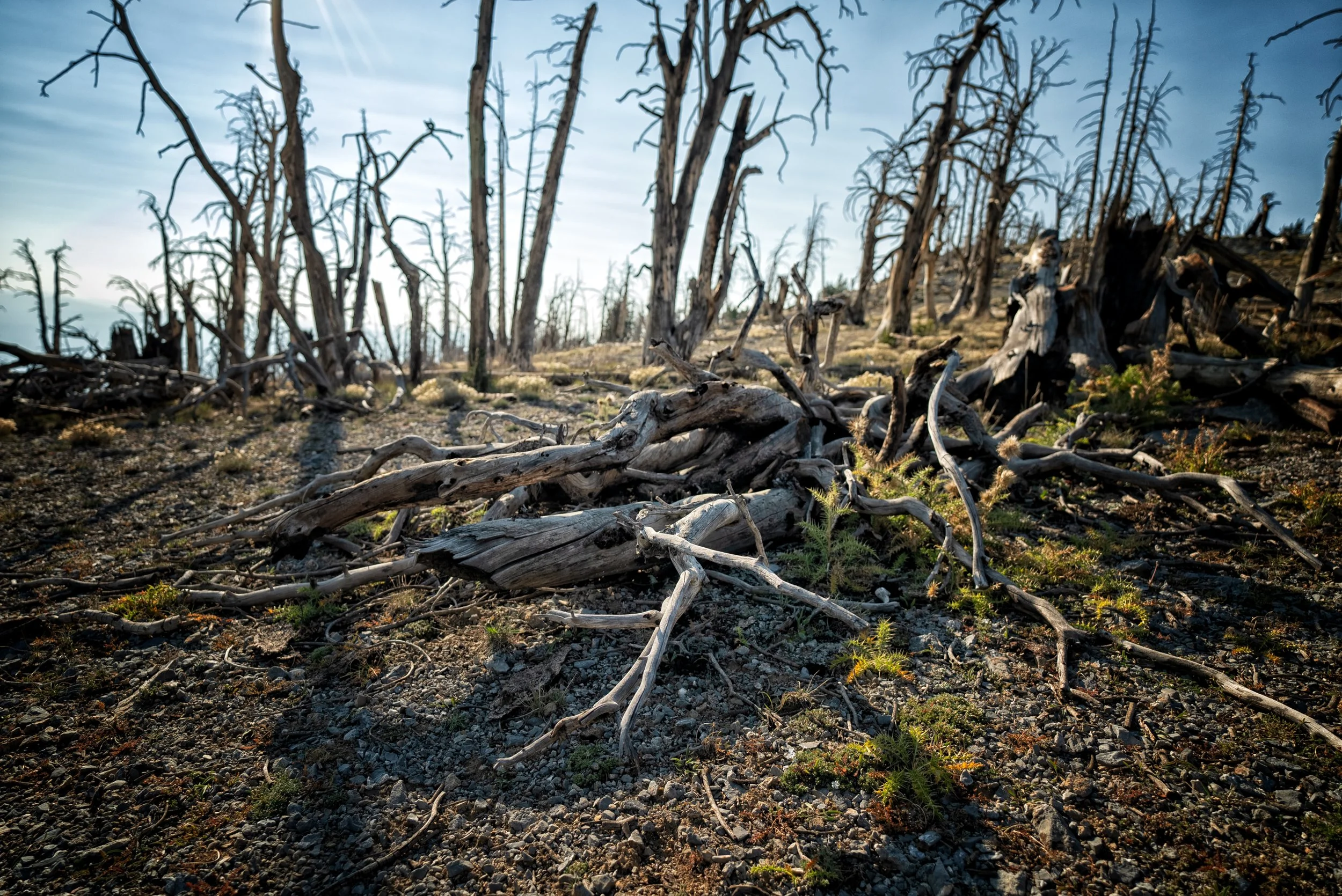
For this National Geographic cover story, Tommy helped Keith Ladzinski document the global fight to protect Earth’s forests, ecosystems that support most terrestrial biodiversity yet continue to shrink under pressure from logging, agriculture and climate change. Traveling to capture imagery that illustrates both loss and resilience, the project visualizes decades of change across the planet’s forests, revealing where the world is losing vital landscapes and where conservation efforts are beginning to turn the tide.
2019: Everest
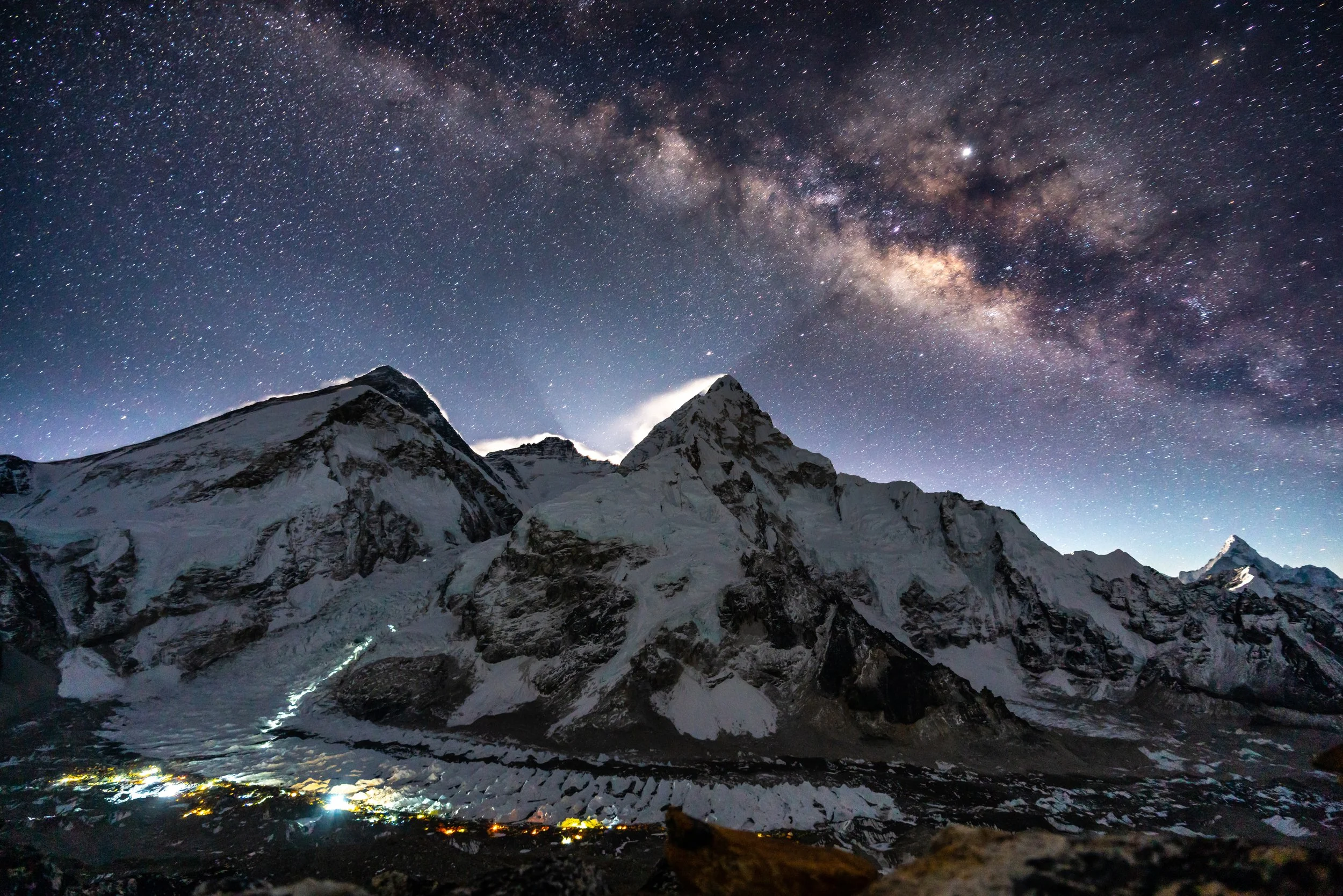
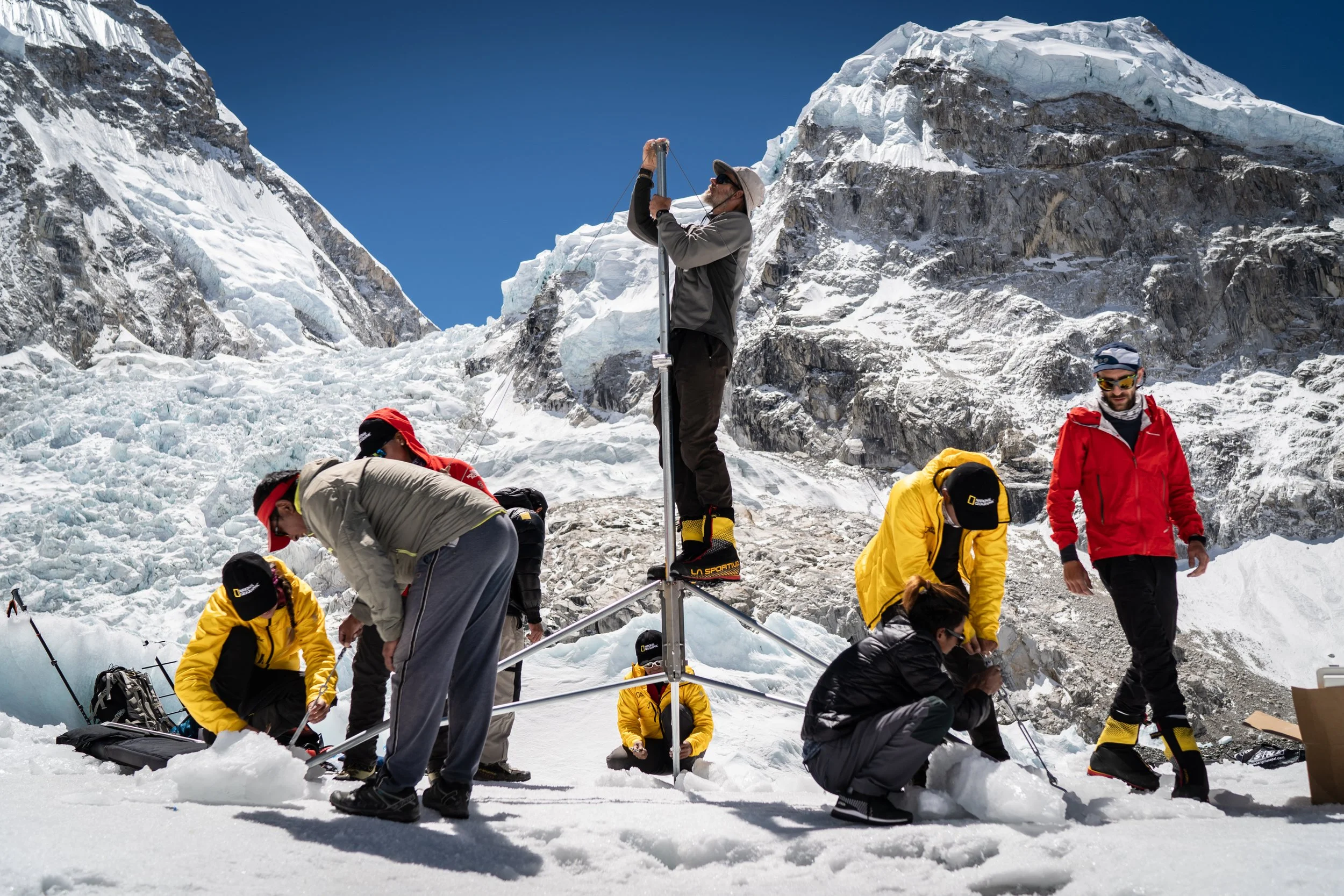
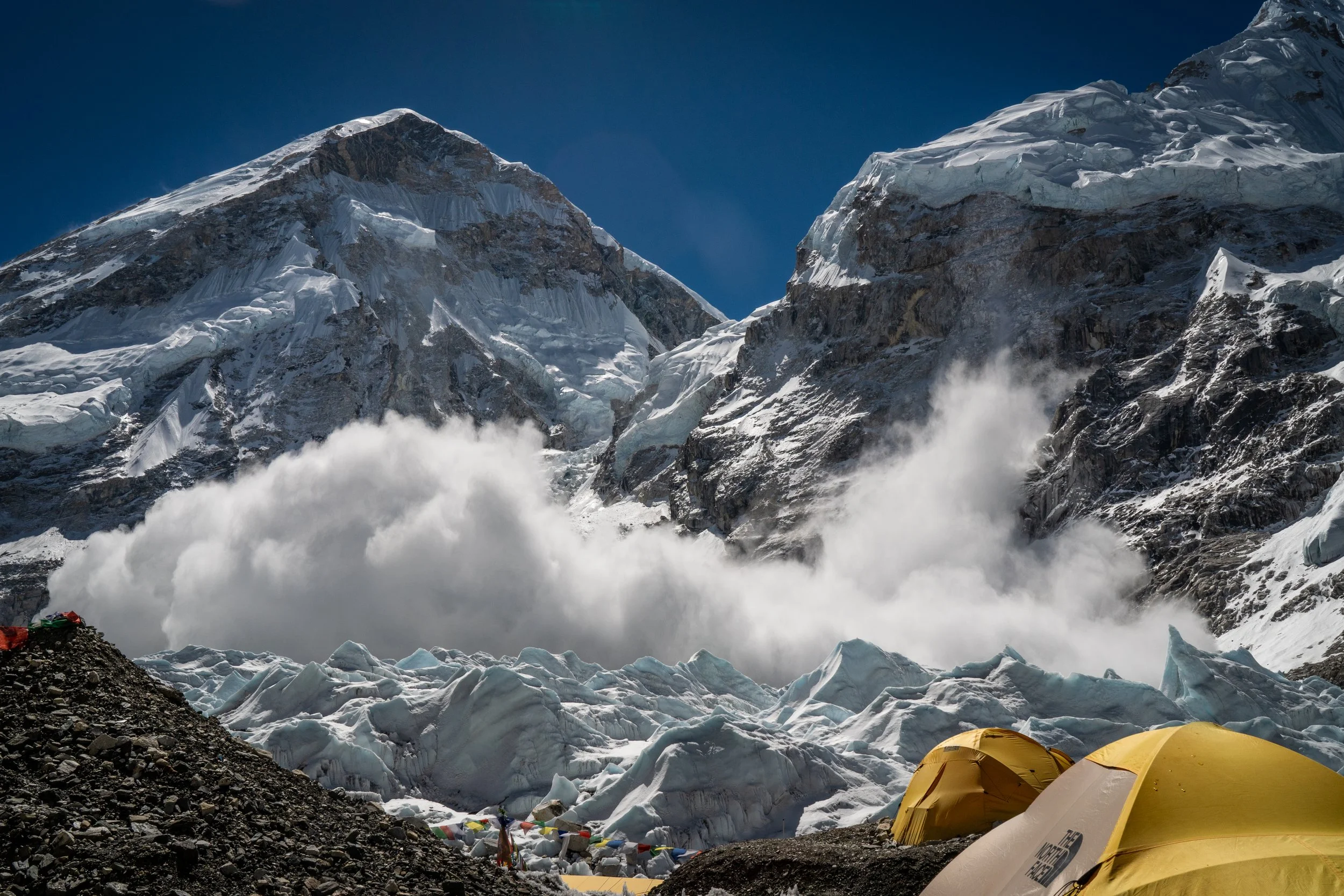
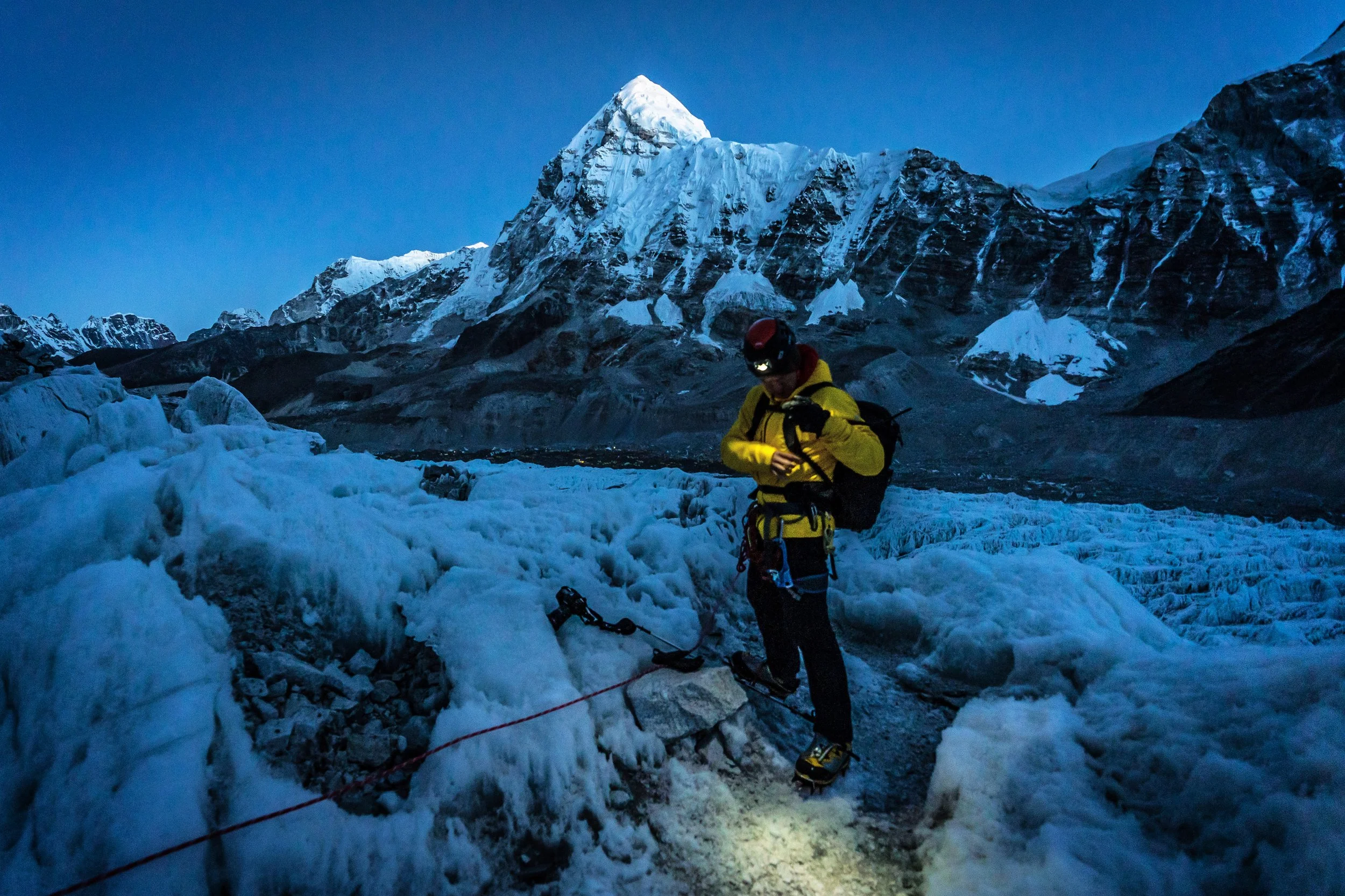
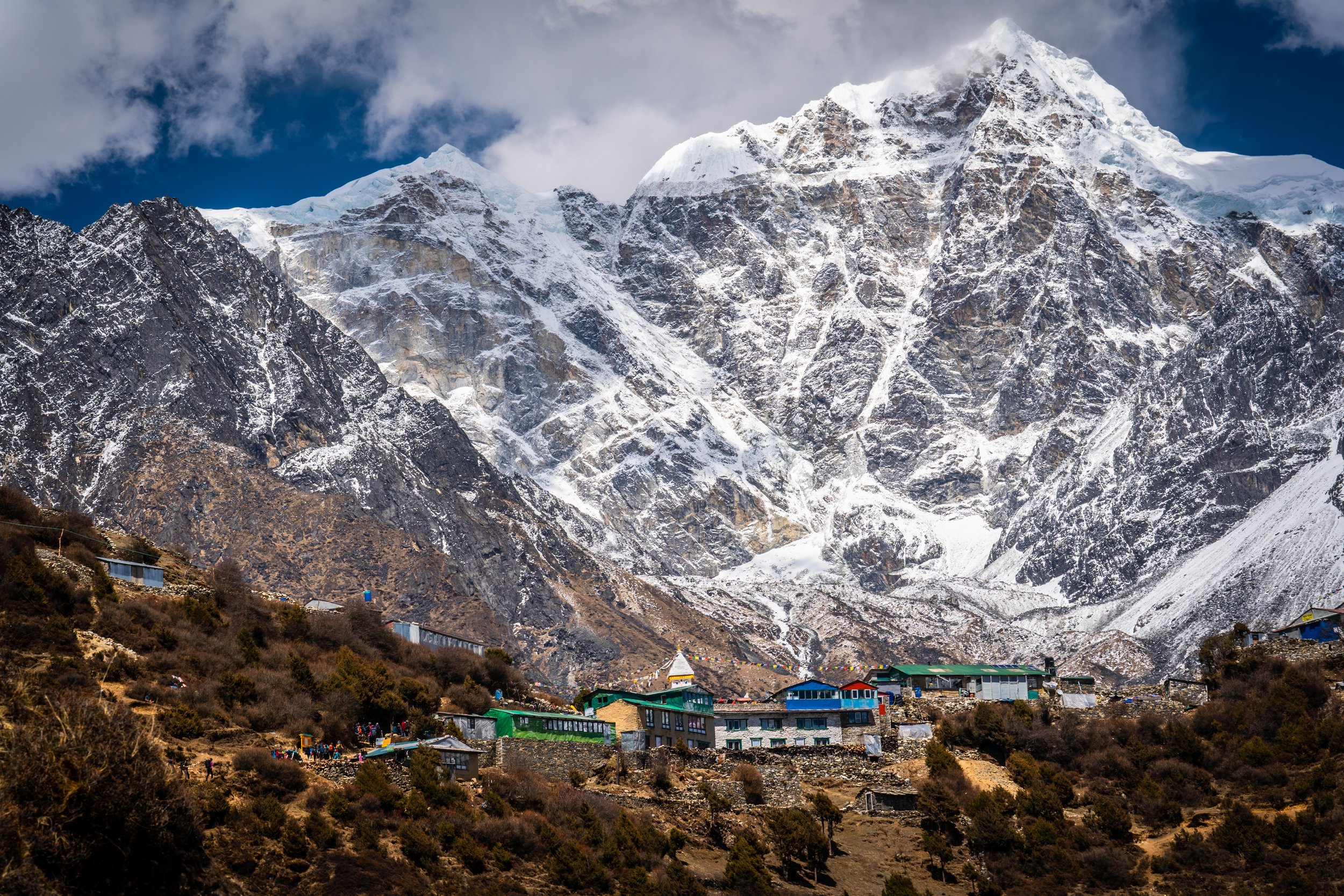
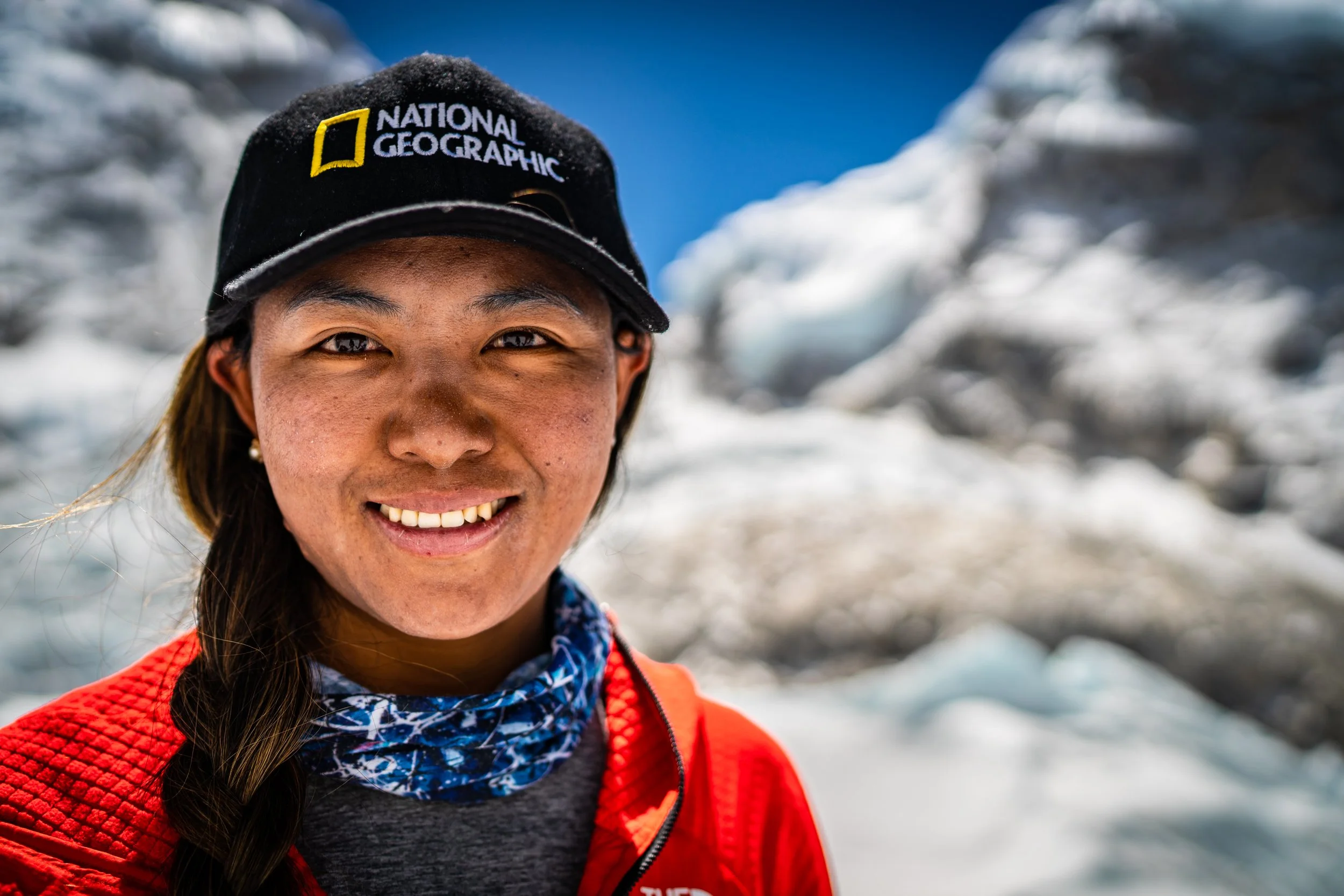
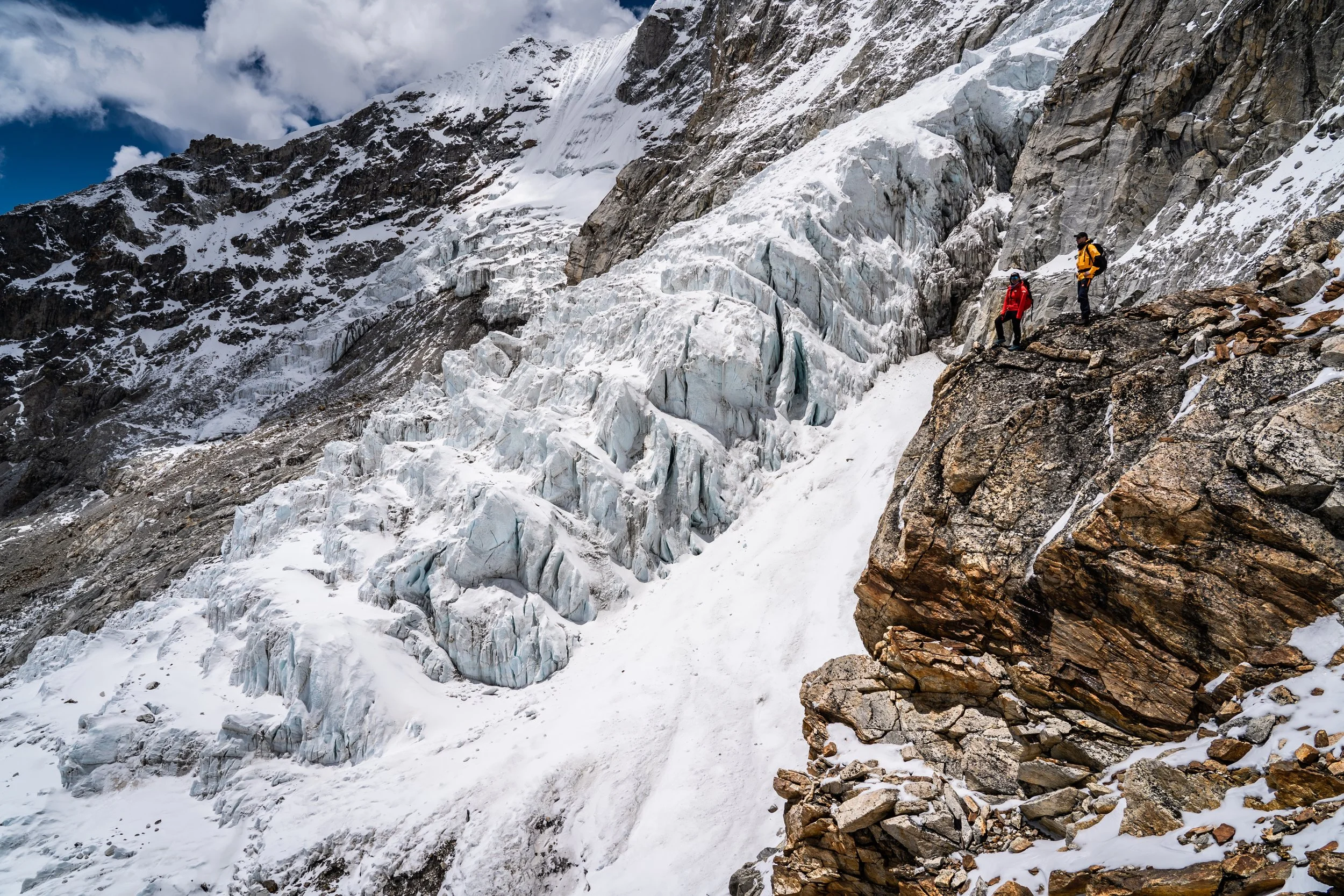
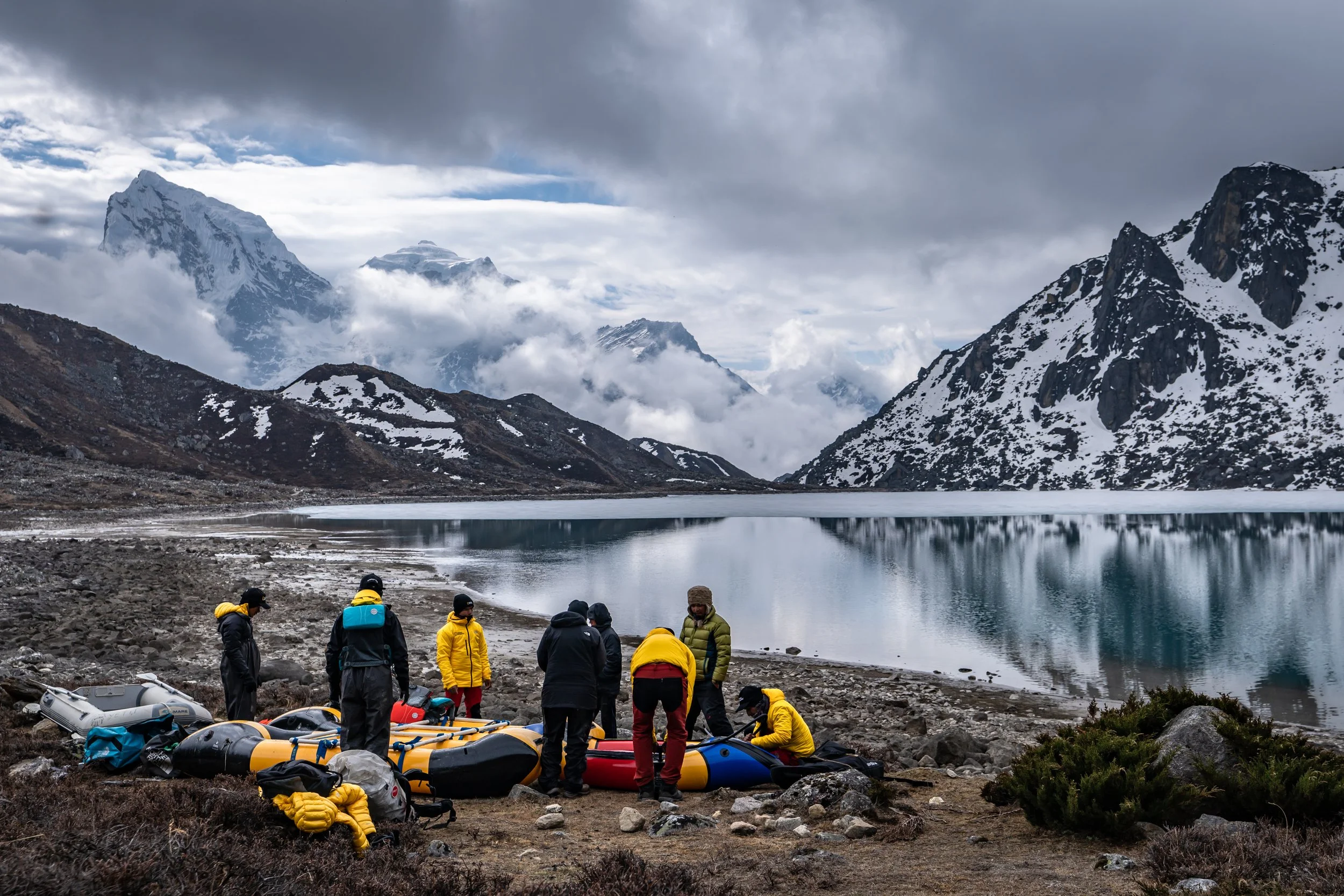
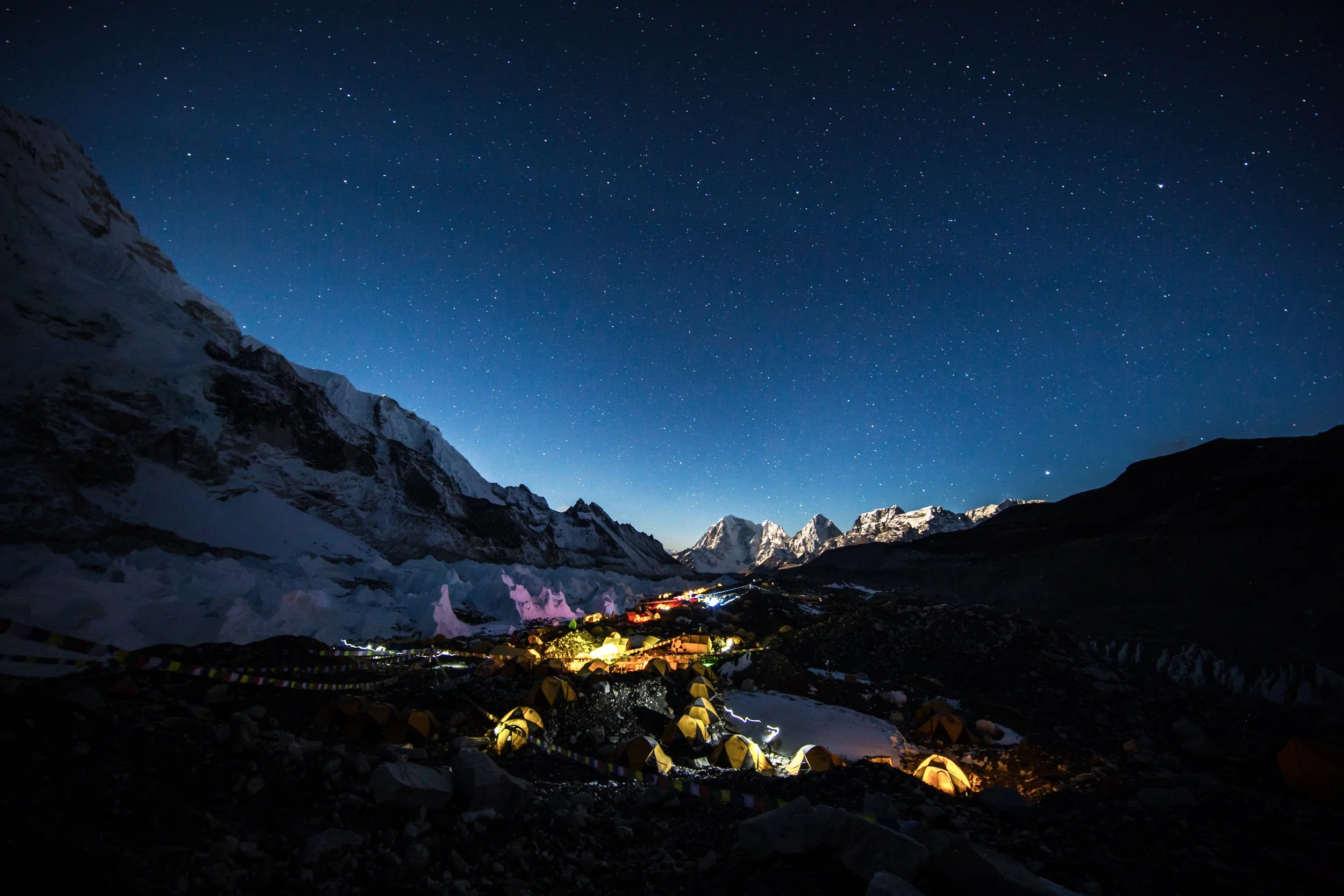
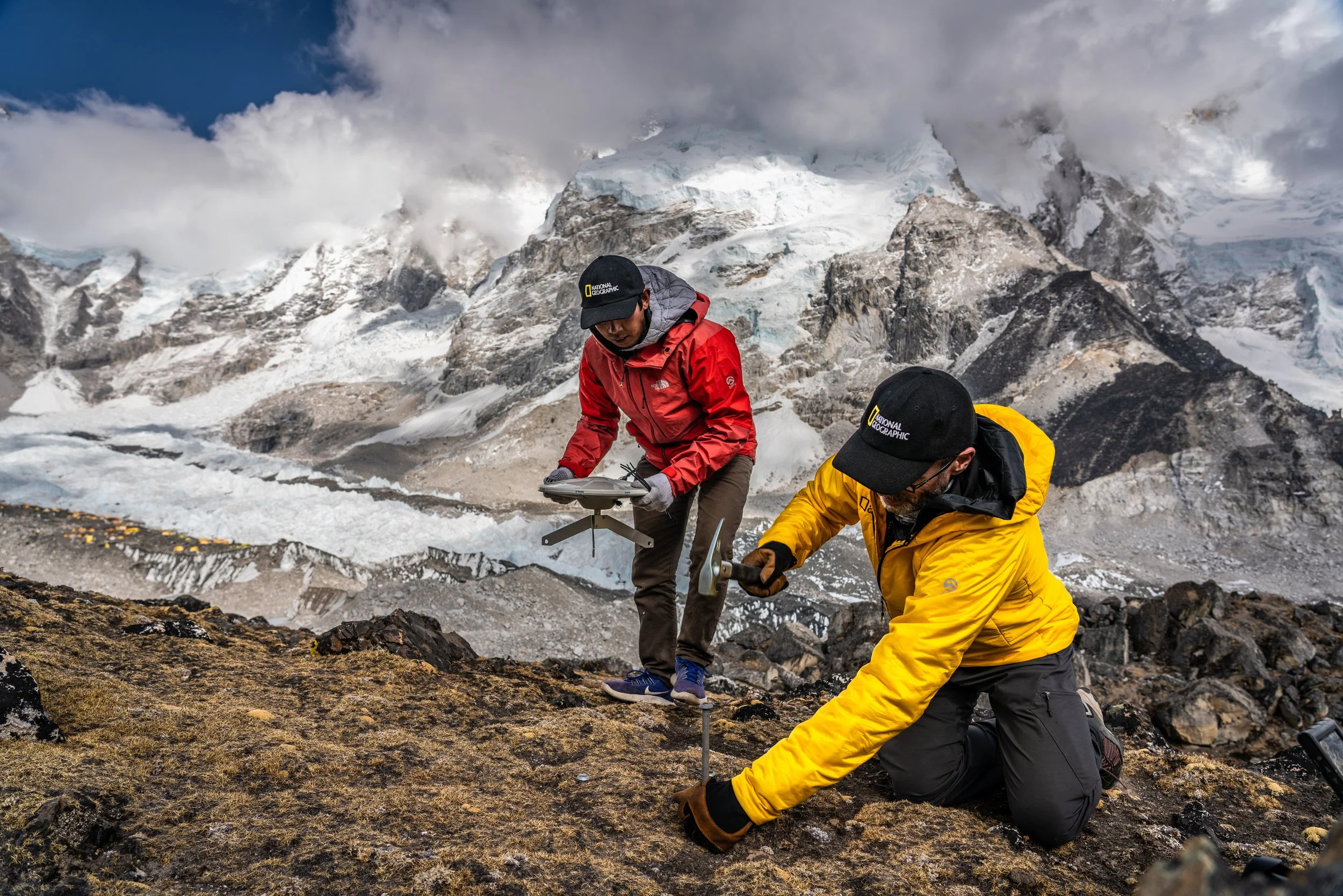
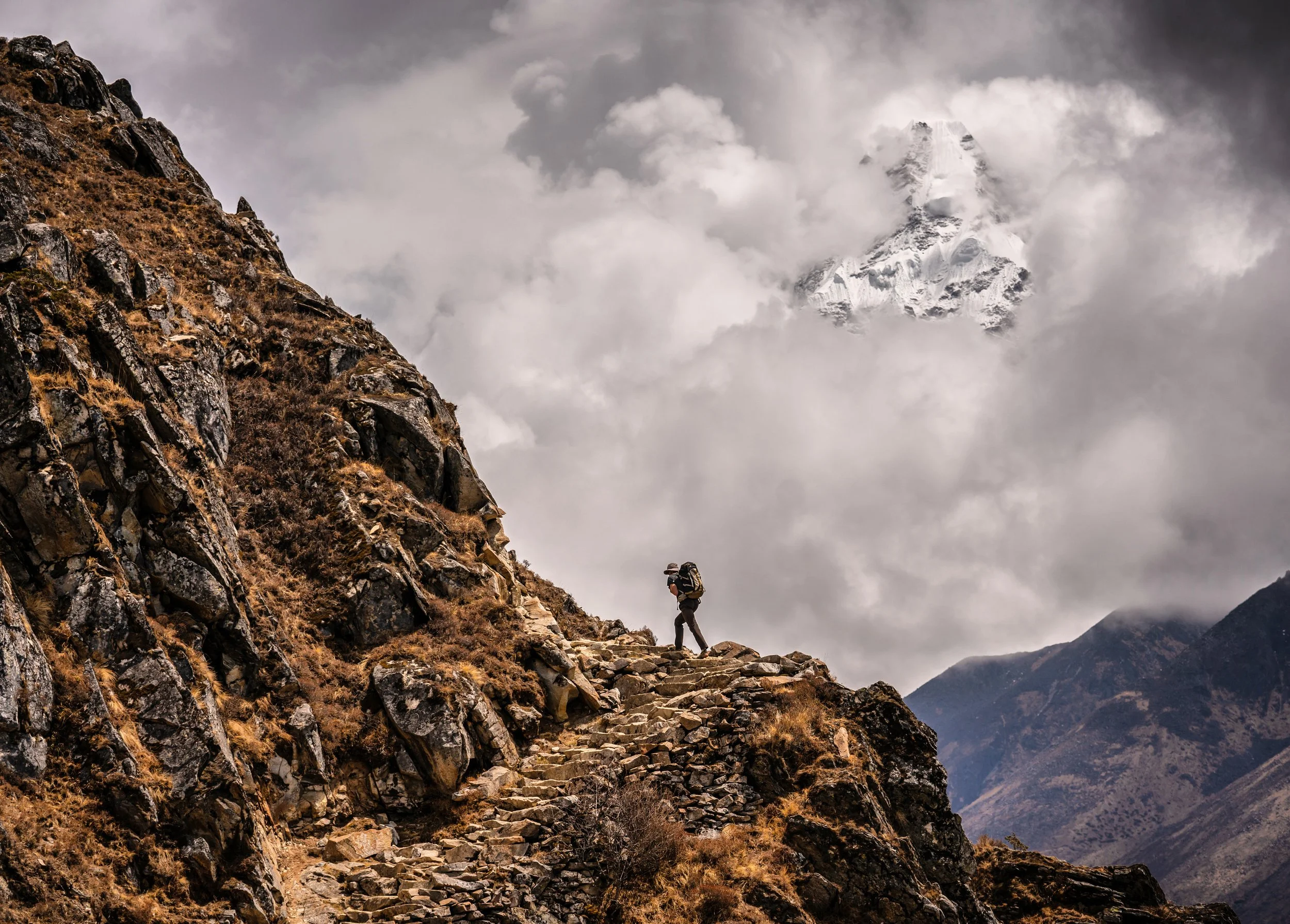
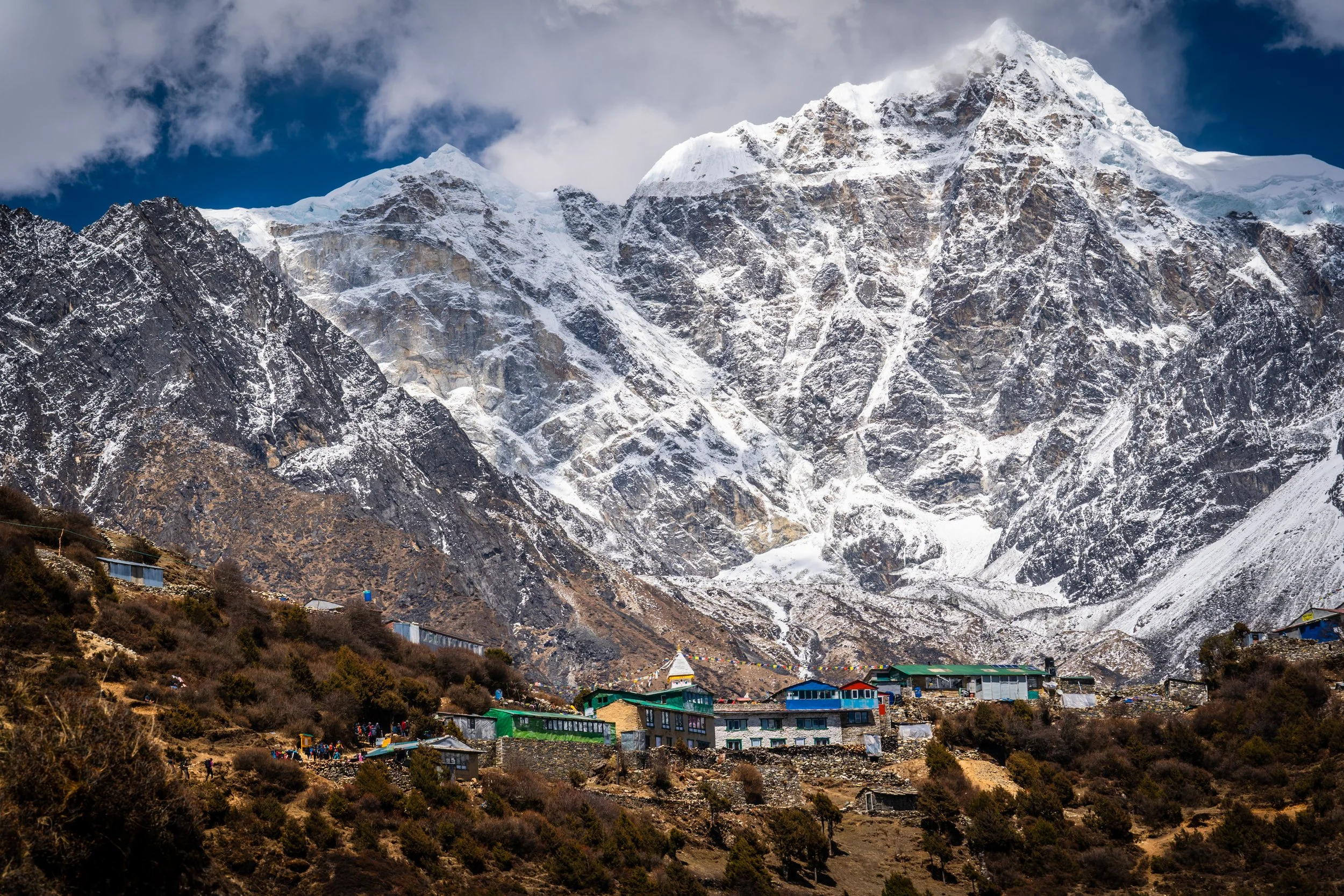
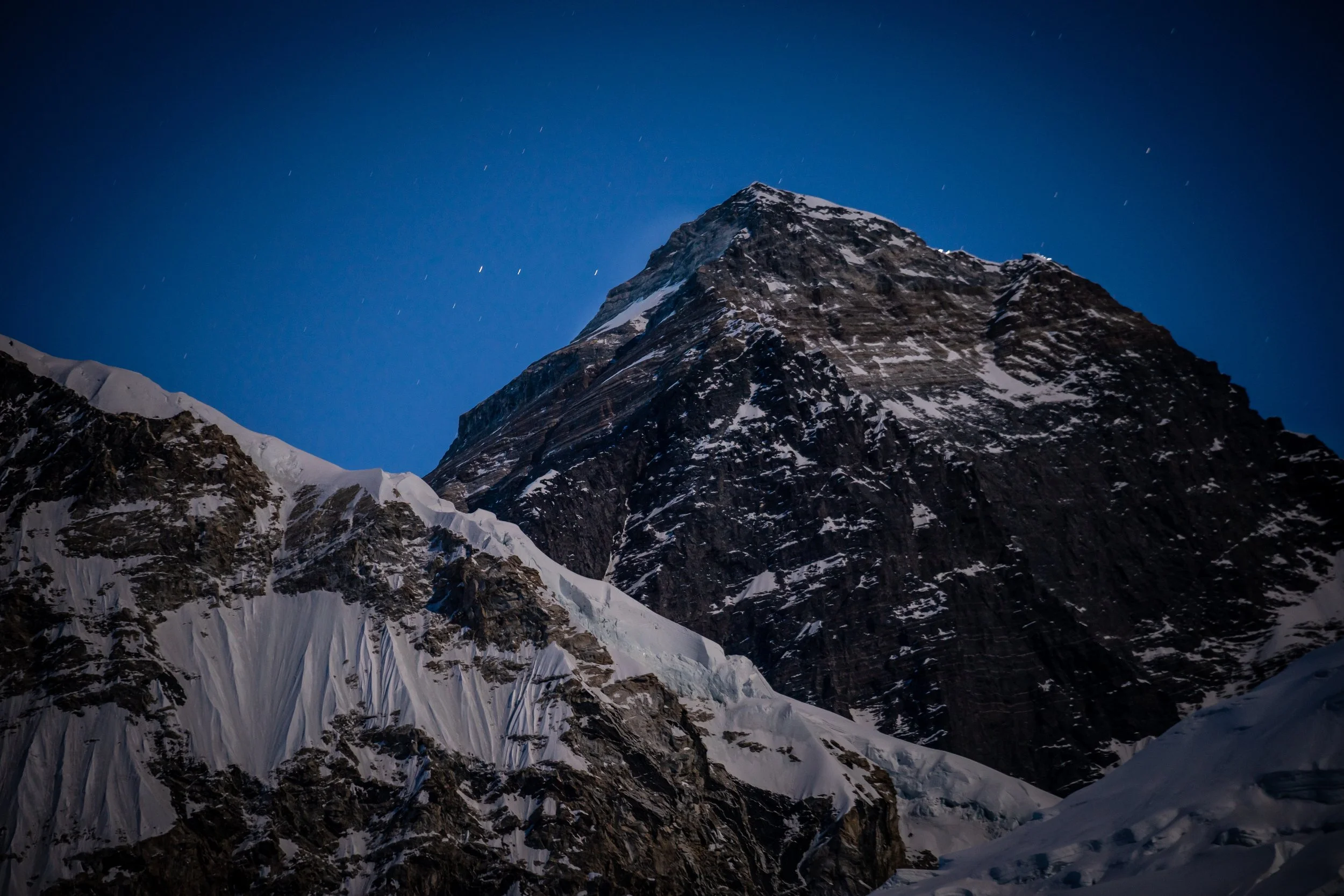
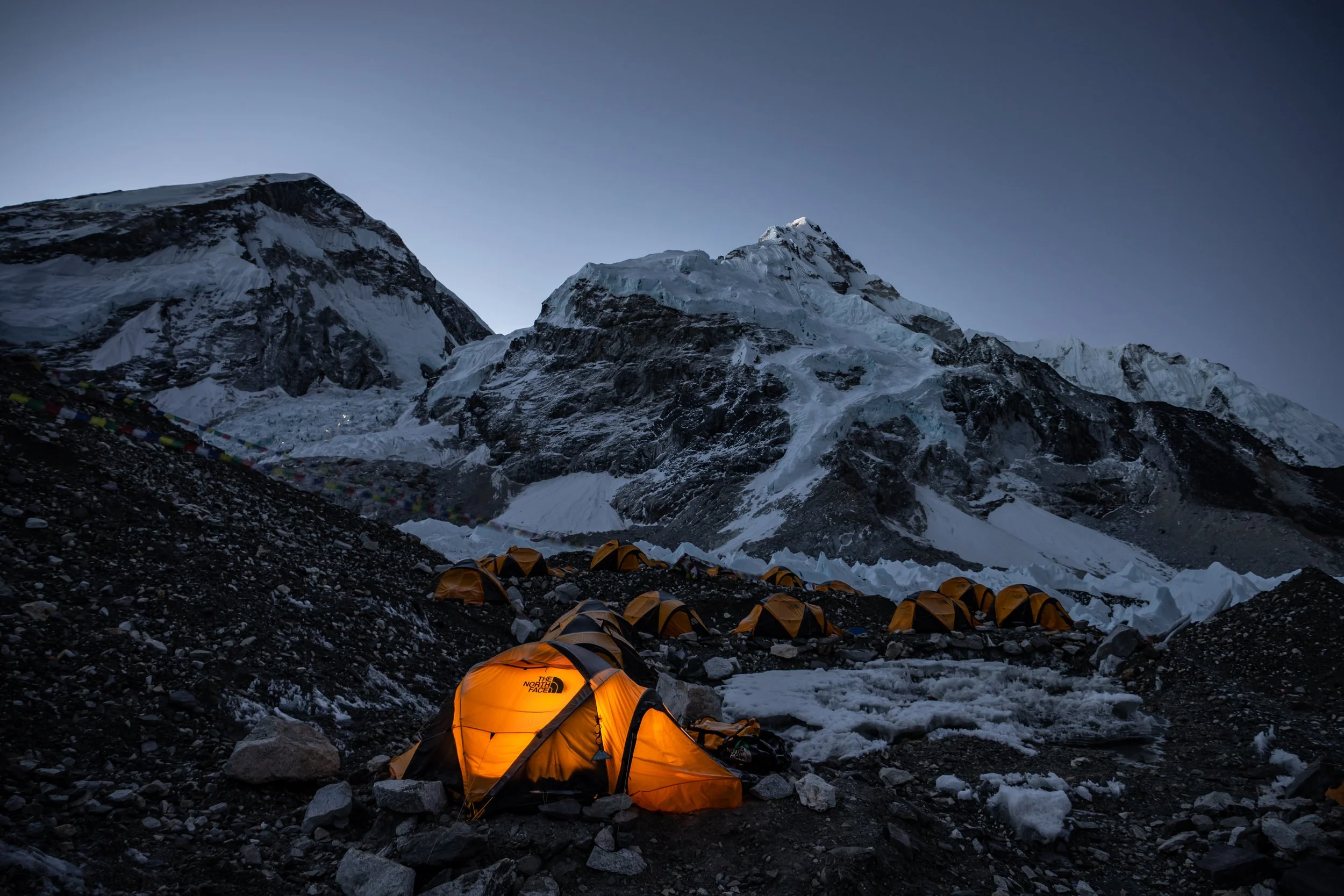
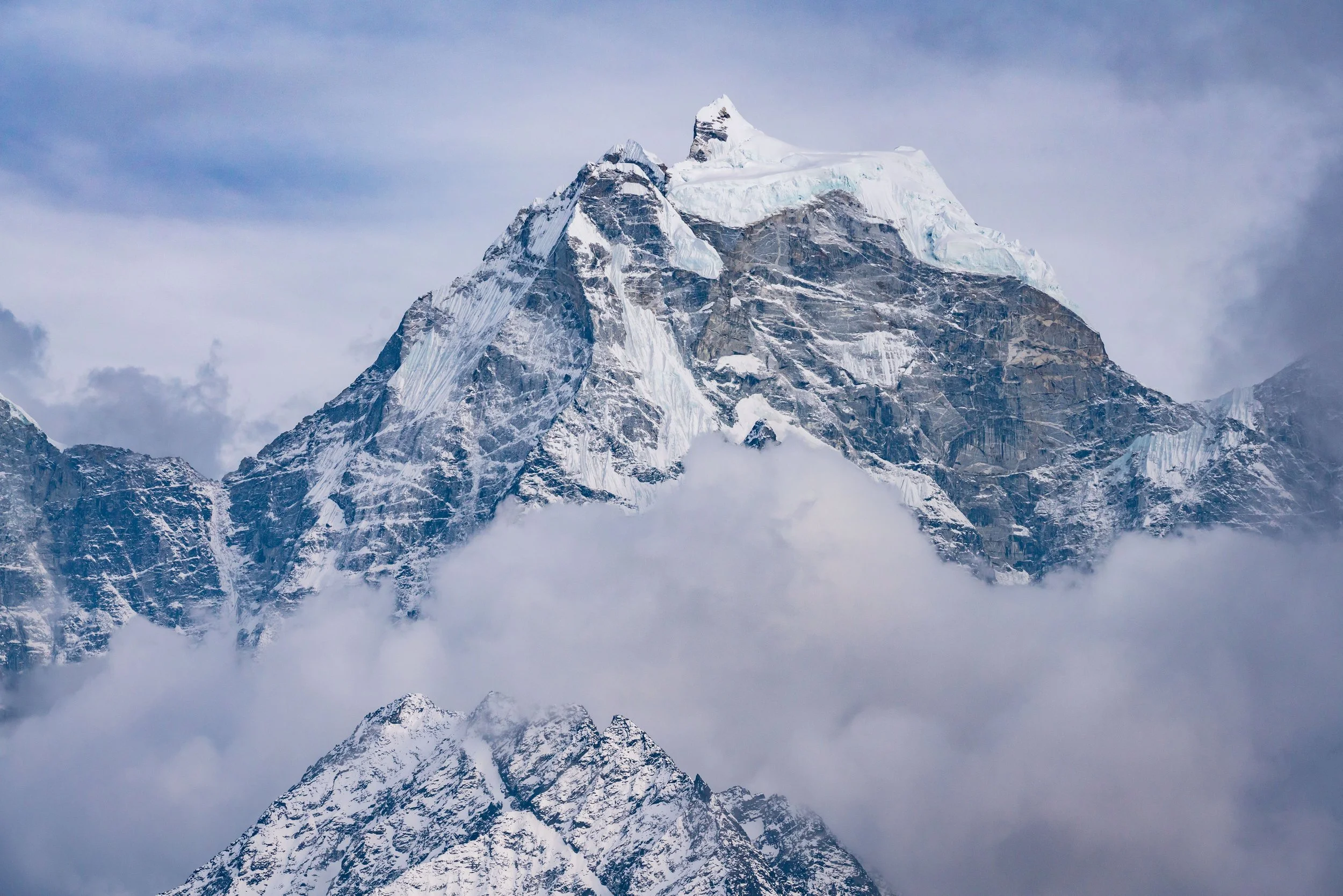
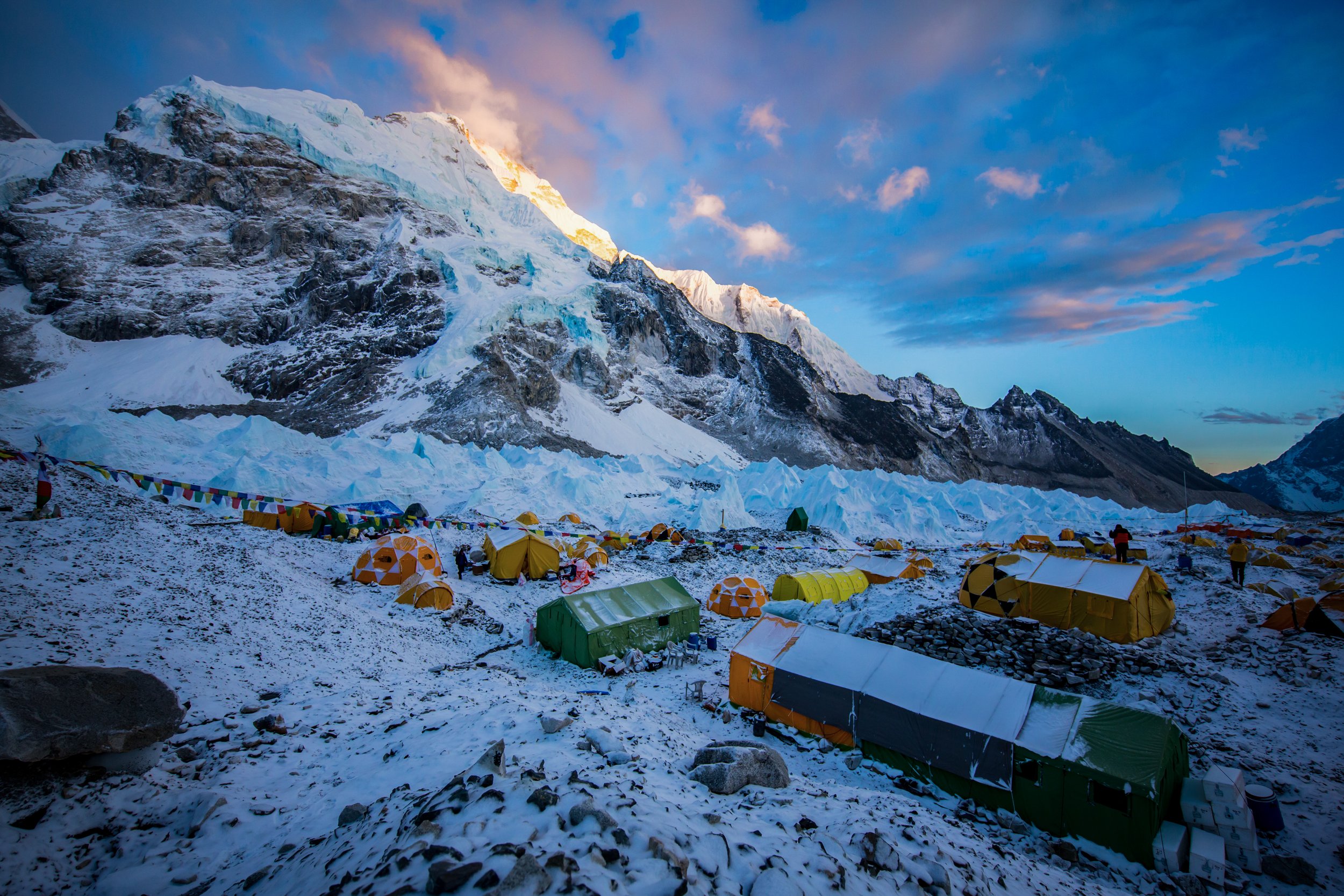
As part of the National Geographic and Rolex Perpetual Planet Everest Expedition, Britt traveled to Nepal to help document one of the most ambitious scientific missions ever attempted on the world's highest mountain, one that ultimately earned three Guinness World Records. Working alongside climbers and researchers in the thin air of the Himalaya, the team installed the highest weather station on land, extracted the highest altitude ice core sample ever taken, and discovered microplastics at 8,440 meters (27,690 ft), higher than they had ever been found on land. The data collected helped tell a story of not what's happening on Everest but how climate change is reshaping the planet’s highest ecosystems.